Mobile Development
How Mobile Apps Make Money
By Yahya Saeed · 5 min read · 125 views
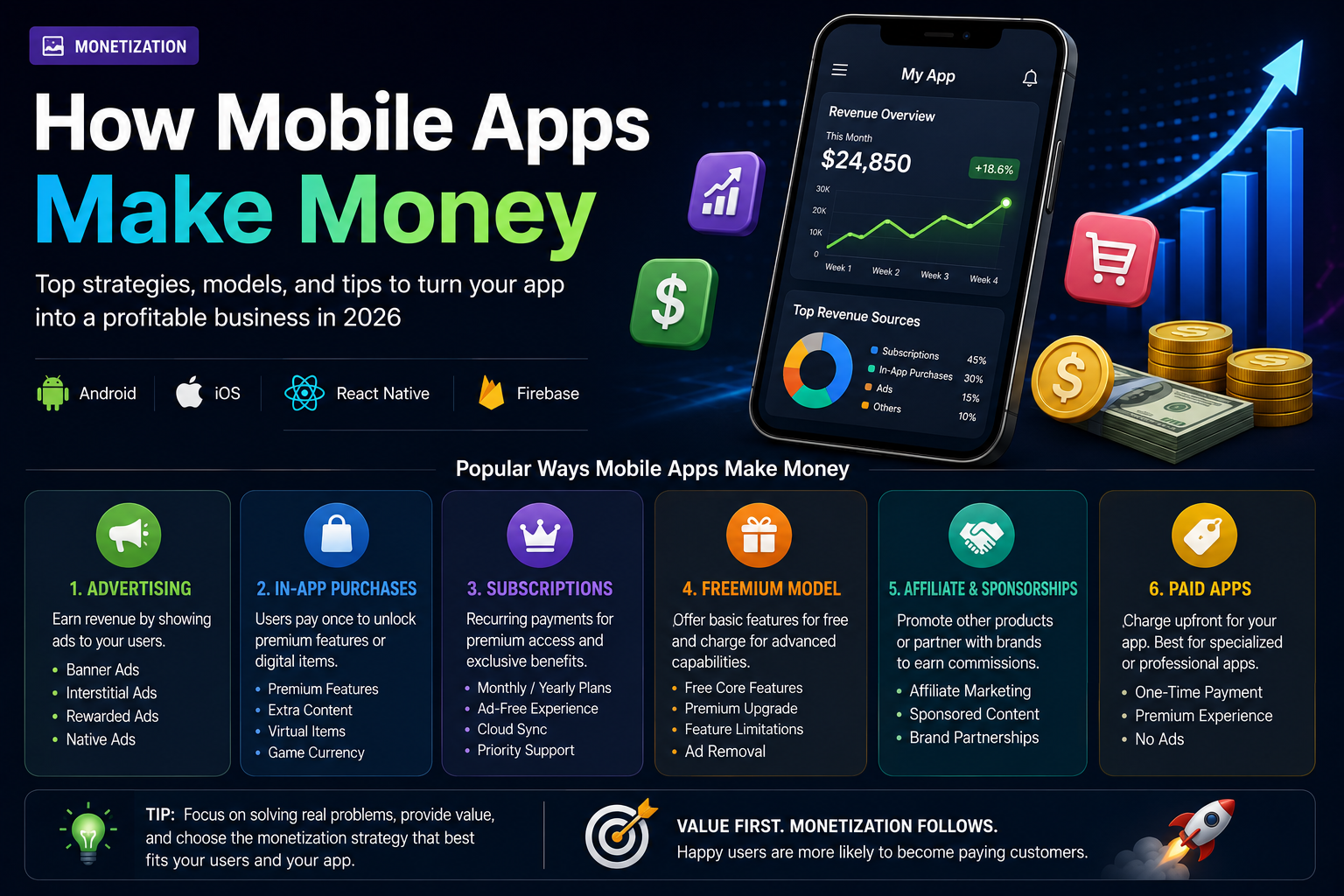
How Mobile Apps Make Money
Creating a mobile app is exciting.
But sooner or later, every developer asks the same question:
"How can my app actually make money?"
The good news is that there isn't just one answer.
Successful mobile applications generate revenue in many different ways, and the best monetization strategy depends on the type of app you're building and the audience you're serving.
Whether you're planning to launch a simple utility app, an expense tracker, a game, or a complete SaaS platform, understanding app monetization is essential.
Let's explore the most popular ways mobile apps make money in 2026.
Why Monetization Matters
Building an app requires time, effort, and money.
If your app generates revenue, you can:
Continue improving it
Pay for servers and infrastructure
Add new features
Hire developers or designers
Market your application
Turn your project into a sustainable business
Even small apps can become profitable with the right monetization strategy.
Advertising
Advertising is one of the easiest ways for free apps to earn money.
You allow advertising networks to display ads inside your application, and you earn revenue whenever users view or interact with those ads.
Popular advertising platforms include:
Google AdMob
Meta Audience Network
Unity Ads
AppLovin
Advertising works best for apps with a large number of active users.
Banner Ads
Banner ads are small advertisements displayed at the top or bottom of the screen.
Advantages:
Easy to implement
Non-intrusive
Suitable for utility apps
Disadvantages:
Lower revenue
Can reduce available screen space
Banner ads are ideal for apps with frequent daily usage.
Interstitial Ads
Interstitial ads appear between screens or during natural pauses in the user experience.
Examples include:
Between game levels
After completing a task
Before opening premium content
When used carefully, interstitial ads can generate much higher revenue than banner ads.
However, showing them too frequently may frustrate users.
Rewarded Ads
Rewarded ads are among the most user-friendly advertising formats.
Users voluntarily watch a short video in exchange for a reward.
Rewards might include:
Extra game lives
Coins
Premium features
Bonus content
Additional storage
Since users choose to watch the advertisement, engagement rates are usually much higher.
Native Ads
Native ads blend naturally into the application's design.
Instead of looking like traditional advertisements, they appear as part of the content.
Because they feel less intrusive, native ads often perform better than standard banner ads.
In-App Purchases
Many successful apps are free to download but offer optional purchases.
Examples include:
Premium themes
Digital products
Extra features
Additional storage
Game currency
Stickers
Templates
Users pay only for features they actually want.
This model works well for productivity apps, games, and creative tools.
Subscription Model
Subscriptions have become one of the most profitable business models.
Instead of charging users once, developers earn recurring monthly or yearly payments.
Common subscription benefits include:
Unlimited access
Cloud synchronization
AI-powered features
Premium tools
Ad-free experience
Priority support
This model creates predictable and sustainable income.
Freemium Model
The freemium model combines free access with premium upgrades.
Users can enjoy the basic version at no cost while paying to unlock advanced functionality.
Examples include:
Removing advertisements
Exporting data
Advanced analytics
Additional customization
Team collaboration
Many successful apps use this approach because it lowers the barrier to entry.
Paid Apps
Some developers charge users before they download the application.
While this approach is less common today, it still works well for apps that provide significant value.
Examples include:
Professional tools
Educational apps
Specialized business software
Users expect a polished experience when paying upfront.
Affiliate Marketing
Affiliate marketing allows developers to earn commissions by recommending products or services.
For example, a budgeting app might recommend:
Credit card services
Financial tools
Investment platforms
Whenever a user signs up through your referral link, you earn a commission.
The recommendations should always be relevant and useful to maintain user trust.
Sponsorships and Partnerships
As your app grows, companies may be interested in promoting their products to your audience.
Partnerships can include:
Sponsored content
Brand collaborations
Featured products
Promotional campaigns
This approach works particularly well for apps with engaged communities.
Selling Physical Products
Some applications generate revenue by selling real-world products.
Examples include:
Merchandise
Books
Electronics
Clothing
Medical products
The app becomes a convenient platform for reaching customers and processing orders.
SaaS Integration
Many modern businesses combine mobile apps with Software as a Service (SaaS).
For example:
Users create an account.
Their data syncs across devices.
Premium features require a subscription.
This approach combines the convenience of mobile with the scalability of cloud software.
Choosing the Right Strategy
Different apps perform better with different monetization methods.
For example:
Utility apps:
Banner ads
Premium upgrade
Subscriptions
Games:
Rewarded ads
In-app purchases
Battle passes
Productivity apps:
Freemium
Subscriptions
Cloud storage upgrades
Business applications:
SaaS subscriptions
Team plans
Enterprise licensing
Choosing the right model depends on the value your app provides.
Common Mistakes
Many developers focus on monetization before providing value.
Avoid these mistakes:
Showing too many advertisements
Locking essential features behind paywalls
Ignoring user experience
Copying competitors without research
Choosing the wrong pricing model
Users are far more willing to pay when they genuinely benefit from your application.
Tips for Increasing Revenue
If you want your app to generate more income:
Focus on solving real problems.
Build a smooth user experience.
Keep your app fast and reliable.
Listen to user feedback.
Release regular updates.
Experiment with different monetization strategies.
Avoid overwhelming users with ads.
A happy user is much more likely to become a paying customer.
Which Monetization Strategy Is Best?
There is no universal answer.
However, many successful apps combine multiple strategies.
For example:
Free download
Banner ads for free users
Premium subscription to remove ads
Optional in-app purchases
Cloud synchronization for subscribers
This hybrid approach provides flexibility while maximizing revenue potential.
Final Thoughts
Making money from mobile apps isn't about finding a secret formula.it's about creating something people genuinely find useful.
Whether your app earns through advertising, subscriptions, in-app purchases, affiliate partnerships, or a combination of methods, the foundation of every successful business remains the same: deliver value first.
Focus on solving real problems, building an excellent user experience, and continuously improving your application.
When users enjoy your app and trust your product, monetization becomes a natural outcome rather than an obstacle.
In 2026, the opportunities for independent developers have never been greater. Build something valuable, choose the monetization strategy that fits your audience, and keep learning from your users.
The best mobile apps don't just generate downloads.they generate lasting value for both users and developers.
Keep reading
Related Posts
Mobile Development
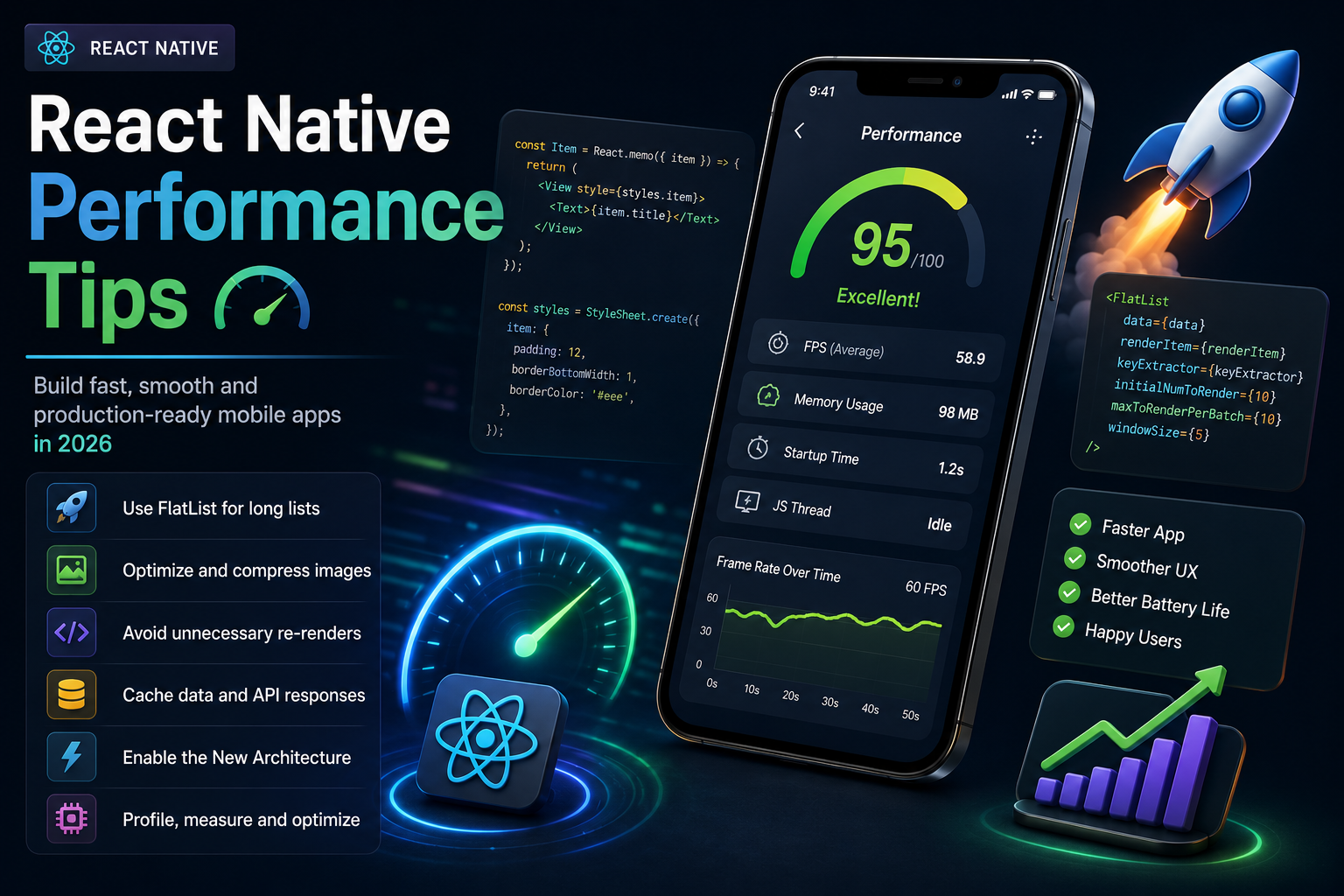
React Native Performance Tips
A fast and responsive app keeps users engaged, while a slow one drives them away. Learn the best React Native performance optimization techniques every developer should know to build smooth, efficient, and production-ready mobile applications in 2026.
5 min read · 112 views
Mobile Development
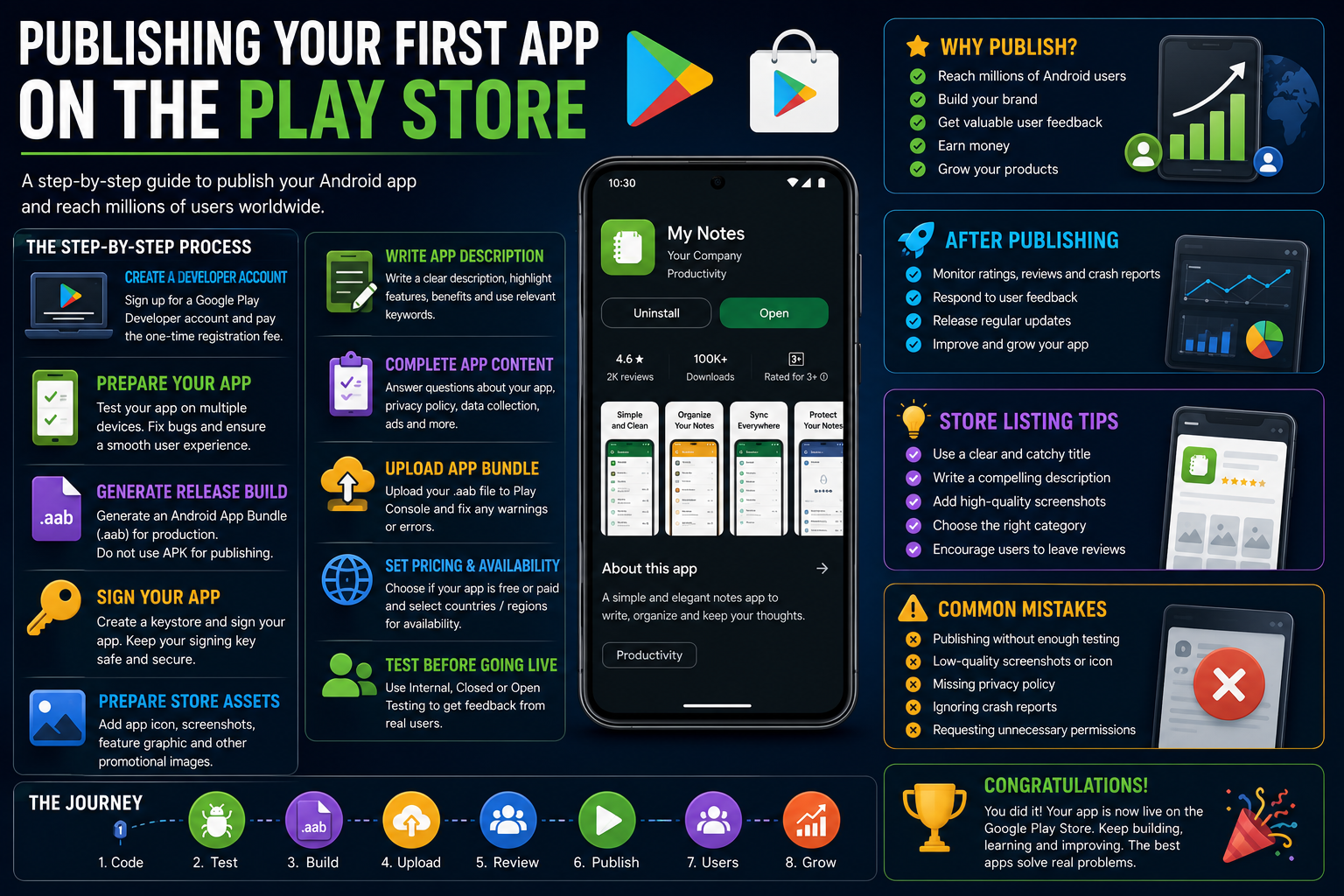
Publishing Your First App on the Play Store
Publishing your first Android app is an exciting milestone for every developer. From preparing your app and generating an Android App Bundle to creating your Play Console listing and passing Google's review process, this guide walks you through every step of publishing your first app on the Google Play Store in 2026.
4 min read · 92 views
Mobile Development
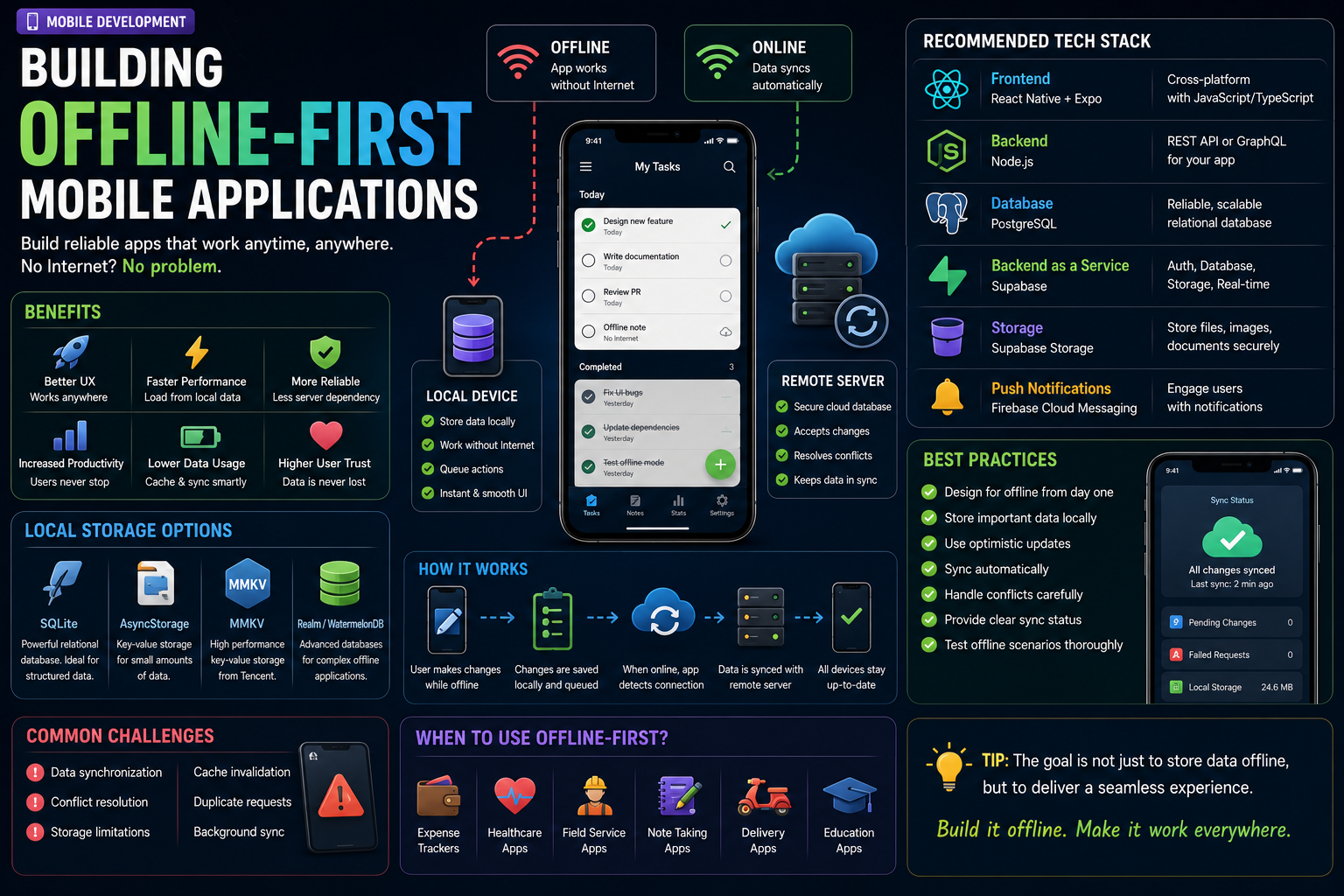
Building Offline-First Mobile Applications
Internet connectivity isn't always reliable, but your app should be. Offline-first mobile applications continue working even without an internet connection, providing a seamless user experience. Learn how to build reliable offline-first apps using modern technologies in 2026.
4 min read · 89 views
Trending
Popular Posts
Productivity Tools That Save Developers Hours in 2026
680 views
The Most Valuable Skills to Learn in the AI Era (2026 and Beyond)
330 views
Vibe Coding vs Learning to Code: Which Path Will Take You Further?
277 views
Next.js 16 Features Every Developer Should Know in 2026
191 views
The Best Folder Structure for Next.js Projects in 2026
151 views
Comments
No approved comments yet.