Programming
Vibe Coding vs Learning to Code: Which Path Will Take You Further?
By Yahya Saeed · 4 min read · 277 views
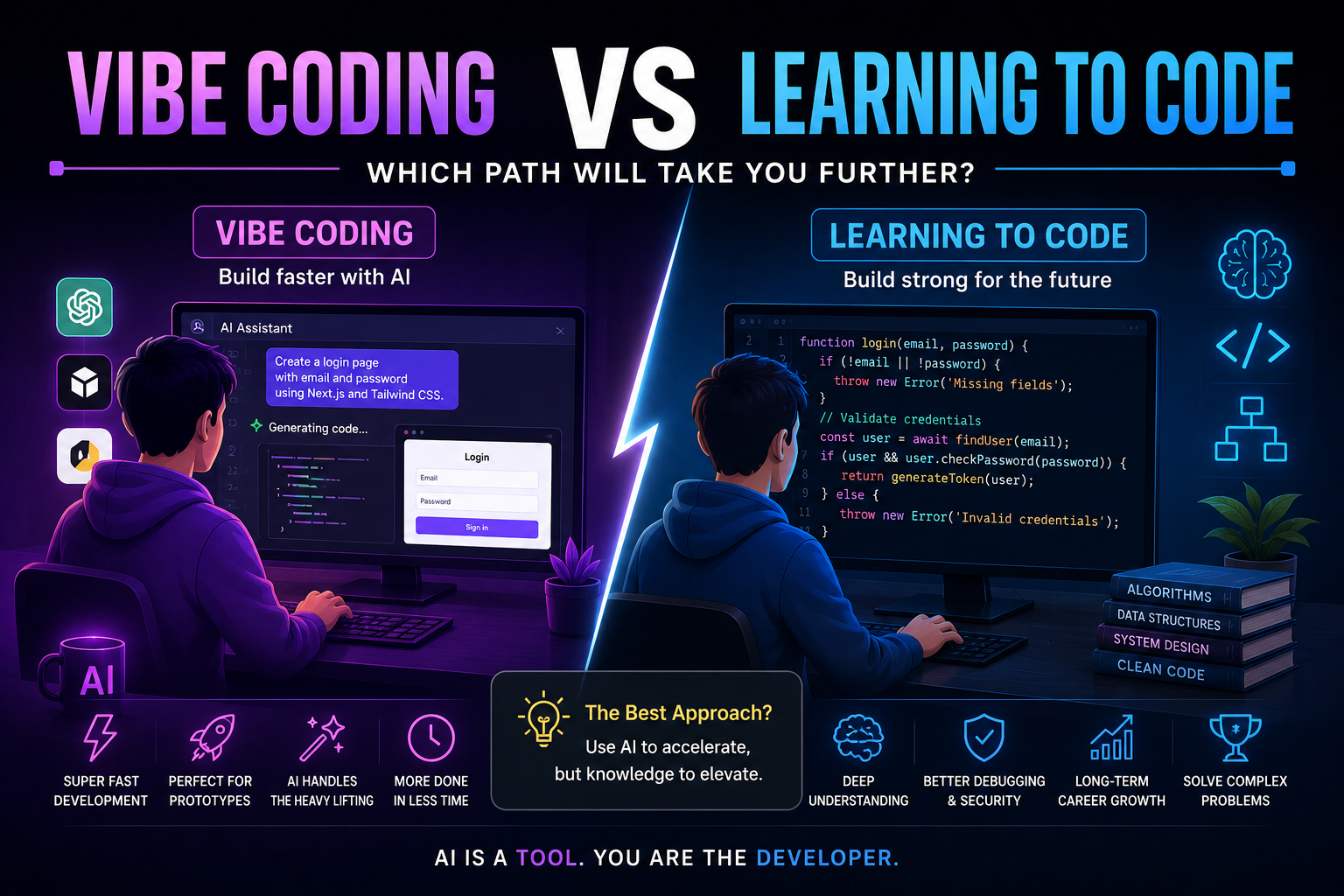
Vibe Coding vs Learning to Code: Which Path Will Take You Further?
The software industry is changing faster than ever. With AI tools capable of generating entire applications from simple prompts, a new approach to development has emerged: vibe coding.
Instead of spending months learning programming fundamentals, developers can describe what they want, and AI generates much of the code automatically. This has led many people to ask an important question:
Should you learn to code, or should you simply learn how to use AI?
The answer is more nuanced than most people think.
What Is Vibe Coding?
Vibe coding is the practice of building software primarily through AI assistance. Instead of manually writing every function, component, or database query, developers rely on tools like ChatGPT, GitHub Copilot, Cursor, Claude, and other AI-powered assistants.
A typical vibe coding workflow looks like this:
Describe a feature
Let AI generate the code
Test the result
Adjust the prompt
Repeat
This approach allows people to build applications surprisingly quickly, even with limited programming experience.
For startups, prototypes, personal projects, and MVPs, vibe coding can feel almost magical.
Why Vibe Coding Is So Popular
The appeal is obvious.
Tasks that once required days can now be completed in hours.
Need a login page?
Ask AI.
Need a dashboard?
Ask AI.
Need database models, APIs, and forms?
Ask AI.
Developers can move faster than ever before.
Benefits of vibe coding include:
Rapid prototyping
Faster development cycles
Reduced boilerplate code
Easier experimentation
Lower barrier to entry
For many people, AI has made software development more accessible than ever.
The Hidden Problem With Vibe Coding
While AI can generate code, it doesn't automatically generate understanding.
When an application breaks, many vibe coders struggle to identify the cause.
When performance issues appear, they often don't know where to optimize.
When security vulnerabilities emerge, they may not even recognize the risk.
AI can write code, but it cannot replace deep technical understanding.
This becomes especially important as projects grow larger and more complex.
A simple website may work perfectly through prompts alone.
A large SaaS platform serving thousands of users is a completely different challenge.
The Value of Learning to Code
Learning to code is about more than memorizing syntax.
It teaches:
Problem-solving
Logical thinking
System design
Debugging skills
Performance optimization
Security awareness
When you understand programming fundamentals, you gain the ability to evaluate, modify, and improve AI-generated code.
You become the architect rather than merely the operator.
This distinction becomes increasingly important as projects scale.
Why AI Doesn't Replace Programming Knowledge
Many people compare AI coding tools to calculators.
Calculators didn't eliminate mathematics.
They allowed mathematicians to focus on higher-level problems.
Similarly, AI doesn't eliminate the need for developers.
It removes repetitive work so developers can focus on architecture, business logic, user experience, and innovation.
The best developers are not those who type the fastest.
They are the ones who understand systems deeply enough to make good decisions.
AI cannot fully replace that skill.
Vibe Coding vs Learning to Code
Let's compare both approaches.
Vibe Coding
Advantages:
Extremely fast
Great for prototypes
Accessible to beginners
Reduces repetitive tasks
Accelerates development
Disadvantages:
Shallow understanding
Difficult debugging
Dependency on AI tools
Security risks if code isn't reviewed
Harder to build complex systems
Learning to Code
Advantages:
Deep technical understanding
Strong problem-solving skills
Better debugging ability
Greater independence
Long-term career growth
Disadvantages:
Takes time
Requires consistent practice
Can feel overwhelming initially
The Best Approach: Combine Both
The smartest developers are not choosing one side.
They are combining both.
They learn programming fundamentals while using AI to boost productivity.
AI handles repetitive tasks.
Developers handle critical thinking.
AI writes boilerplate.
Developers design systems.
AI accelerates execution.
Developers provide direction.
This combination is incredibly powerful.
The Future of Software Development
The future does not belong to developers who reject AI.
It also does not belong to people who rely entirely on AI without understanding what it generates.
The future belongs to developers who can do both.
They understand code deeply enough to solve difficult problems, yet use AI intelligently to work faster and more efficiently.
These developers will build better products, learn faster, and remain valuable regardless of how technology evolves.
Final Thoughts
Vibe coding is not the end of programming.
It is the evolution of programming.
AI has changed how we build software, but it has not changed the importance of understanding how software works.
If you're a beginner, learn the fundamentals.
If you're already a developer, embrace AI.
The strongest developers of the future won't choose between vibe coding and learning to code.
They will master both.
Keep reading
Related Posts
Developer Tools
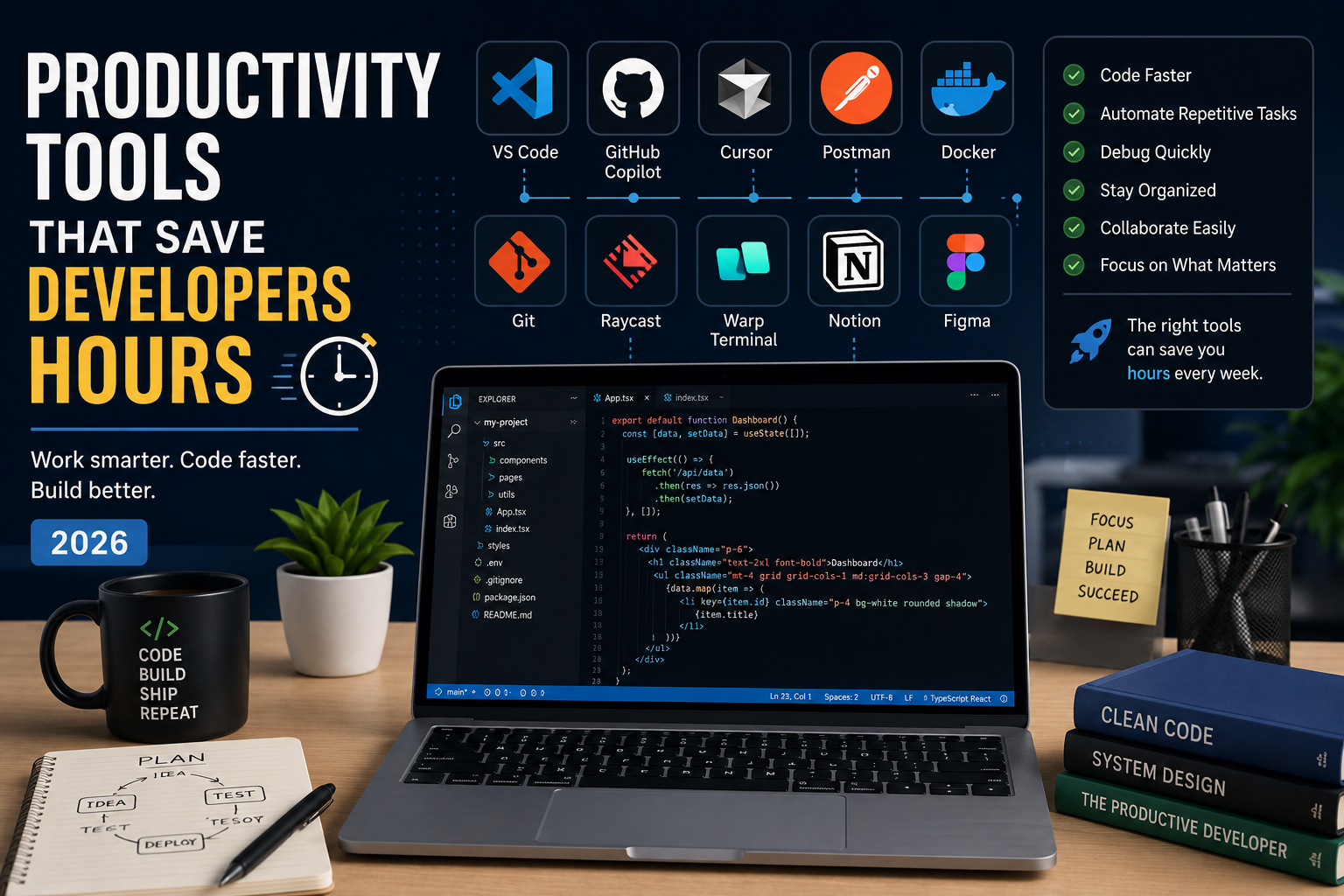
Productivity Tools That Save Developers Hours in 2026
The best developers aren't just fast—they use the right tools. From AI coding assistants to terminal upgrades and API testing platforms, these productivity tools can save developers hours every week and help them focus on building great software instead of repetitive tasks.
4 min read · 680 views
Career & Technology
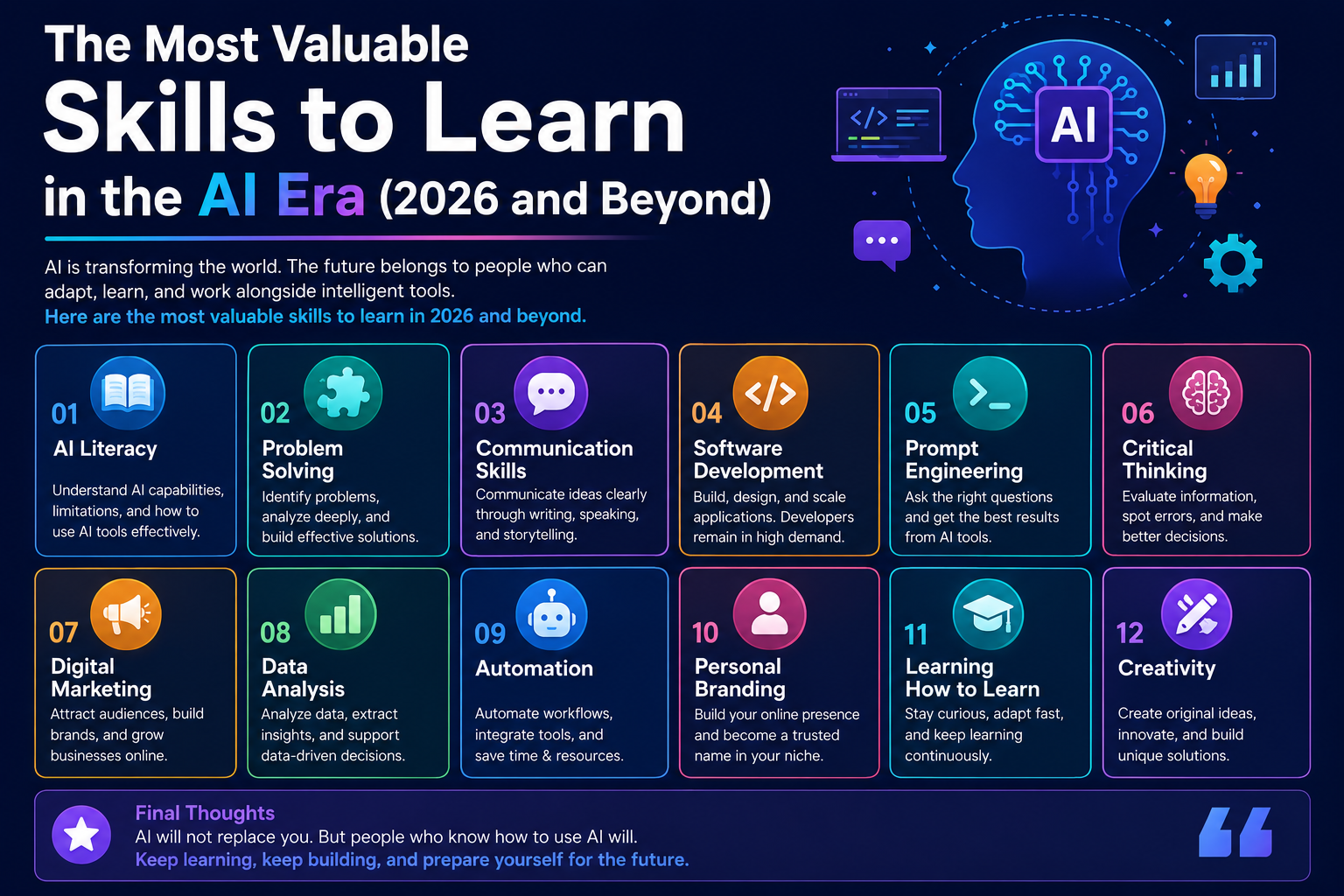
The Most Valuable Skills to Learn in the AI Era (2026 and Beyond)
Artificial Intelligence is changing how we work, learn, and build products. Some skills are becoming less valuable, while others are becoming more important than ever. If you want to stay relevant and thrive in 2026 and beyond, these are the skills you should focus on developing.
4 min read · 330 views
Next.js
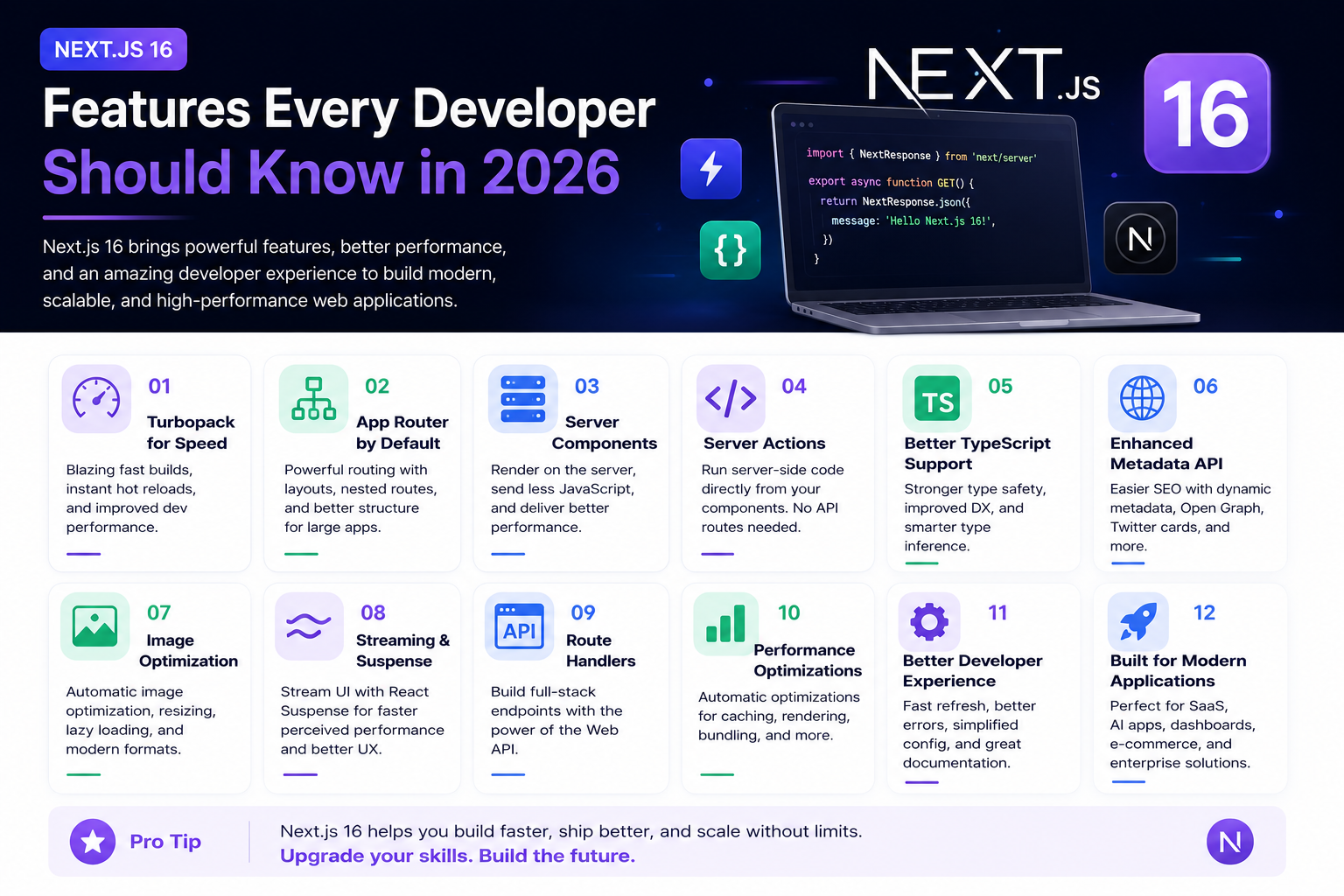
Next.js 16 Features Every Developer Should Know in 2026
Next.js 16 continues to push modern web development forward with improved performance, better developer experience, enhanced routing, and powerful server-side capabilities. Whether you're building a blog, SaaS platform, portfolio, or enterprise application, these are the most important Next.js 16 features every developer should understand.
4 min read · 191 views
Trending
Popular Posts
Productivity Tools That Save Developers Hours in 2026
680 views
The Most Valuable Skills to Learn in the AI Era (2026 and Beyond)
330 views
Next.js 16 Features Every Developer Should Know in 2026
191 views
The Best Folder Structure for Next.js Projects in 2026
151 views
How to Build a Blog with Next.js 16: Complete Beginner Guide
140 views
Comments
No approved comments yet.