Web Development
Backend Skills Every Frontend Developer Should Learn in 2026
By Yahya Saeed · 4 min read · 87 views
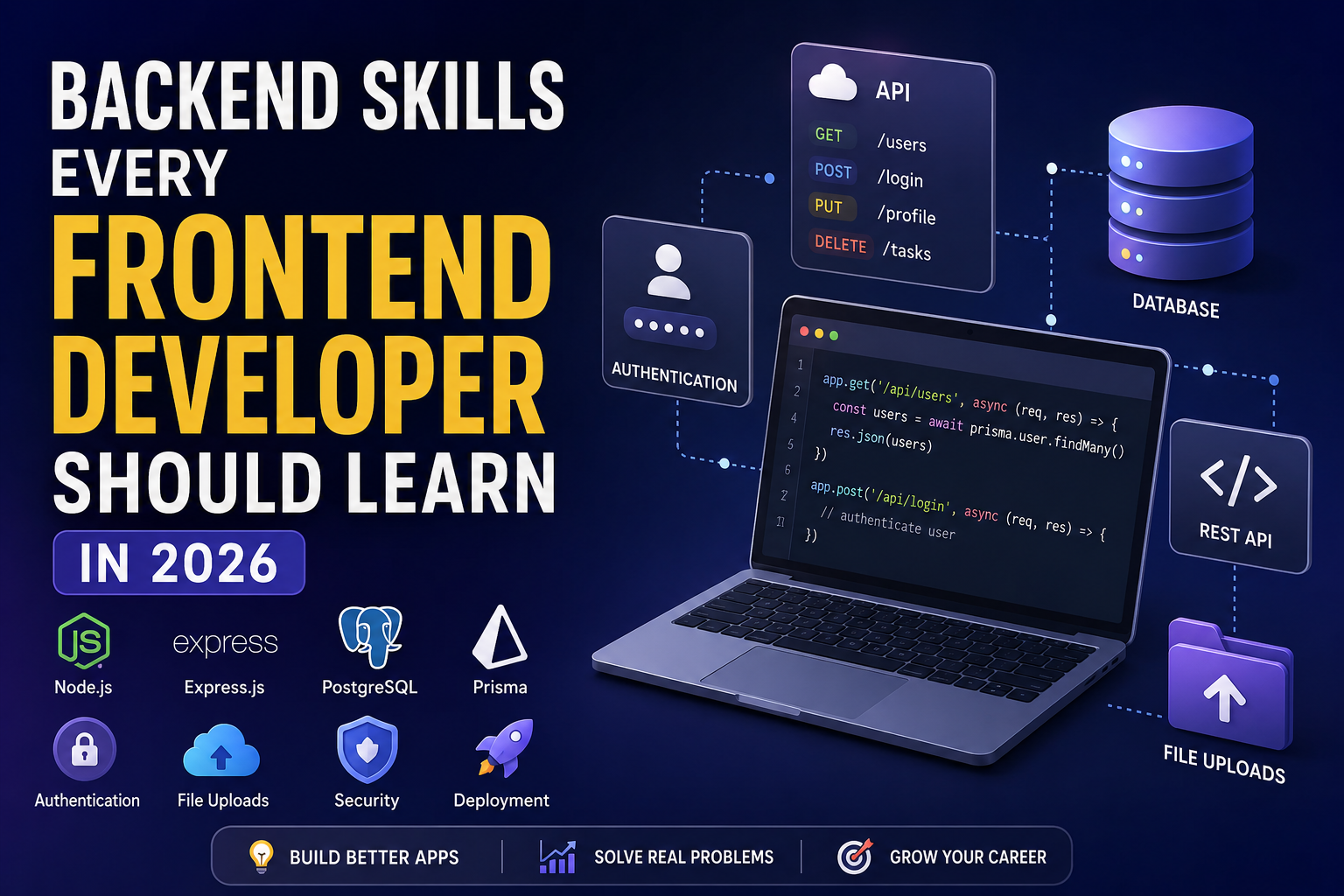
Backend Skills Every Frontend Developer Should Learn in 2026
The days when frontend developers only worked with HTML, CSS, and JavaScript are long gone.
Today's applications rely on APIs, databases, authentication, cloud services, server-side rendering, and real-time communication. Whether you're building a SaaS product, freelancing, or applying for developer jobs, knowing how the backend works makes you significantly more valuable.
The good news?
You don't need to become a backend expert overnight. Learning a handful of essential backend skills can transform you from someone who builds interfaces into someone who builds complete products.
Let's explore the most valuable backend skills every frontend developer should learn.
1. Understand How the Web Actually Works
Before writing backend code, understand what happens when someone visits your website.
Learn concepts like:
HTTP and HTTPS
Request and response lifecycle
Status codes
Headers
Cookies
Sessions
Caching
DNS
REST principles
When you understand what's happening behind the scenes, debugging becomes much easier.
2. Learn Node.js
If you're already comfortable with JavaScript, Node.js is the natural next step.
Instead of running JavaScript inside the browser, Node.js allows you to run JavaScript on the server.
With Node.js you can:
Build APIs
Handle authentication
Process files
Send emails
Connect databases
Schedule background jobs
For frontend developers, it's one of the easiest transitions into backend development.
3. Build REST APIs
APIs connect your frontend with your backend.
Every modern application depends on them.
Learn how to create endpoints such as:
GET /users
POST /login
PUT /profile
DELETE /tasks
Understand:
Route handling
Request validation
Error handling
Response formatting
API versioning
Once you know APIs, you'll understand exactly what your frontend is communicating with.
4. Learn Express.js (or a Modern Backend Framework)
Express remains one of the best frameworks for learning backend development.
You'll learn how to:
Create routes
Build middleware
Handle requests
Manage errors
Organize backend projects
Later, you can explore frameworks like NestJS, Fastify, or Hono, but Express provides an excellent foundation.
5. Learn SQL and Databases
Every application stores data.
Instead of only consuming APIs, learn how data is stored and retrieved.
Start with PostgreSQL because it's widely used in startups and production systems.
Learn:
Tables
Relationships
Primary keys
Foreign keys
Indexes
Joins
Filtering
Aggregation
Pagination
Understanding databases helps you write faster and more scalable applications.
6. Use an ORM Like Prisma
Writing raw SQL is useful, but ORMs make development much faster.
Prisma has become one of the most popular choices in modern JavaScript development.
It allows you to:
Define your database schema
Generate type-safe queries
Manage migrations
Build relationships
Improve developer productivity
If you're using Next.js, Prisma is an excellent companion.
7. Authentication and Authorization
One of the most important backend skills is user authentication.
Learn how applications handle:
User registration
Login
Password hashing
Sessions
JWT tokens
OAuth
Protected routes
User roles
Permissions
Authentication isn't just about logging in—it's about securing your entire application.
8. Learn File Uploads
Many real-world applications allow users to upload files.
Examples include:
Profile pictures
Documents
PDFs
Videos
Product images
Understand:
Multipart forms
File validation
Image optimization
Cloud storage
Upload security
It's a surprisingly common requirement in freelance and SaaS projects.
9. Environment Variables
Never hardcode secrets inside your project.
Learn how to manage:
Database URLs
API keys
Secret tokens
Email credentials
Third-party services
Environment variables make your applications secure and production-ready.
10. Error Handling and Logging
Backend applications eventually fail.
Great developers know how to diagnose those failures.
Learn to:
Handle unexpected errors
Return meaningful responses
Log server events
Track exceptions
Avoid exposing sensitive information
Good logging saves hours of debugging.
11. Learn Background Jobs
Not everything should happen during an API request.
Examples include:
Sending emails
Processing payments
Generating reports
Creating invoices
Resizing images
Scheduled reminders
Background jobs improve application performance and user experience.
12. Learn Basic Security
Security should never be an afterthought.
Understand common vulnerabilities such as:
SQL Injection
Cross-Site Scripting (XSS)
Cross-Site Request Forgery (CSRF)
Rate limiting
Brute-force attacks
Input validation
Password hashing
Even basic knowledge dramatically improves your applications.
13. Deploy a Backend
A backend isn't useful if nobody can access it.
Learn how deployment works.
Popular options include:
Vercel (for Next.js APIs)
Railway
Render
Fly.io
DigitalOcean
VPS servers
Docker containers
Understanding deployment makes you a much more independent developer.
14. Learn Basic DevOps Concepts
You don't need to become a DevOps engineer.
But understanding concepts like these is incredibly valuable:
Docker
CI/CD
GitHub Actions
Environment management
Reverse proxies
SSL certificates
Domain configuration
These skills help you launch projects with confidence.
15. Build Complete Projects
Nothing teaches backend development better than building real applications.
Some great project ideas include:
Expense tracker
Notes app
Task manager
Blog CMS
Invoice generator
E-commerce backend
Management systems
CRM dashboard
Booking platform
SaaS application
Each project introduces new backend concepts naturally.
A Practical Learning Roadmap
Instead of trying to learn everything at once, follow this progression:
Node.js
Express.js
REST APIs
PostgreSQL
Prisma ORM
Authentication
File uploads
Deployment
Security
Docker and CI/CD
By the end of this journey, you'll be capable of building complete full-stack applications from scratch.
Why These Skills Matter
Companies increasingly prefer developers who understand both frontend and backend.
Even if your primary role remains frontend development, backend knowledge helps you:
Build complete products independently
Communicate better with backend teams
Debug issues faster
Earn higher salaries
Win more freelance projects
Launch your own SaaS products
Reduce reliance on other developers
The more of the application you understand, the more opportunities you'll create for yourself.
Final Thoughts
Learning backend development doesn't mean abandoning frontend development—it means expanding your capabilities.
You don't have to master distributed systems or become a database administrator. Start with the fundamentals: Node.js, APIs, databases, authentication, and deployment.
As you build projects, these skills become second nature, and you'll discover that creating complete applications is far more rewarding than building interfaces alone.
The developers who thrive in 2026 aren't limited by titles like "frontend" or "backend." They're problem solvers who understand the full journey from the database to the browser—and that's exactly the direction worth pursuing.
Keep reading
Related Posts
Next.js
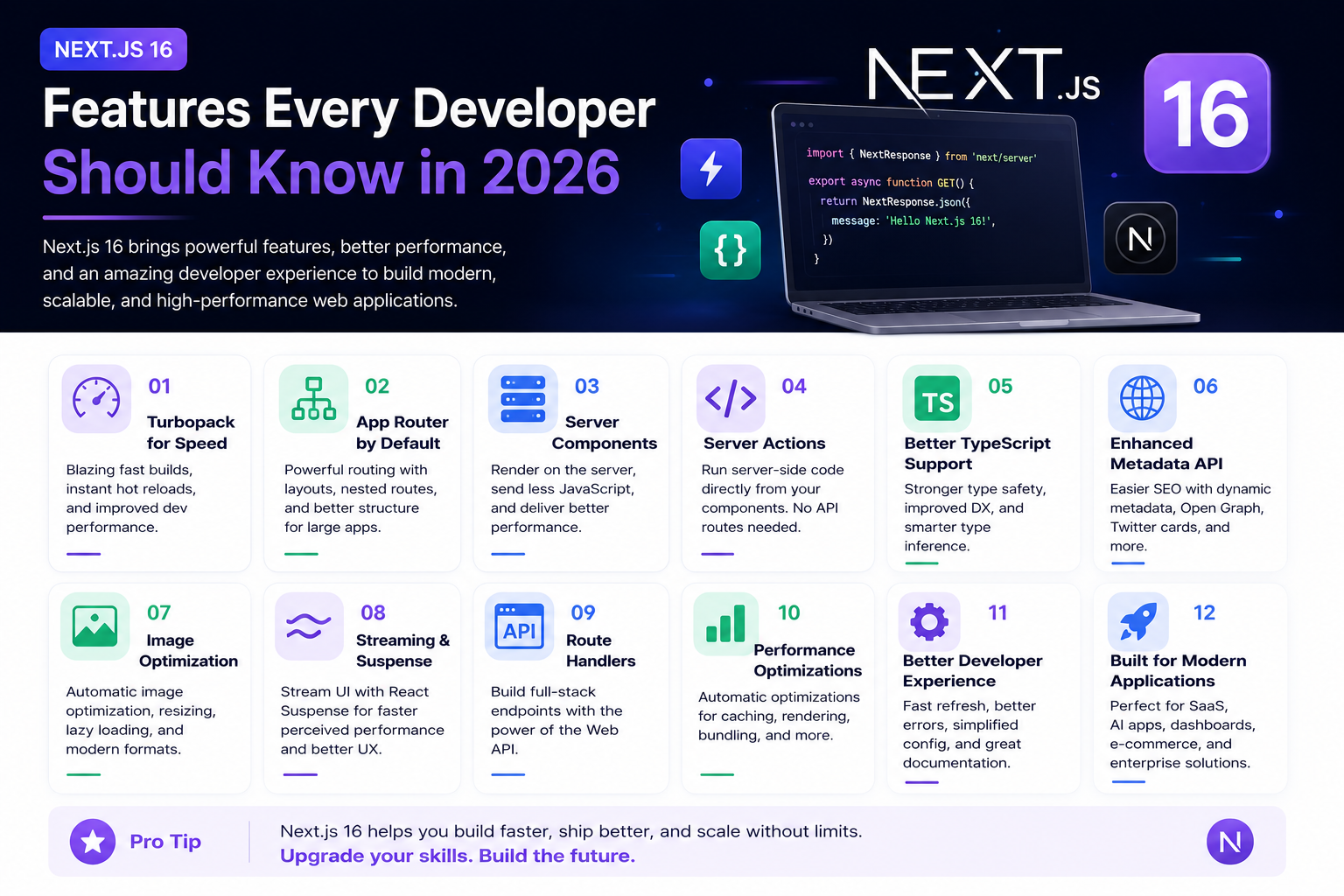
Next.js 16 Features Every Developer Should Know in 2026
Next.js 16 continues to push modern web development forward with improved performance, better developer experience, enhanced routing, and powerful server-side capabilities. Whether you're building a blog, SaaS platform, portfolio, or enterprise application, these are the most important Next.js 16 features every developer should understand.
4 min read · 192 views
Next.js
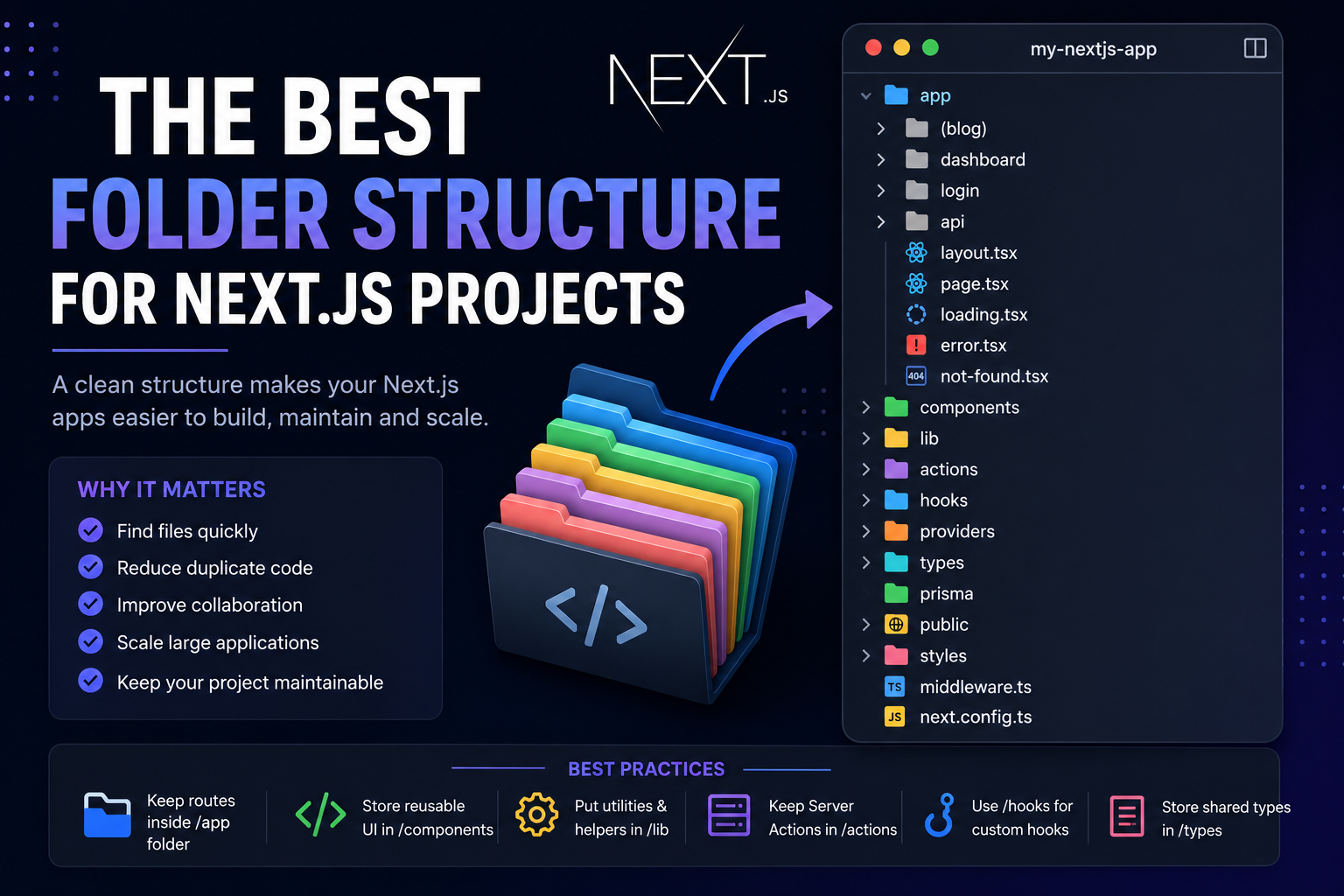
The Best Folder Structure for Next.js Projects in 2026
A clean folder structure makes every Next.js project easier to build, maintain, and scale. Discover the best folder organization for modern Next.js applications in 2026, whether you're building a blog, SaaS, dashboard, or enterprise application.
4 min read · 152 views
Database
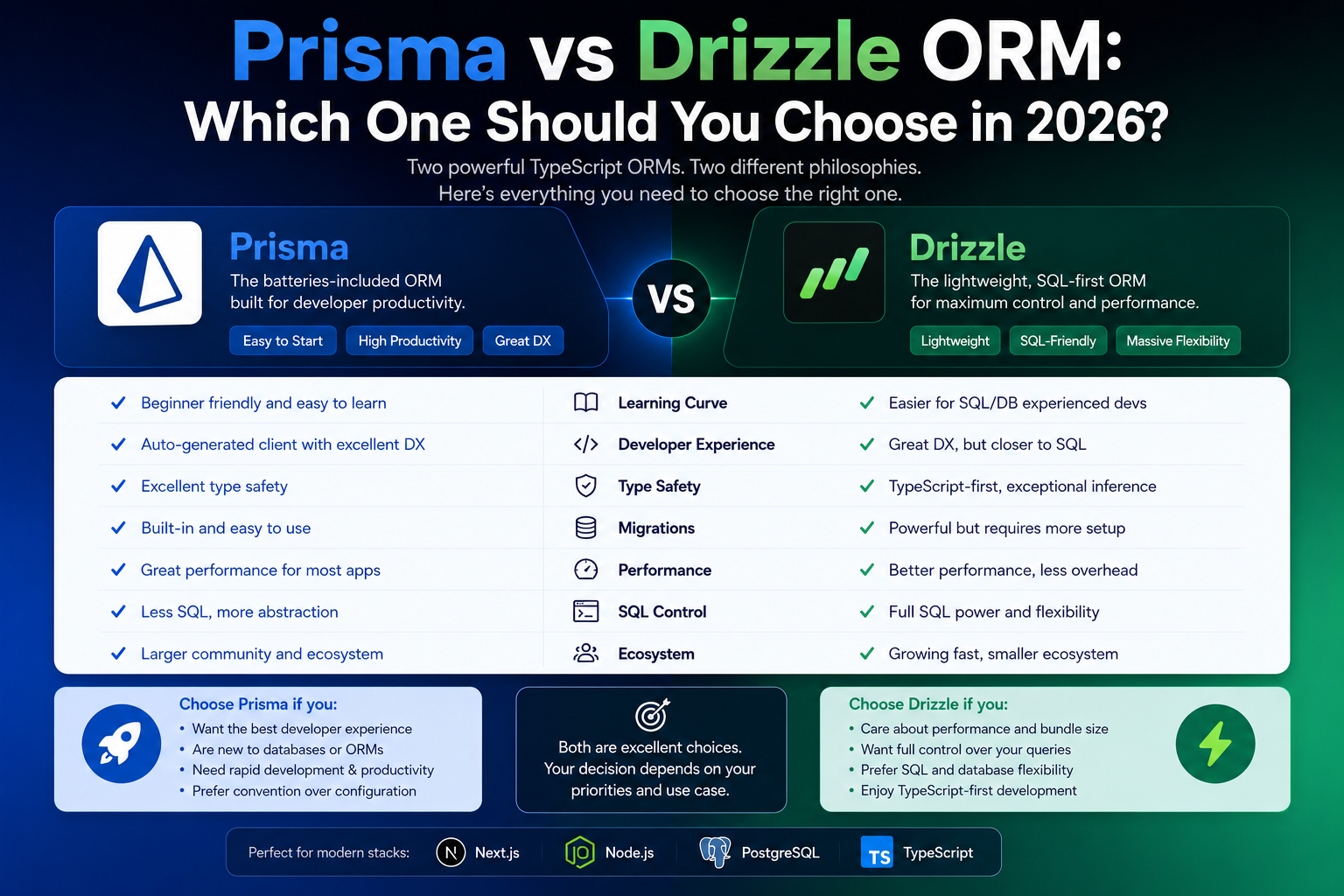
Prisma vs Drizzle ORM: Which One Should You Choose in 2026?
Prisma and Drizzle are currently two of the most popular ORMs in the TypeScript ecosystem. Both offer excellent developer experiences, strong TypeScript support, and modern tooling. But they take very different approaches. Here's a practical comparison to help you choose the right ORM for your next project.
4 min read · 131 views
Trending
Popular Posts
Productivity Tools That Save Developers Hours in 2026
681 views
The Most Valuable Skills to Learn in the AI Era (2026 and Beyond)
331 views
Vibe Coding vs Learning to Code: Which Path Will Take You Further?
277 views
Next.js 16 Features Every Developer Should Know in 2026
192 views
The Best Folder Structure for Next.js Projects in 2026
152 views
Comments
No approved comments yet.