Next.js
How to Build a Blog with Next.js 16: Complete Beginner Guide
By Yahya Saeed · 3 min read · 141 views

How to Build a Blog with Next.js 16
Creating a blog is one of the best ways to learn modern web development while building something that can attract visitors, showcase your expertise, and even generate income. With Next.js 16, developers can create fast, SEO-friendly, and scalable blogs using the latest features of the App Router and React Server Components.
A well-structured blog should contain a title, category, tags, excerpt, featured image, and rich content. These elements help organize articles, improve user experience, and make content easier for search engines to understand.
Why Next.js 16
Next.js 16 provides powerful tools for building content-driven websites. It offers excellent performance, built-in SEO capabilities, dynamic routing, server-side rendering, and static site generation. These features allow blogs to load quickly while remaining highly discoverable in search engines.
Essential Blog Features
A professional blog should include:
Clear and descriptive titles
Categories for organizing content
Tags for better discoverability
Short excerpts for previews
Rich article content
SEO metadata
Sitemap generation
Responsive design
These features help visitors navigate your website and find the content they are interested in.
Organizing Content
Categories are broad topics that group similar articles together. For example, a technology blog might have categories such as Next.js, React, JavaScript, and Web Development.
Tags provide more detailed classification. A post about building a blog might include tags such as "SEO", "App Router", "Prisma", and "Static Generation".
This structure makes content easier to browse and improves the overall user experience.
SEO Considerations
Search engine optimization plays a critical role in the success of any blog. Every article should have a unique title, descriptive meta description, clean URL slug, and meaningful headings.
Internal linking between related posts can help readers discover more content while improving search engine crawling. Generating a sitemap and robots.txt file also ensures that search engines can index your content effectively.
Performance Matters
Visitors expect websites to load instantly. Optimizing images, minimizing unnecessary JavaScript, and using static generation where possible can significantly improve performance.
Next.js includes built-in image optimization and intelligent rendering strategies that help deliver content quickly across different devices and network conditions.
Content Strategy
The success of a blog depends on consistently publishing useful content. Focus on solving real problems, answering common questions, and sharing practical tutorials. Articles that provide clear value are more likely to attract readers, gain backlinks, and rank well in search results.
Instead of writing about everything, choose a niche and build authority around it. Consistency and quality are more important than publishing large amounts of content.
Conclusion
Next.js 16 provides everything needed to build a modern blogging platform. By combining strong content organization, SEO best practices, fast performance, and valuable articles, developers can create a blog that serves both readers and search engines effectively. Whether your goal is learning, sharing knowledge, building a personal brand, or generating income, a well-built blog can become a valuable long-term asset.
Keep reading
Related Posts

Programming
Vibe Coding vs Learning to Code: Which Path Will Take You Further?
AI can build apps faster than ever, leading to the rise of "vibe coding." But does that mean learning to code is no longer necessary? Let's explore the strengths, weaknesses, and future of both approaches to discover which path offers the greatest long-term value.
4 min read · 277 views
Next.js
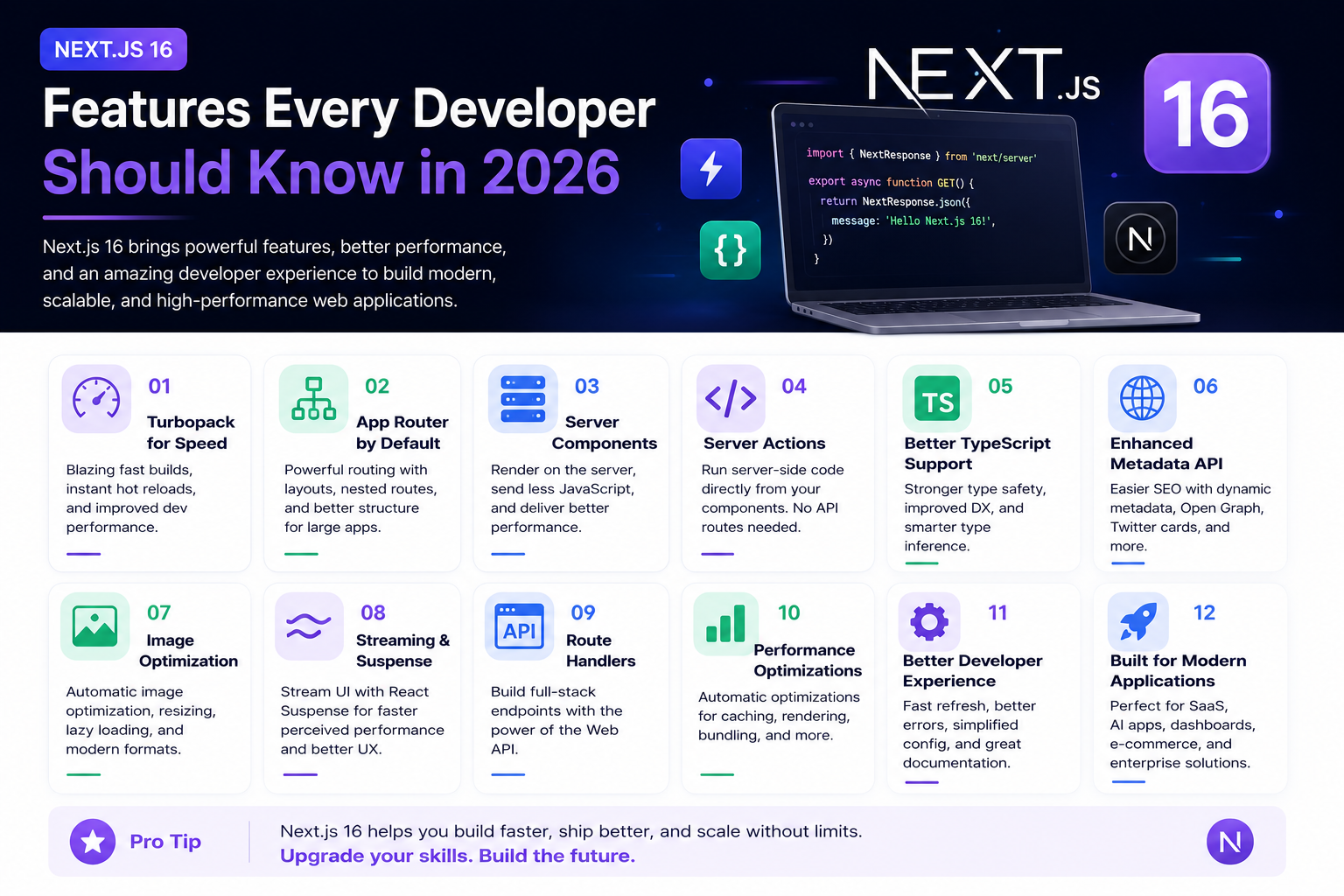
Next.js 16 Features Every Developer Should Know in 2026
Next.js 16 continues to push modern web development forward with improved performance, better developer experience, enhanced routing, and powerful server-side capabilities. Whether you're building a blog, SaaS platform, portfolio, or enterprise application, these are the most important Next.js 16 features every developer should understand.
4 min read · 192 views
Next.js
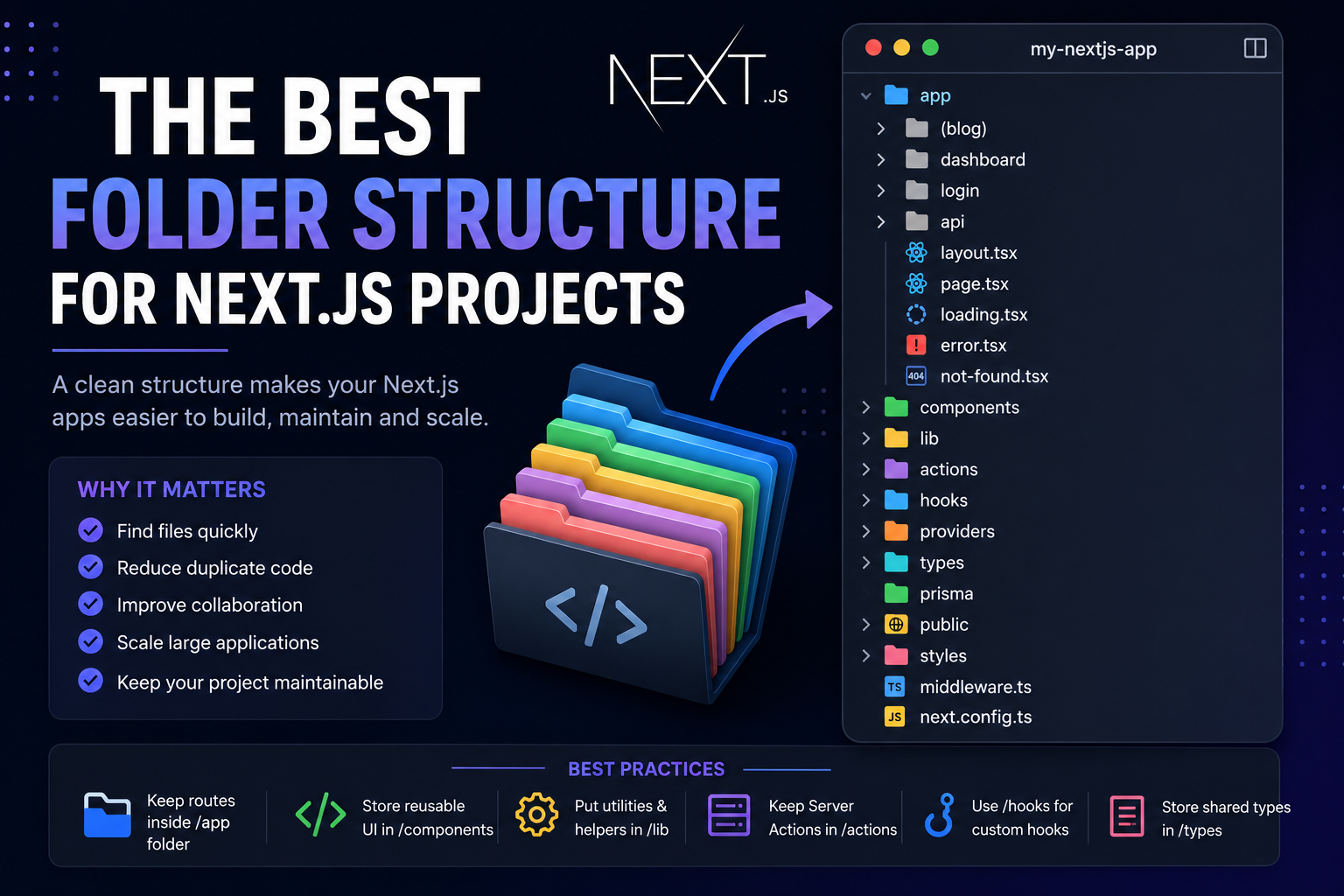
The Best Folder Structure for Next.js Projects in 2026
A clean folder structure makes every Next.js project easier to build, maintain, and scale. Discover the best folder organization for modern Next.js applications in 2026, whether you're building a blog, SaaS, dashboard, or enterprise application.
4 min read · 152 views
Trending
Popular Posts
Productivity Tools That Save Developers Hours in 2026
681 views
The Most Valuable Skills to Learn in the AI Era (2026 and Beyond)
331 views
Vibe Coding vs Learning to Code: Which Path Will Take You Further?
277 views
Next.js 16 Features Every Developer Should Know in 2026
192 views
The Best Folder Structure for Next.js Projects in 2026
152 views
Comments
No approved comments yet.