Web Development
The Best Tech Stack for Solo Developers in 2026
By Yahya Saeed · 4 min read · 114 views
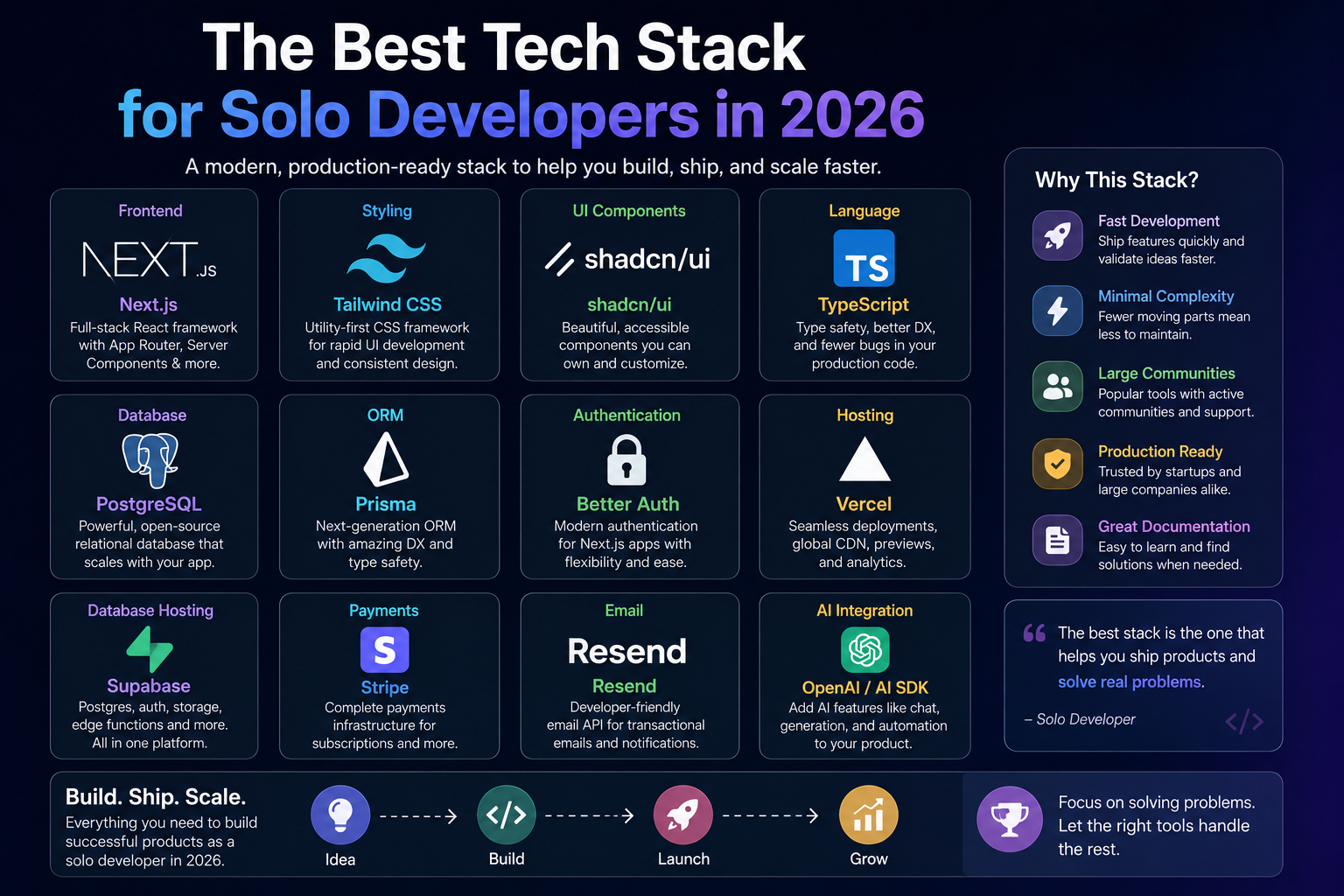
The Best Tech Stack for Solo Developers in 2026
Being a solo developer has never been more exciting.
A few years ago, building a complete SaaS product often required a team of designers, frontend developers, backend developers, database engineers, and marketers.
Today, one person can build and launch products used by thousands of people.
The reason isn't just AI.
It's also the incredible ecosystem of modern tools available to developers.
The challenge is choosing the right stack.
With hundreds of frameworks and libraries competing for attention, it's easy to waste time learning tools that don't actually improve productivity.
For solo developers, the goal should be simple:
Build faster. Maintain less. Ship more.
Here's the tech stack I recommend for most solo developers in 2026.
What Makes a Great Solo Developer Stack?
Before choosing technologies, let's define the requirements.
A good stack should be:
Easy to learn
Easy to maintain
Production ready
Scalable
Well documented
Popular enough to find help
Most importantly:
It should help you build products quickly.
Not spend weeks configuring tools.
Frontend: Next.js
If you're building modern web applications, Next.js remains one of the strongest choices in 2026.
Why?
Because it combines:
Frontend
Backend
Routing
SEO
API development
Performance optimization
into a single framework.
Benefits include:
Server Components
Server Actions
App Router
Great performance
Excellent deployment experience
Instead of managing multiple frameworks, you get a complete solution.
For solo developers, this simplicity is incredibly valuable.
UI Styling: Tailwind CSS
Tailwind CSS has become the default styling solution for many developers.
Benefits include:
Fast development
Consistent design
Responsive utilities
Easy customization
Small production bundles
Instead of writing large CSS files, you build interfaces directly within your components.
This dramatically speeds up development.
For solo founders, speed matters.
UI Components: shadcn/ui
Creating every component from scratch is rarely a good use of time.
shadcn/ui provides:
Professional design
Accessibility
Full customization
Modern components
You own the code instead of depending on a heavy component library.
This flexibility makes it one of the best UI solutions available today.
Database: PostgreSQL
When in doubt:
Choose PostgreSQL.
It is:
Reliable
Fast
Scalable
Open source
PostgreSQL works perfectly for:
SaaS products
Dashboards
Marketplaces
CMS platforms
AI applications
Many successful startups begin with PostgreSQL and continue using it for years.
ORM: Prisma
There are many excellent ORMs available.
For solo developers, Prisma remains one of the best options.
Benefits include:
Excellent developer experience
Strong TypeScript support
Easy migrations
Auto-generated database client
Great documentation
Prisma helps you spend less time managing databases and more time building features.
Authentication: Better Auth
Authentication is one of the most common requirements in modern applications.
Better Auth has become increasingly popular because it offers:
Modern architecture
Type safety
Flexibility
Great developer experience
Authentication should not consume weeks of development time.
Better Auth helps solve that problem.
Hosting: Vercel
Deployment should be boring.
Vercel makes deploying Next.js applications incredibly simple.
Features include:
Automatic deployments
Preview environments
Global CDN
Analytics
Performance optimization
A solo developer should not spend hours configuring servers.
Vercel allows you to focus on the product.
Database Hosting: Supabase
Supabase is one of the most useful tools for solo developers.
It provides:
PostgreSQL
Storage
Authentication options
Edge functions
Dashboard management
Many projects can run entirely on Supabase's free tier during early growth.
This makes it ideal for bootstrapped founders.
Payments: Stripe
If your SaaS needs payments, Stripe remains the standard.
Benefits include:
Excellent documentation
Global support
Subscription management
Developer-friendly APIs
Most modern SaaS products integrate Stripe.
Email: Resend
Email remains essential.
Resend has become one of the best developer-focused email services.
Use it for:
Verification emails
Password resets
Notifications
Transactional emails
Its API is simple and works exceptionally well with modern frameworks.
AI Integration
In 2026, AI integration is becoming standard.
Many products now include:
Chat features
Content generation
AI assistants
Automation tools
Popular AI providers include:
OpenAI
Anthropic
Google Gemini
Most applications only need API access rather than training custom models.
Why This Stack Works
This stack offers several advantages:
Fast Development
You can build products quickly.
Minimal Complexity
Fewer tools mean fewer problems.
Large Communities
Finding solutions is easy.
Excellent Documentation
Most tools have strong documentation and learning resources.
Production Ready
These technologies are already powering real businesses.
What About Other Stacks?
Many other stacks are excellent.
Examples include:
Laravel
Django
Ruby on Rails
Angular
Vue
SvelteKit
The goal is not finding the "perfect" stack.
The goal is finding a stack you can build products with consistently.
For many solo developers, the stack above offers one of the best balances of productivity and scalability.
My Recommendation for Beginners
If you're learning full-stack development today, start with:
Next.js
Tailwind CSS
PostgreSQL
Prisma
Vercel
These technologies provide an excellent foundation.
You can always add more tools later.
Final Thoughts
The best tech stack is not the one with the most features.
It's the one that helps you ship products consistently.
As a solo developer, your biggest advantage is speed.
Choose tools that reduce complexity, automate repetitive tasks, and allow you to focus on solving real problems.
In 2026, a stack built around Next.js, Tailwind CSS, PostgreSQL, Prisma, and modern cloud services provides everything needed to build serious products.
Remember:
Users don't care about your tech stack.
They care about the problem you solve.
Choose tools that help you reach users faster and start building.
Keep reading
Related Posts
Next.js
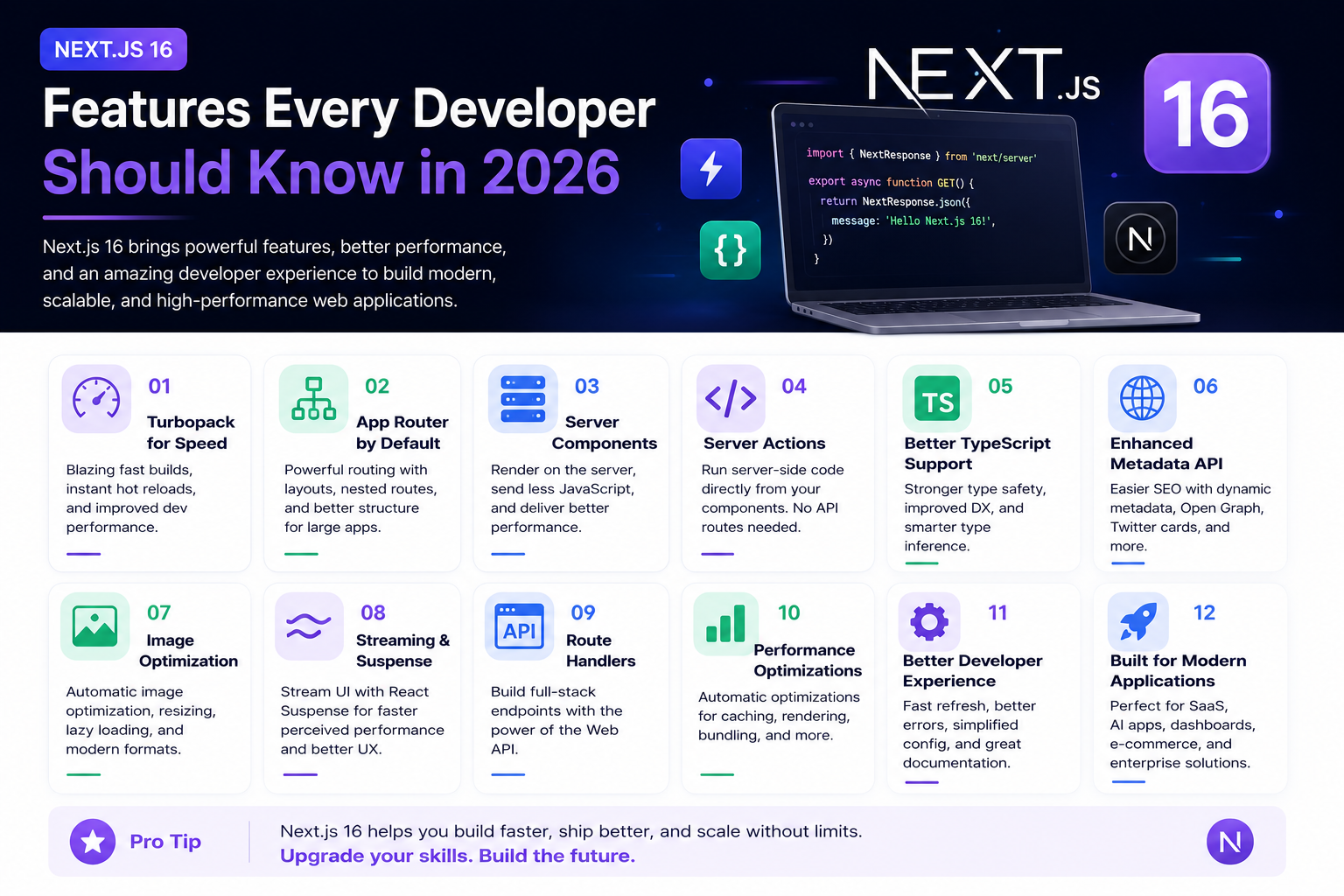
Next.js 16 Features Every Developer Should Know in 2026
Next.js 16 continues to push modern web development forward with improved performance, better developer experience, enhanced routing, and powerful server-side capabilities. Whether you're building a blog, SaaS platform, portfolio, or enterprise application, these are the most important Next.js 16 features every developer should understand.
4 min read · 192 views
Next.js
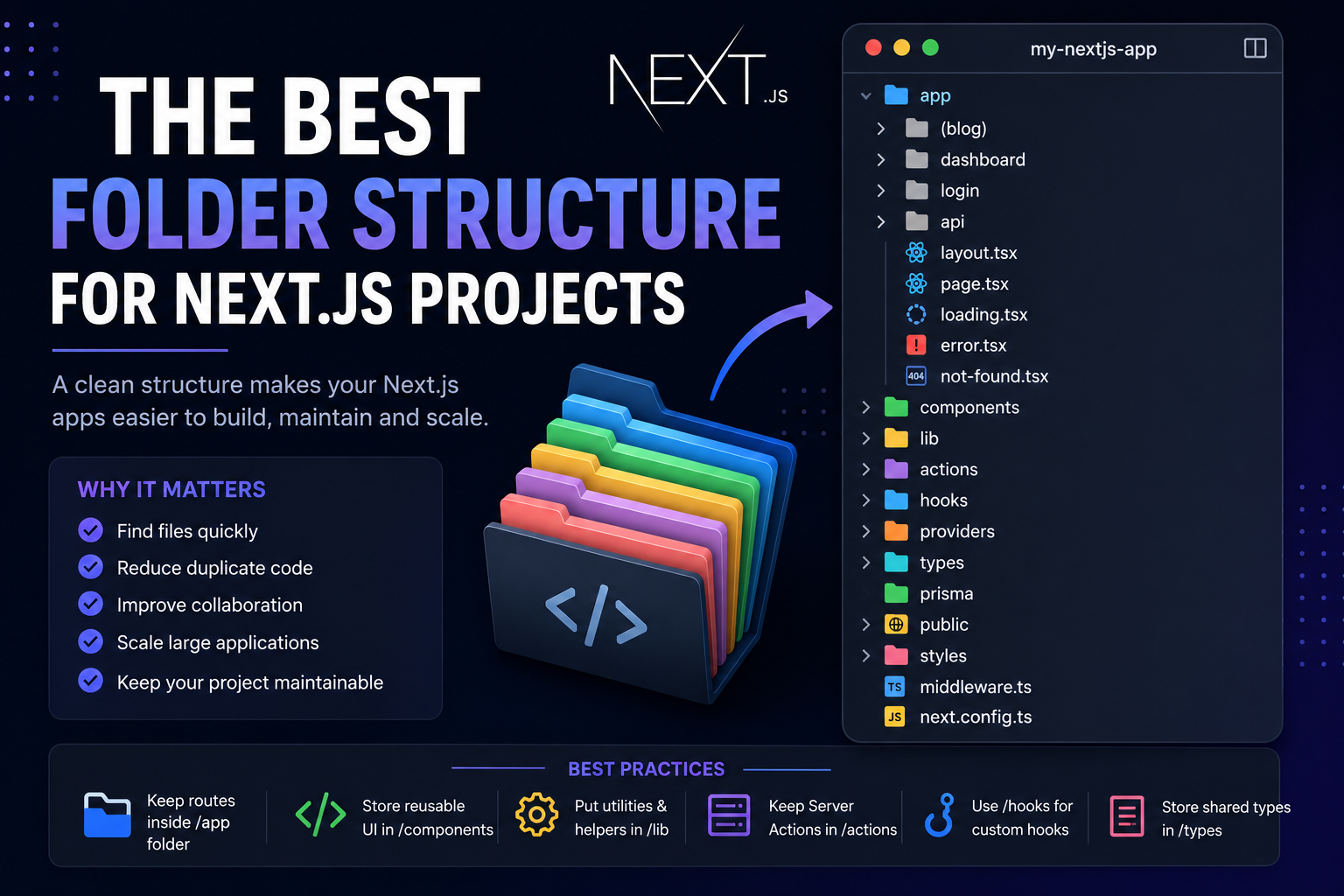
The Best Folder Structure for Next.js Projects in 2026
A clean folder structure makes every Next.js project easier to build, maintain, and scale. Discover the best folder organization for modern Next.js applications in 2026, whether you're building a blog, SaaS, dashboard, or enterprise application.
4 min read · 151 views

Next.js
How to Build a Blog with Next.js 16: Complete Beginner Guide
Learn how to create a modern blog with Next.js 16 using dynamic pages, categories, tags, excerpts, SEO metadata, and a scalable content structure.
3 min read · 140 views
Trending
Popular Posts
Productivity Tools That Save Developers Hours in 2026
681 views
The Most Valuable Skills to Learn in the AI Era (2026 and Beyond)
331 views
Vibe Coding vs Learning to Code: Which Path Will Take You Further?
277 views
Next.js 16 Features Every Developer Should Know in 2026
192 views
The Best Folder Structure for Next.js Projects in 2026
151 views
Comments
No approved comments yet.