CSS
Tailwind CSS vs Bootstrap: Which One Should You Choose in 2026?
By Yahya Saeed · 4 min read · 118 views
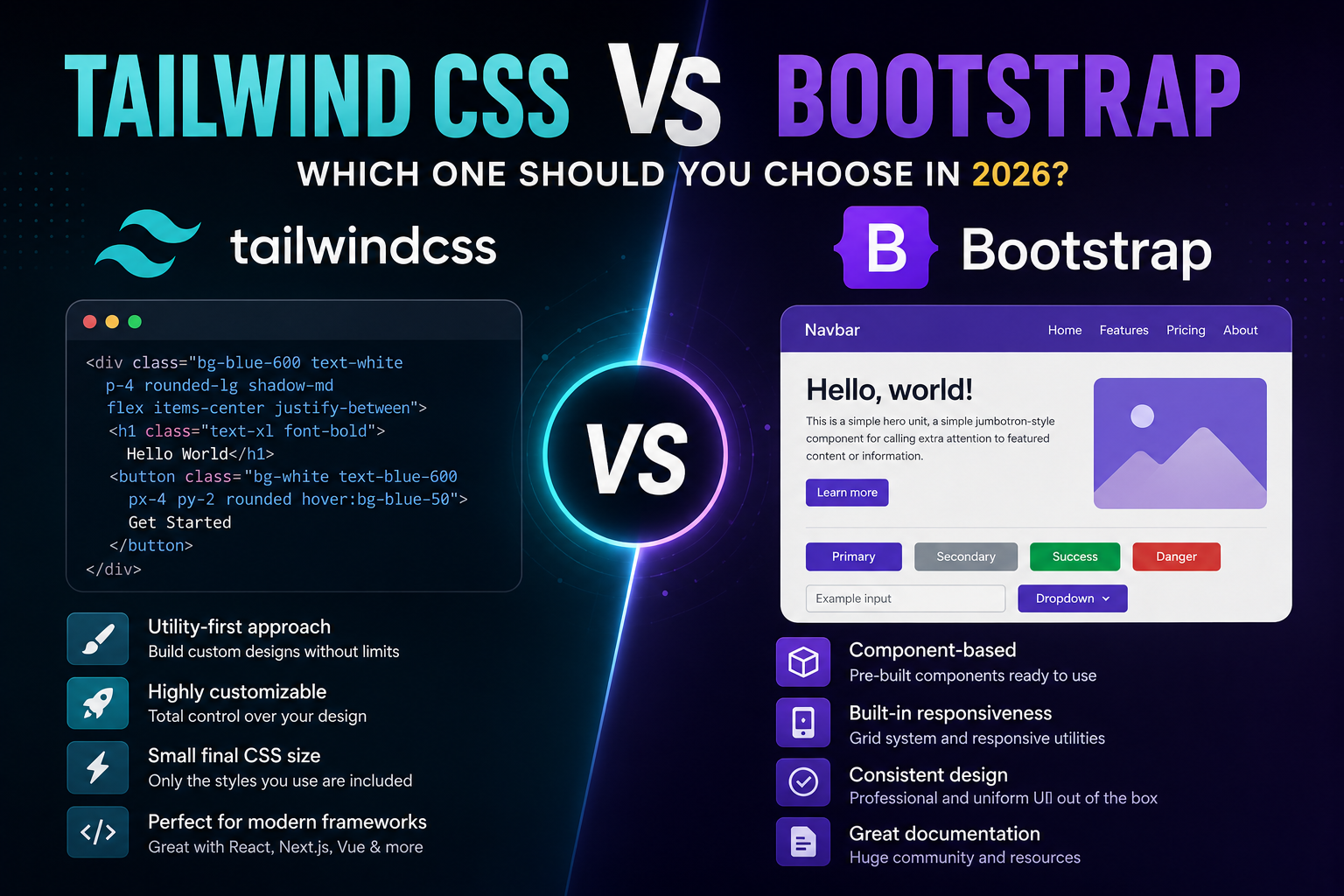
Tailwind CSS vs Bootstrap: Which One Should You Choose in 2026?
When developers need to build a website quickly, two names often come up:
Tailwind CSS and Bootstrap.
For years, Bootstrap dominated frontend development.
Then Tailwind CSS arrived and changed how developers think about styling.
Today, both frameworks remain popular, but they serve different purposes.
Choosing the right one can significantly impact your development speed, design flexibility, and long-term maintenance.
Let's compare them.
What Is Bootstrap?
Bootstrap is a component-based CSS framework.
It provides ready-made components such as:
Navigation bars
Buttons
Cards
Forms
Modals
Tables
Developers can quickly assemble interfaces without designing everything from scratch.
Bootstrap became popular because it made responsive web design accessible to everyone.
What Is Tailwind CSS?
Tailwind CSS is a utility-first framework.
Instead of giving you pre-designed components, it provides utility classes that allow you to build custom designs directly in your HTML.
Example:
<div class="bg-blue-600 text-white p-4 rounded-lg">
  Hello World
</div>
Rather than forcing a design system, Tailwind gives developers complete control.
Development Speed
Bootstrap
Bootstrap is incredibly fast for simple projects.
You can build:
Admin panels
Dashboards
Landing pages
Internal tools
within a very short time.
Many components work immediately with minimal customization.
Tailwind CSS
Tailwind requires slightly more setup because you build designs yourself.
However, once familiar with Tailwind, many developers find it faster for custom projects.
Winner
Bootstrap: Faster for simple projects.
Tailwind: Faster for custom designs.
Design Flexibility
This is where Tailwind shines.
Bootstrap websites often look similar unless heavily customized.
Many developers can instantly recognize a default Bootstrap interface.
Tailwind allows complete design freedom.
You can create unique interfaces without fighting the framework.
Winner: Tailwind CSS
Learning Curve
Bootstrap is easier for beginners.
Developers can start using components immediately.
Tailwind requires learning:
Utility classes
Responsive utilities
Layout patterns
The initial learning curve is slightly higher.
Winner: Bootstrap
Customization
Modern websites often require unique branding.
Bootstrap customization can sometimes become frustrating because you're overriding default styles.
Tailwind was built with customization in mind.
Everything is designed to be modified easily.
Winner: Tailwind CSS
Performance
Bootstrap ships with many styles and components.
Even if you don't use them all, they are often included.
Tailwind removes unused styles during production builds.
This creates:
Smaller CSS bundles
Faster loading times
Better performance
Winner: Tailwind CSS
Working with React and Next.js
Modern frameworks rely heavily on reusable components.
Tailwind integrates naturally with:
React
Next.js
Vue
Svelte
Bootstrap works as well, but many React developers prefer Tailwind because styles stay close to components.
Winner: Tailwind CSS
UI Consistency
Bootstrap provides consistency out of the box.
Buttons, forms, and layouts already follow a unified design language.
Tailwind requires developers to create that consistency themselves.
Winner: Bootstrap
Ecosystem
Both frameworks have strong ecosystems.
Bootstrap
Huge community
Thousands of templates
Extensive documentation
Tailwind
shadcn/ui
DaisyUI
Flowbite
Headless UI
The Tailwind ecosystem has grown dramatically in recent years.
Winner: Tie
Which Framework Is Better for Freelancers?
Freelancers often need to create unique client websites.
Tailwind offers more flexibility and modern design capabilities.
This makes it easier to deliver custom-looking projects.
Winner: Tailwind CSS
Which Framework Is Better for Beginners?
If your goal is learning frontend development quickly, Bootstrap can help you create working websites almost immediately.
Its component-based approach is beginner-friendly.
Winner: Bootstrap
Which Framework Is Better for Modern SaaS Applications?
Most modern SaaS applications now use:
React
Next.js
Tailwind CSS
The utility-first workflow fits perfectly with component-based development.
Winner: Tailwind CSS
My Recommendation
Choose Bootstrap If:
You're a beginner.
You need rapid prototyping.
You want ready-made components.
You're building internal tools.
Choose Tailwind CSS If:
You want custom designs.
You use React or Next.js.
You build SaaS applications.
You care about performance.
You want full control over styling.
So Which One Is Better in 2026?
Bootstrap is still a fantastic framework.
It's reliable, mature, and easy to use.
However, modern frontend development has shifted toward component-based frameworks and highly customized interfaces.
Because of that, Tailwind CSS has become the preferred choice for many developers.
Final Thoughts
The Tailwind vs Bootstrap debate isn't really about which framework is better.
It's about choosing the right tool for your project.
Bootstrap helps developers build interfaces quickly using pre-built components.
Tailwind helps developers create modern, custom designs with maximum flexibility.
For most modern React, Next.js, and SaaS projects in 2026, Tailwind CSS has the advantage.
But Bootstrap remains an excellent option for developers who value simplicity and speed.
The best framework is the one that helps you build great products faster.
Keep reading
Related Posts
Next.js
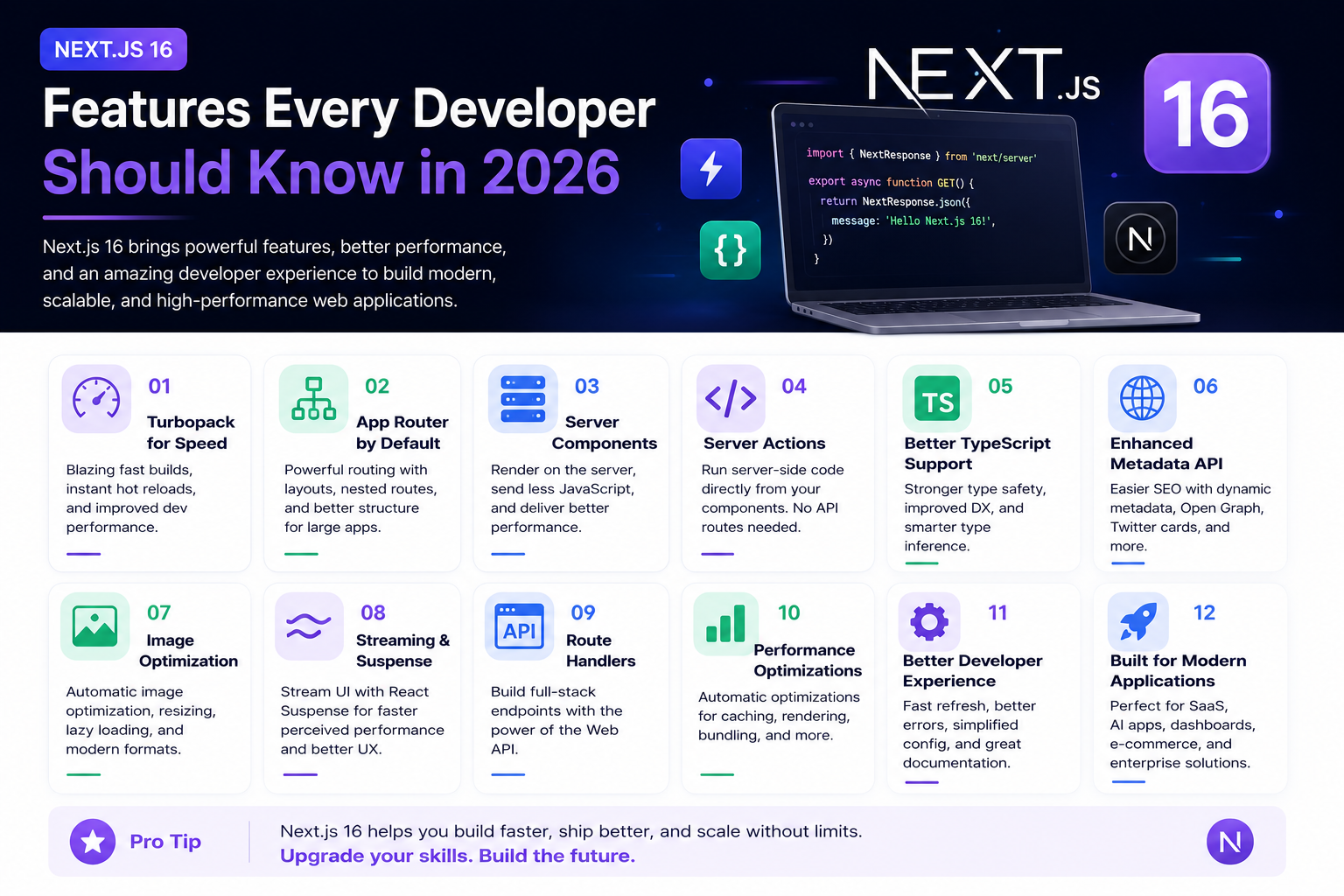
Next.js 16 Features Every Developer Should Know in 2026
Next.js 16 continues to push modern web development forward with improved performance, better developer experience, enhanced routing, and powerful server-side capabilities. Whether you're building a blog, SaaS platform, portfolio, or enterprise application, these are the most important Next.js 16 features every developer should understand.
4 min read · 192 views
Next.js
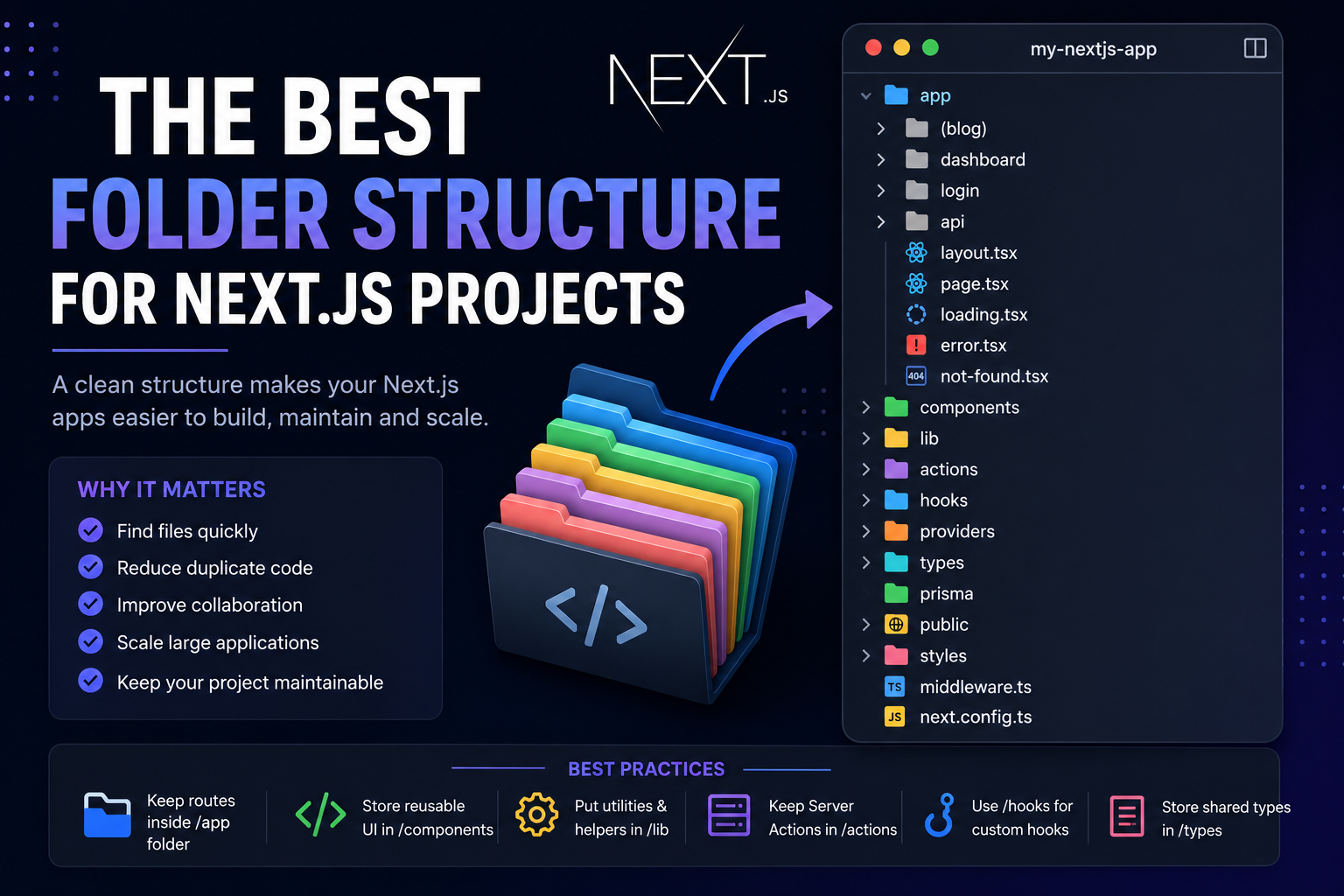
The Best Folder Structure for Next.js Projects in 2026
A clean folder structure makes every Next.js project easier to build, maintain, and scale. Discover the best folder organization for modern Next.js applications in 2026, whether you're building a blog, SaaS, dashboard, or enterprise application.
4 min read · 152 views
Next.js
How to Build a Blog with Next.js 16: Complete Beginner Guide
Learn how to create a modern blog with Next.js 16 using dynamic pages, categories, tags, excerpts, SEO metadata, and a scalable content structure.
3 min read · 140 views
Trending
Popular Posts
Productivity Tools That Save Developers Hours in 2026
681 views
The Most Valuable Skills to Learn in the AI Era (2026 and Beyond)
331 views
Vibe Coding vs Learning to Code: Which Path Will Take You Further?
277 views
Next.js 16 Features Every Developer Should Know in 2026
192 views
The Best Folder Structure for Next.js Projects in 2026
152 views
Comments
No approved comments yet.