Mobile Development
Should Web Developers Learn Mobile Development?
By Yahya Saeed · 4 min read · 81 views
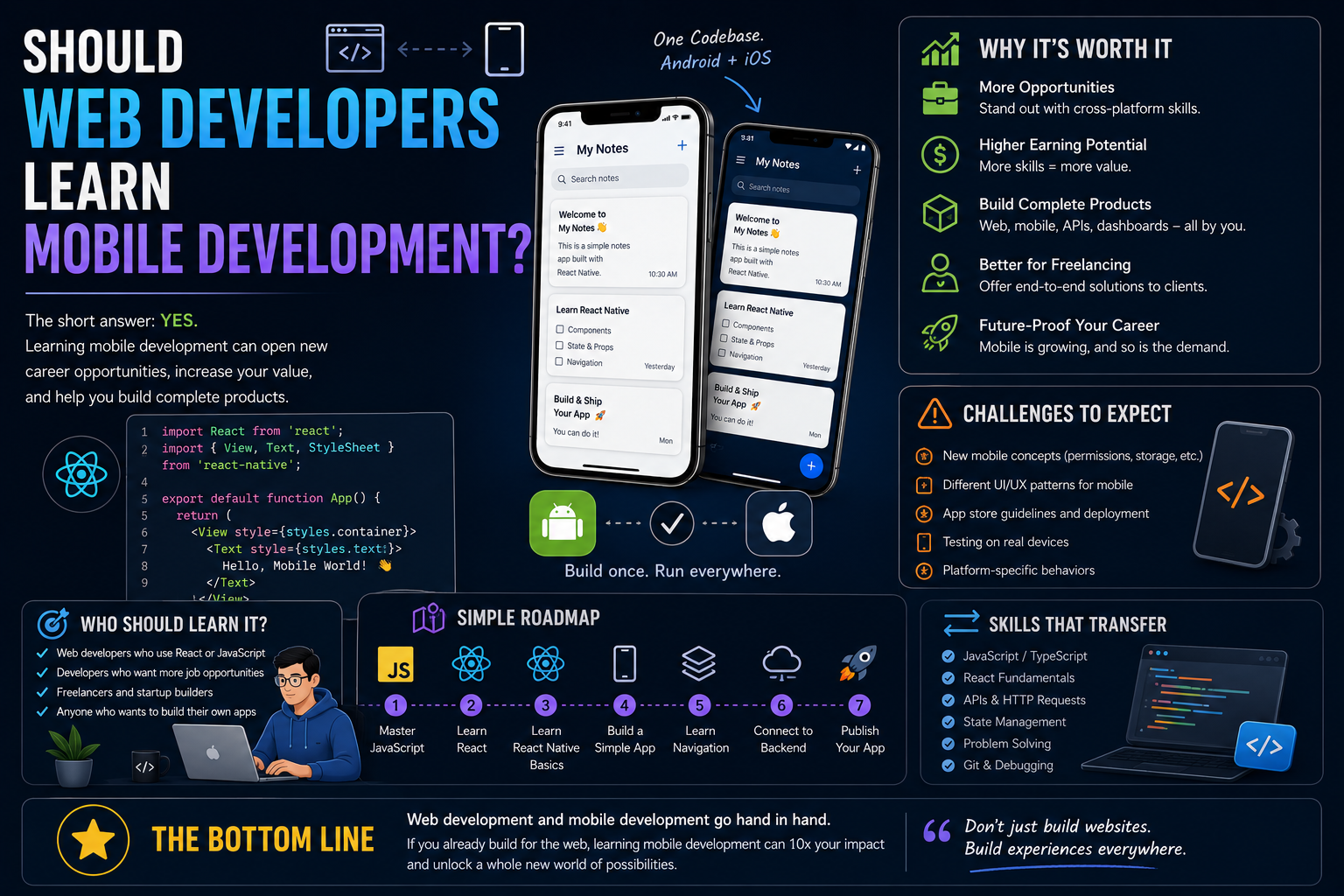
Should Web Developers Learn Mobile Development?
If you're already a web developer, you've probably asked yourself this question at least once:
"Should I learn mobile development too?"
It's a fair question.
Learning another technology requires time, effort, and patience. You don't want to spend months studying something that won't help your career.
The good news is that in 2026, web development and mobile development are closer than ever. Thanks to frameworks like React Native, many web developers can build mobile applications using skills they already have.
But does that mean every web developer should learn mobile development?
Let's find out.
Why This Question Matters More Than Ever
The demand for software is growing rapidly.
Businesses no longer want just a website.
They want:
A responsive website
An Android application
An iPhone application
An admin dashboard
APIs
Cloud integration
Developers who can contribute across multiple platforms often have more opportunities than those limited to a single platform.
You Already Know More Than You Think
If you're comfortable with technologies like:
HTML
CSS
JavaScript
React
REST APIs
Git
You're already halfway to becoming a mobile developer.
React Native uses many of the same concepts:
Components
State
Props
Hooks
Navigation
API requests
The biggest difference is learning mobile-specific components and patterns.
React Native Makes the Transition Easier
One of the biggest advantages for web developers is React Native.
Instead of learning an entirely new ecosystem, you continue working with JavaScript and React.
That means you can reuse many of your existing skills while building applications for:
Android
iPhone
With one codebase.
This dramatically reduces the learning curve.
More Career Opportunities
Knowing both web and mobile development makes you a more versatile developer.
Many companies prefer hiring developers who can contribute across multiple products.
This can lead to opportunities such as:
Full-stack developer
Mobile developer
Startup engineer
Freelance developer
Technical consultant
Having a broader skill set can also make your resume stand out.
Better Freelancing Potential
Freelance clients often ask for complete solutions rather than individual technologies.
Instead of building only a website, you might also create:
Mobile apps
Admin panels
Dashboards
APIs
Authentication systems
Offering multiple services increases the types of projects you can accept.
Build Complete Products
Imagine building your own SaaS.
Instead of offering only a web application, you could also launch:
Android app
iPhone app
Admin dashboard
Public website
Everything built by you.
That's a powerful advantage for solo developers and indie hackers.
Shared Business Logic
Many parts of your application don't change between web and mobile.
For example:
Authentication
API calls
Validation
Utility functions
Business rules
With good architecture, much of this logic can be shared, reducing development time.
Learn How Mobile Users Think
Designing for mobile teaches valuable lessons.
You'll start considering:
Touch interactions
Small screens
Offline experiences
Performance
Battery usage
Mobile navigation
These insights often improve your web applications as well.
Challenges to Expect
Mobile development isn't identical to web development.
You'll encounter new concepts like:
Native permissions
App stores
Push notifications
Device storage
Camera access
GPS
Deep linking
Mobile navigation patterns
The learning curve exists, but it's manageable.especially if you already know React.
Should You Learn Flutter Instead?
Flutter is another excellent option.
It offers:
Excellent performance
Beautiful UI
Desktop support
Rich widget library
However, if you're already a React developer, React Native usually provides the smoother transition because it uses JavaScript.
If your long-term goal is to become a full-stack JavaScript developer, React Native is often the better fit.
When You Might Skip Mobile Development
Not every web developer needs mobile development.
If your work focuses entirely on:
Backend systems
DevOps
Cloud infrastructure
Internal business software
Data engineering
Mobile development may not provide significant value.
Your learning time might be better spent deepening your existing expertise.
Skills That Transfer Between Web and Mobile
Many concepts remain exactly the same.
These include:
JavaScript
TypeScript
React fundamentals
API integration
State management
Authentication
Git
Testing
Debugging
Clean architecture
This overlap makes learning mobile development much easier than learning a completely unrelated technology.
A Practical Learning Roadmap
If you're a web developer, here's a simple roadmap:
Master JavaScript.
Become comfortable with React.
Learn React Native basics.
Build a simple notes app.
Learn navigation.
Work with device APIs.
Add authentication.
Connect to a backend.
Publish an Android app.
Build a complete production-ready project.
Building projects is the fastest way to gain confidence.
My Recommendation
If you're already using React or Next.js, learning React Native is one of the best investments you can make.
It expands your opportunities without forcing you to abandon your existing skills.
Instead of learning an entirely new language, you continue building with JavaScript while reaching millions of mobile users.
For most modern web developers, that's an excellent trade-off.
Final Thoughts
Web development and mobile development are no longer separate worlds.
Modern frameworks have made it easier than ever to build applications across multiple platforms using a shared set of skills.
Learning mobile development doesn't mean replacing web development—it means expanding your capabilities.
Whether your goal is freelancing, launching a SaaS, getting a better job, or building your own products, adding mobile development to your toolkit can make you a more complete and more valuable developer.
If you're already comfortable with React, there's never been a better time to take the next step and start building mobile applications.
Keep reading
Related Posts
Career & Technology
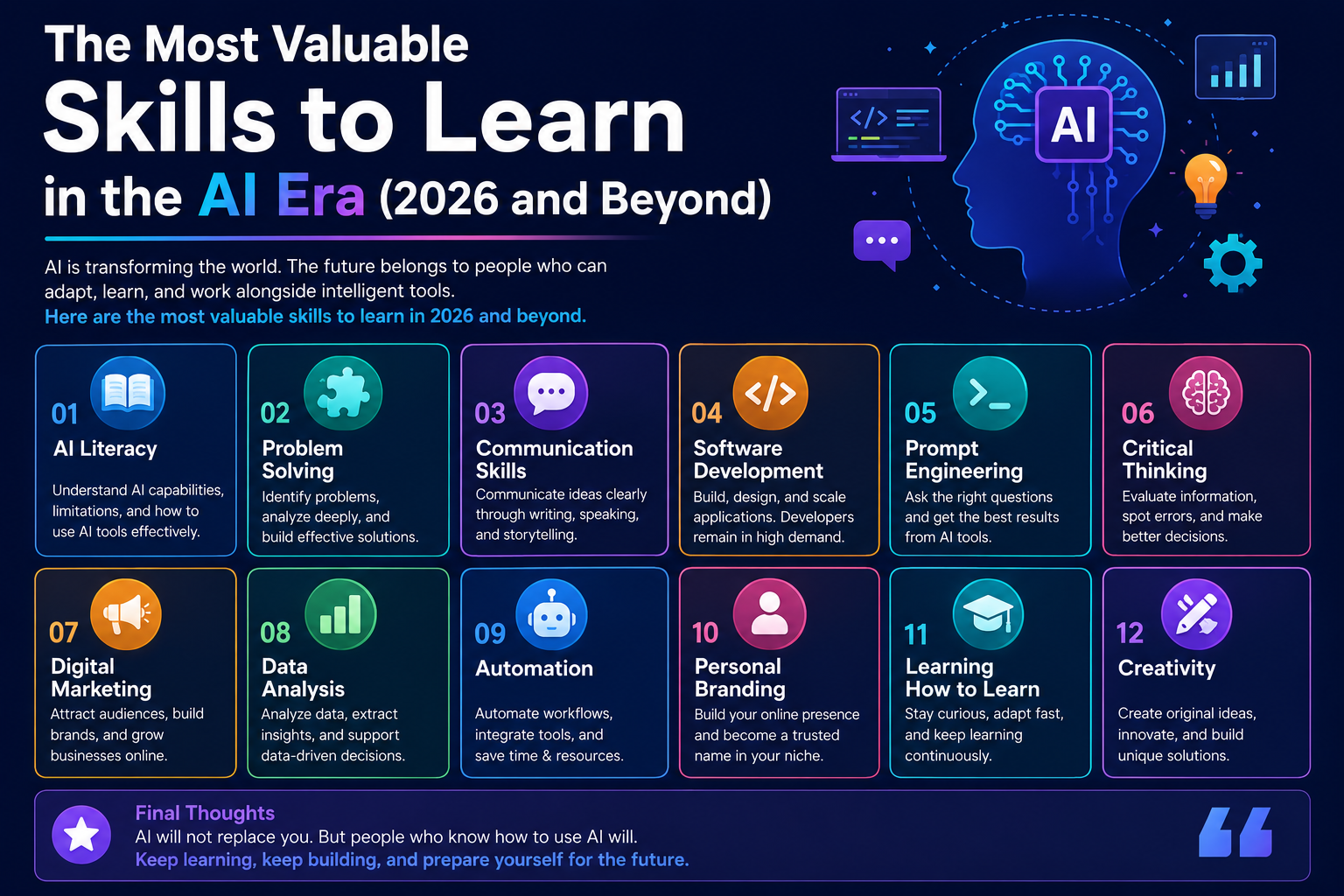
The Most Valuable Skills to Learn in the AI Era (2026 and Beyond)
Artificial Intelligence is changing how we work, learn, and build products. Some skills are becoming less valuable, while others are becoming more important than ever. If you want to stay relevant and thrive in 2026 and beyond, these are the skills you should focus on developing.
4 min read · 331 views
Programming
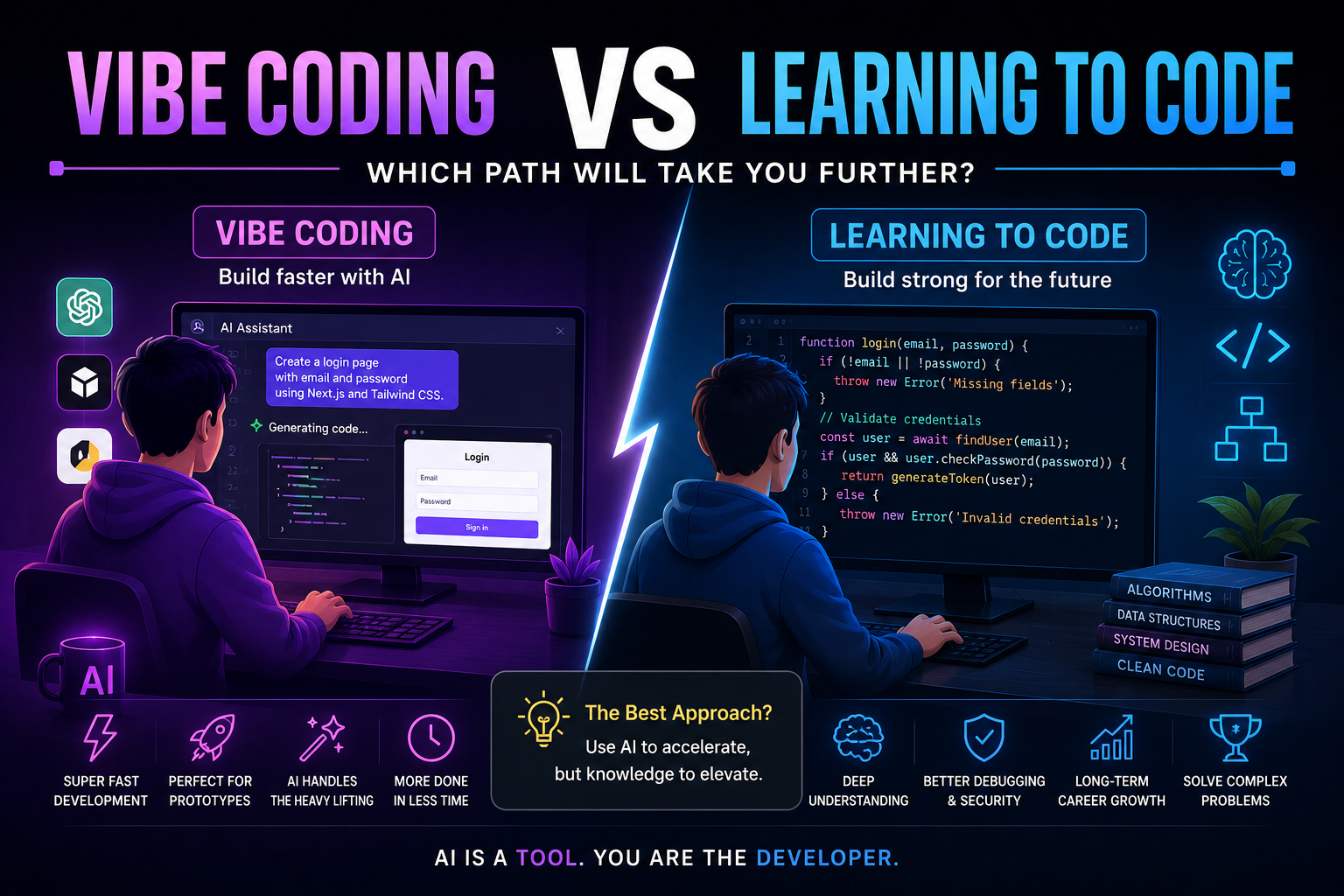
Vibe Coding vs Learning to Code: Which Path Will Take You Further?
AI can build apps faster than ever, leading to the rise of "vibe coding." But does that mean learning to code is no longer necessary? Let's explore the strengths, weaknesses, and future of both approaches to discover which path offers the greatest long-term value.
4 min read · 277 views
Next.js
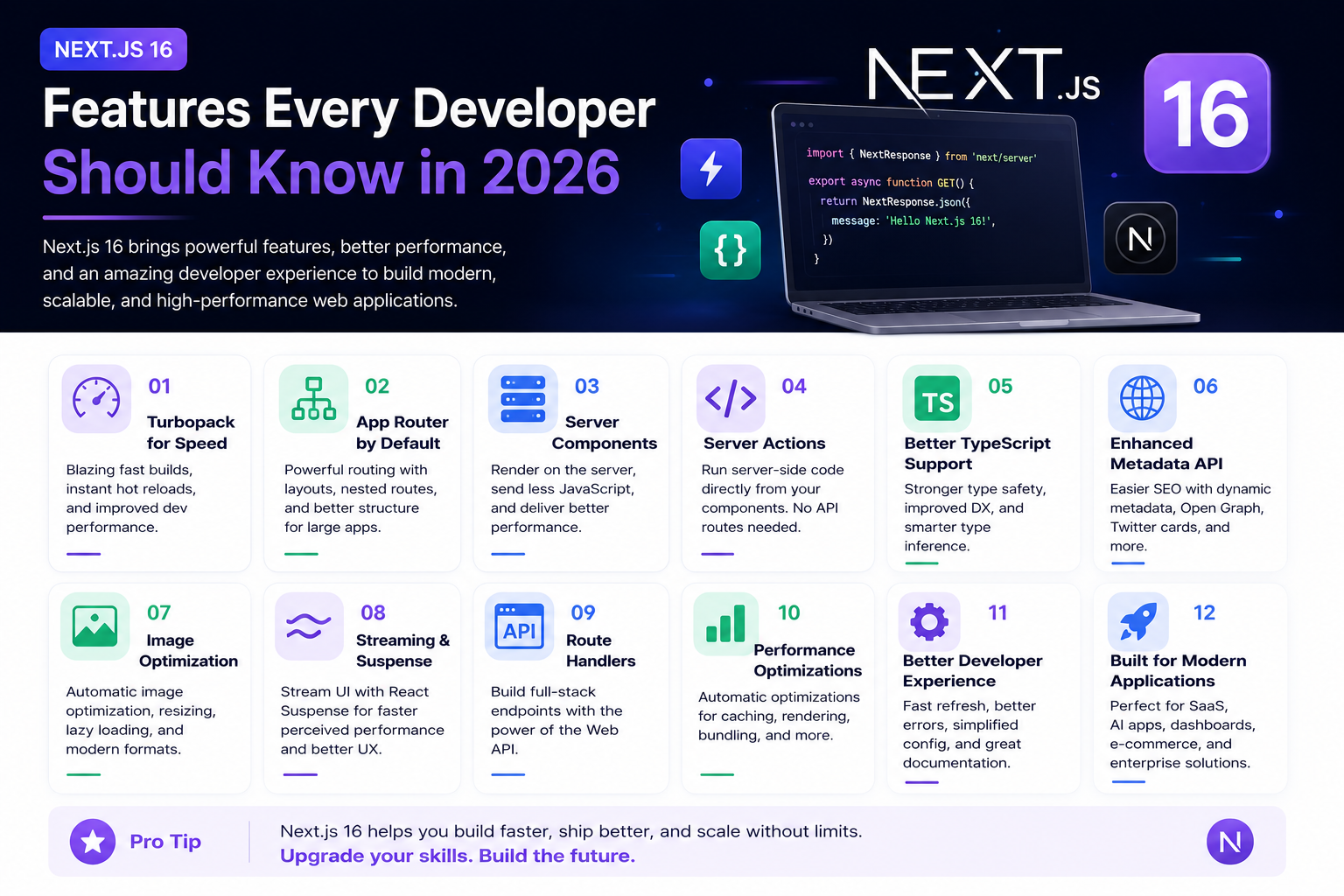
Next.js 16 Features Every Developer Should Know in 2026
Next.js 16 continues to push modern web development forward with improved performance, better developer experience, enhanced routing, and powerful server-side capabilities. Whether you're building a blog, SaaS platform, portfolio, or enterprise application, these are the most important Next.js 16 features every developer should understand.
4 min read · 192 views
Trending
Popular Posts
Productivity Tools That Save Developers Hours in 2026
681 views
The Most Valuable Skills to Learn in the AI Era (2026 and Beyond)
331 views
Vibe Coding vs Learning to Code: Which Path Will Take You Further?
277 views
Next.js 16 Features Every Developer Should Know in 2026
192 views
The Best Folder Structure for Next.js Projects in 2026
151 views
Comments
No approved comments yet.