SaaS & Startups
My SaaS Development Workflow
By Yahya Saeed · 4 min read · 71 views
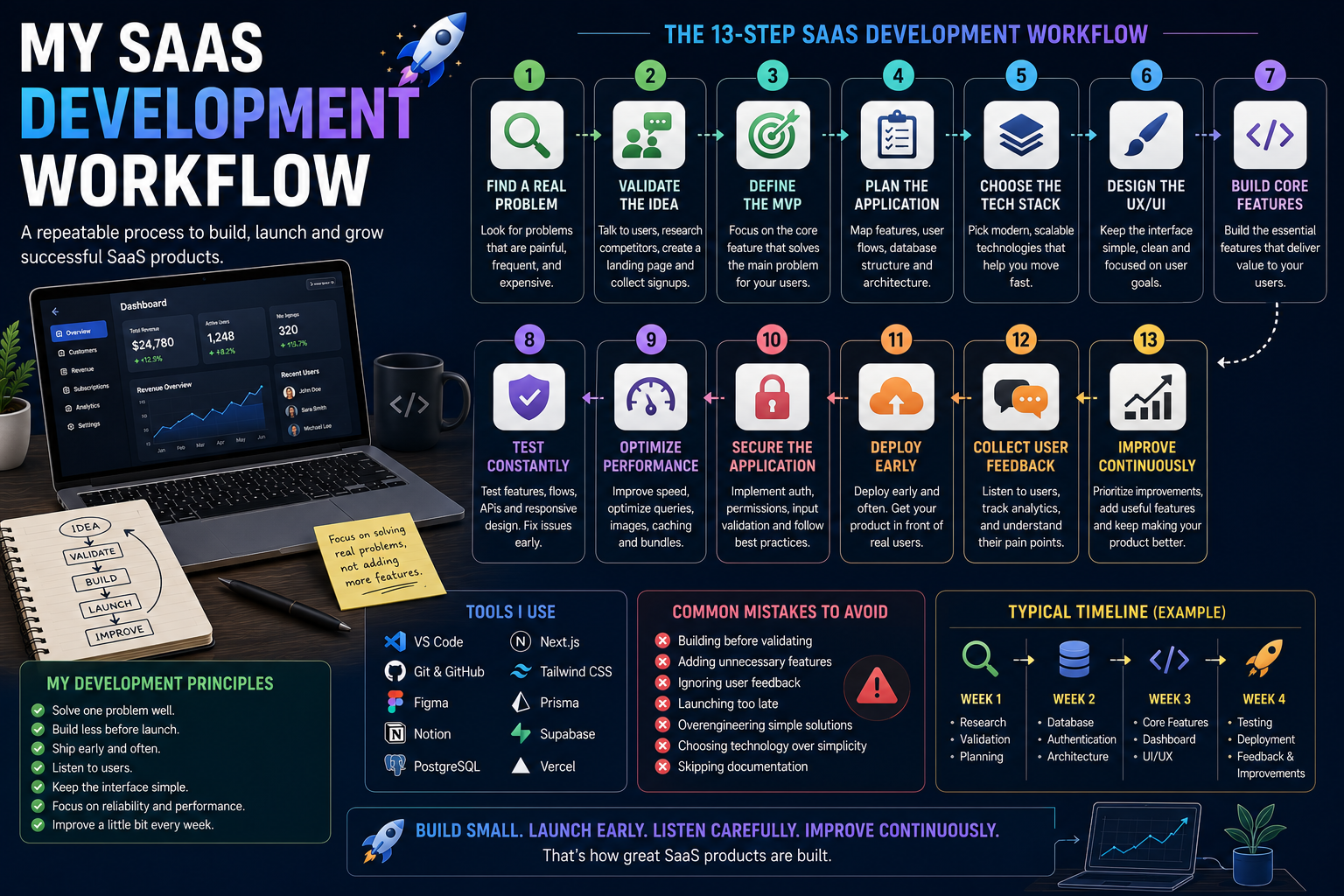
My SaaS Development Workflow
Building a SaaS isn't just about writing code.
It's about following a process that helps you move from an idea to a product that people actually use and pay for.
Early in my development journey, I often jumped straight into coding.
I'd build authentication, dashboards, databases, and dozens of features before asking whether anyone actually needed them.
Eventually, I realized something important.
A repeatable workflow is far more valuable than random bursts of productivity.
When every new project follows the same process, development becomes faster, more organized, and far less stressful.
This is the workflow I'd use to build almost any SaaS product in 2026.
Step 1: Find a Real Problem
Everything begins with the problem.
I don't start by asking:
"What should I build?"
Instead, I ask:
"What problem is costing people time, money, or productivity?"
Good SaaS ideas usually come from:
Manual work
Spreadsheets
Paper records
Repetitive tasks
Poor user experiences
Expensive existing software
The bigger the pain, the more valuable the solution.
Step 2: Validate the Idea
Before writing any code, I validate the concept.
This includes:
Talking to potential users
Reading customer reviews
Studying competitors
Creating a landing page
Collecting email signups
The goal is simple:
Make sure people actually want the product before investing months into development.
Step 3: Define the MVP
Once validation looks promising, I define the Minimum Viable Product.
I ask myself:
"If I could only ship one feature, what would it be?"
Everything else goes into a future roadmap.
A focused MVP reaches users much faster.
Step 4: Plan the Application
Before opening my code editor, I outline the application.
This includes:
Features
User roles
Database tables
Relationships
User flows
Navigation
APIs
Planning early reduces confusion later.
Step 5: Choose the Tech Stack
I prefer technologies that let me move quickly without sacrificing scalability.
My typical stack includes:
Frontend
Next.js
React
Tailwind CSS
Backend
Next.js Server Actions
Node.js
Database
PostgreSQL
Prisma ORM
Backend Services
Supabase
Authentication
Better Auth
Deployment
Vercel
This stack is productive, modern, and well suited for SaaS applications.
Step 6: Design the User Experience
I keep the interface simple.
Every screen should answer one question:
"What is the user trying to accomplish here?"
I focus on:
Clear navigation
Consistent spacing
Readable typography
Simple forms
Fast interactions
Mobile responsiveness
Good design removes confusion.
Step 7: Build Core Features First
I always begin with the features users absolutely need.
For example:
Authentication
Dashboard
Main functionality
Settings
User profile
Everything else can wait.
Shipping value early is more important than building every feature.
Step 8: Test Constantly
Testing isn't something I save for the end.
I test continuously during development.
This includes:
Forms
Authentication
Navigation
API requests
Mobile responsiveness
Error handling
Fixing small problems early saves hours later.
Step 9: Optimize Performance
Before launch, I review performance.
I optimize:
Images
Database queries
API calls
Bundle size
Lazy loading
Caching
Fast software creates a better first impression.
Step 10: Secure the Application
Security isn't optional.
Every SaaS should include:
Authentication
Authorization
Input validation
HTTPS
Secure database queries
Protected APIs
Users trust you with their data.
Protect it.
Step 11: Deploy Early
I don't wait until every feature is finished.
Instead, I deploy early and often.
Frequent deployments help:
Catch issues sooner
Collect feedback
Improve continuously
Build confidence
Shipping beats waiting.
Step 12: Collect User Feedback
Once users begin using the product, I pay attention to:
Support messages
Feature requests
Bug reports
Usage analytics
Customer interviews
Real users become the roadmap.
Step 13: Improve Continuously
The first version is never the final version.
After launch, I prioritize:
Bug fixes
Performance improvements
Requested features
Better onboarding
Simpler workflows
Every update should make the product more valuable.
My Development Principles
Whenever I build software, I try to follow these principles:
Solve one problem well.
Build less before launch.
Ship early.
Listen to users.
Keep the interface simple.
Focus on reliability.
Improve every week.
These principles help prevent unnecessary complexity.
Tools I Use
A typical SaaS project includes tools like:
Development
VS Code
Git
GitHub
Frontend
Next.js
React
Tailwind CSS
Backend
Prisma
PostgreSQL
Supabase
Design
Figma
Deployment
Vercel
Analytics
PostHog
Productivity
Notion
Linear
GitHub Projects
Using familiar tools helps me stay focused on solving problems instead of learning new software.
Common Mistakes I Try to Avoid
Over time, I've learned to avoid mistakes such as:
Building before validating
Adding unnecessary features
Ignoring user feedback
Launching too late
Overengineering simple solutions
Choosing technology over simplicity
Skipping documentation
Avoiding these mistakes saves both time and energy.
A Typical Development Timeline
A simple SaaS project might follow this schedule:
Week 1
Research
Validation
Planning
Week 2
Database
Authentication
Core architecture
Week 3
Main features
Dashboard
User interface
Week 4
Testing
Deployment
User feedback
First improvements
The exact timeline depends on the project, but the overall process remains the same.
Why This Workflow Works
This workflow keeps the focus on solving customer problems instead of endlessly adding features.
It reduces wasted effort.
It encourages faster launches.
Most importantly, it creates opportunities to learn from real users instead of assumptions.
Every successful SaaS improves because of customer feedback not because it started perfect.
Final Thoughts
Every developer eventually discovers that building software is only one part of creating a successful SaaS.
The real challenge is building the right software.
A structured workflow helps you stay focused, avoid unnecessary complexity, and make consistent progress from idea to launch.
You don't need dozens of productivity hacks or the latest technology.
You need a process you can trust.
Build small.
Launch early.
Listen carefully.
Improve continuously.
Repeat that cycle often, and you'll build better SaaS products with every project.
Keep reading
Related Posts
Developer Tools
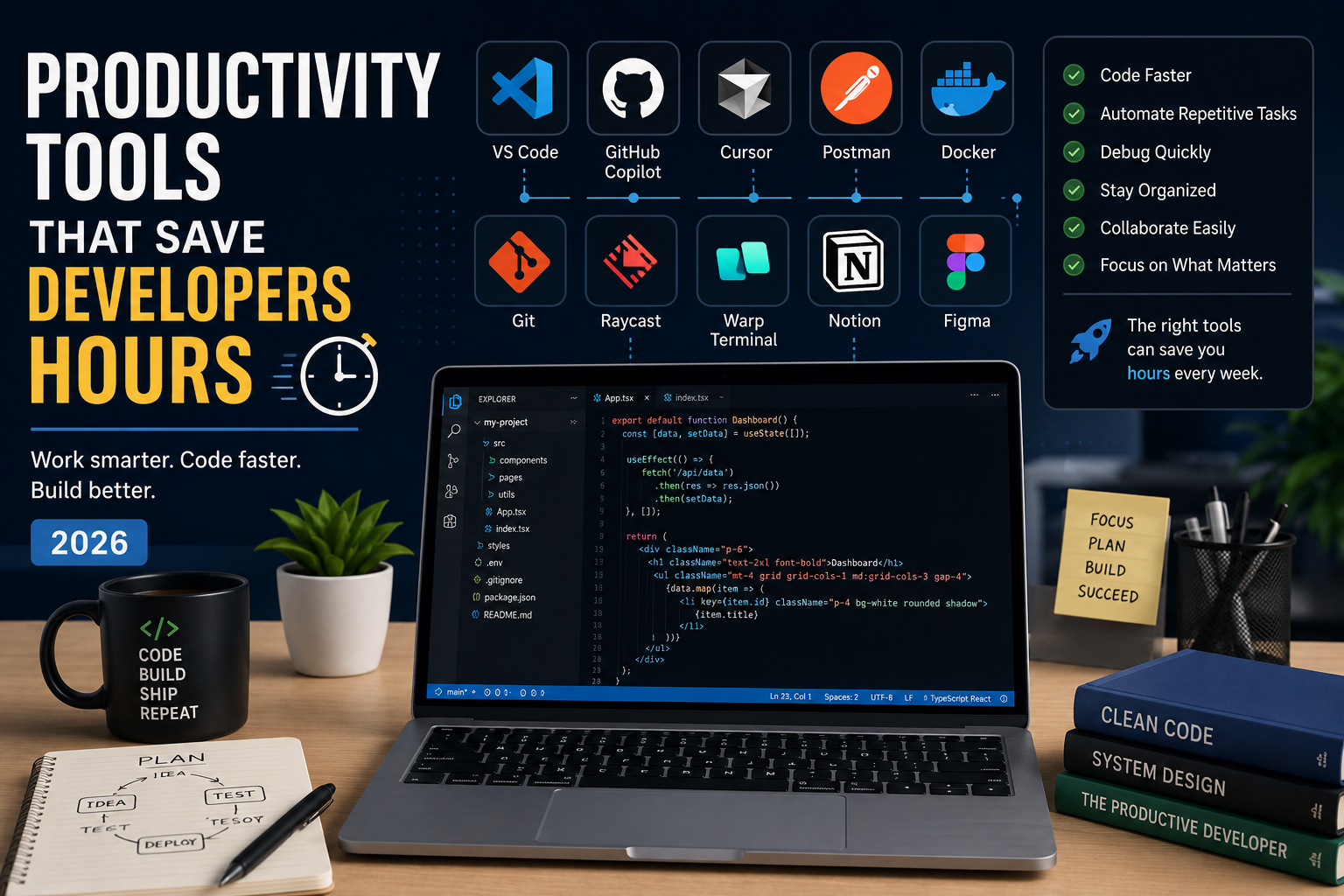
Productivity Tools That Save Developers Hours in 2026
The best developers aren't just fast—they use the right tools. From AI coding assistants to terminal upgrades and API testing platforms, these productivity tools can save developers hours every week and help them focus on building great software instead of repetitive tasks.
4 min read · 681 views
Next.js
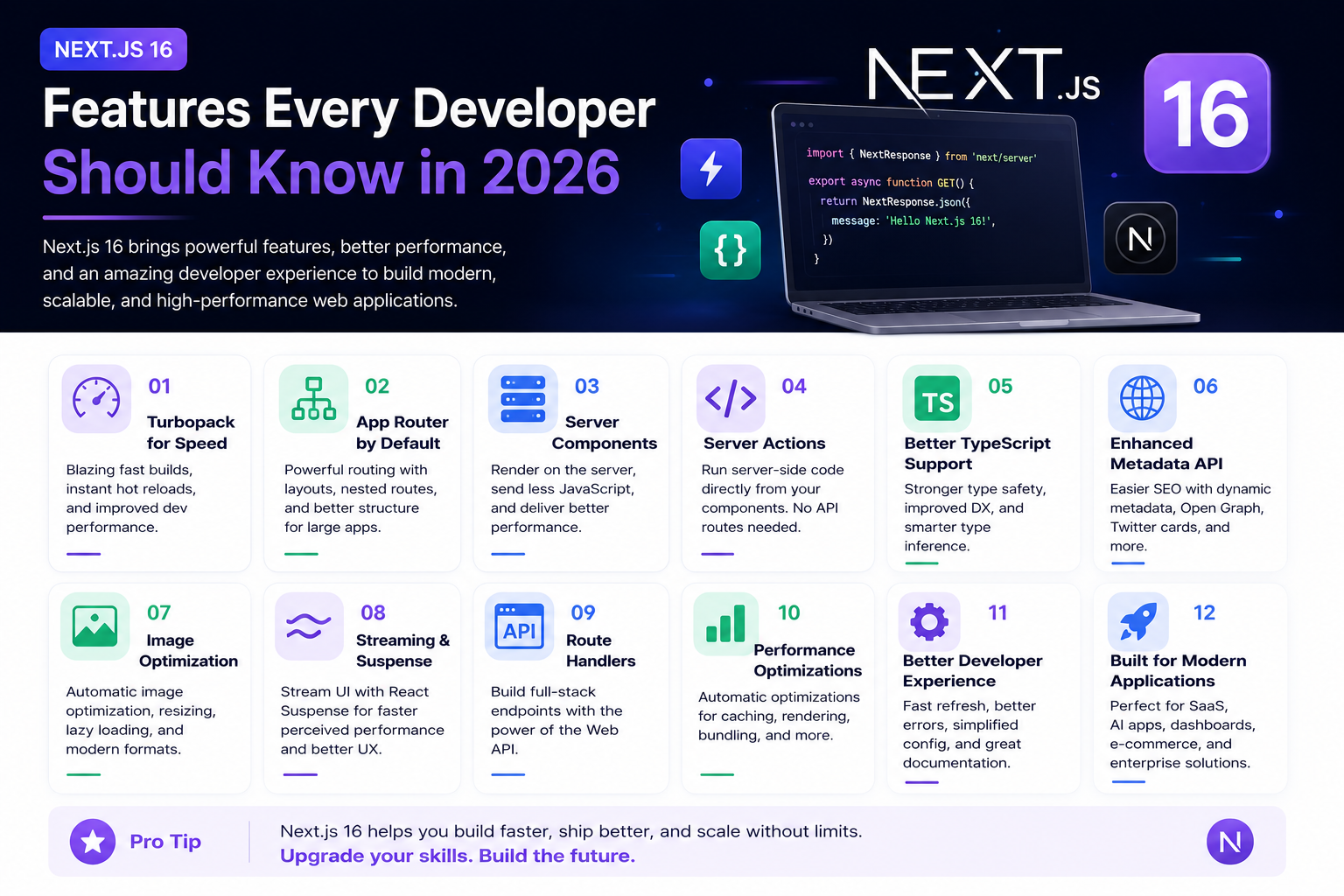
Next.js 16 Features Every Developer Should Know in 2026
Next.js 16 continues to push modern web development forward with improved performance, better developer experience, enhanced routing, and powerful server-side capabilities. Whether you're building a blog, SaaS platform, portfolio, or enterprise application, these are the most important Next.js 16 features every developer should understand.
4 min read · 192 views
Next.js
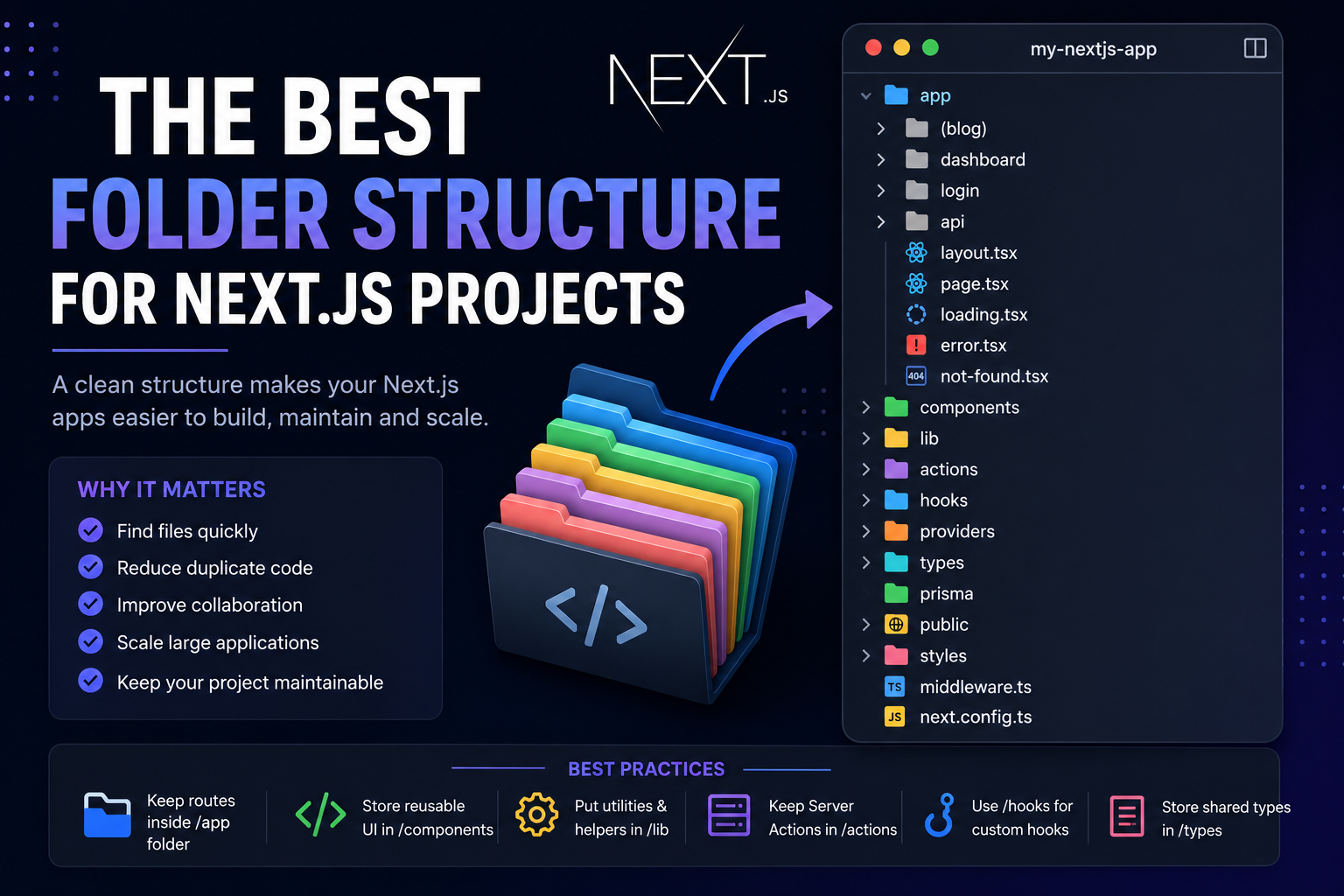
The Best Folder Structure for Next.js Projects in 2026
A clean folder structure makes every Next.js project easier to build, maintain, and scale. Discover the best folder organization for modern Next.js applications in 2026, whether you're building a blog, SaaS, dashboard, or enterprise application.
4 min read · 151 views
Trending
Popular Posts
Productivity Tools That Save Developers Hours in 2026
681 views
The Most Valuable Skills to Learn in the AI Era (2026 and Beyond)
331 views
Vibe Coding vs Learning to Code: Which Path Will Take You Further?
277 views
Next.js 16 Features Every Developer Should Know in 2026
192 views
The Best Folder Structure for Next.js Projects in 2026
151 views
Comments
No approved comments yet.