SaaS & Startups
MVP vs Perfect Product: What Really Matters?
By Yahya Saeed · 4 min read · 57 views
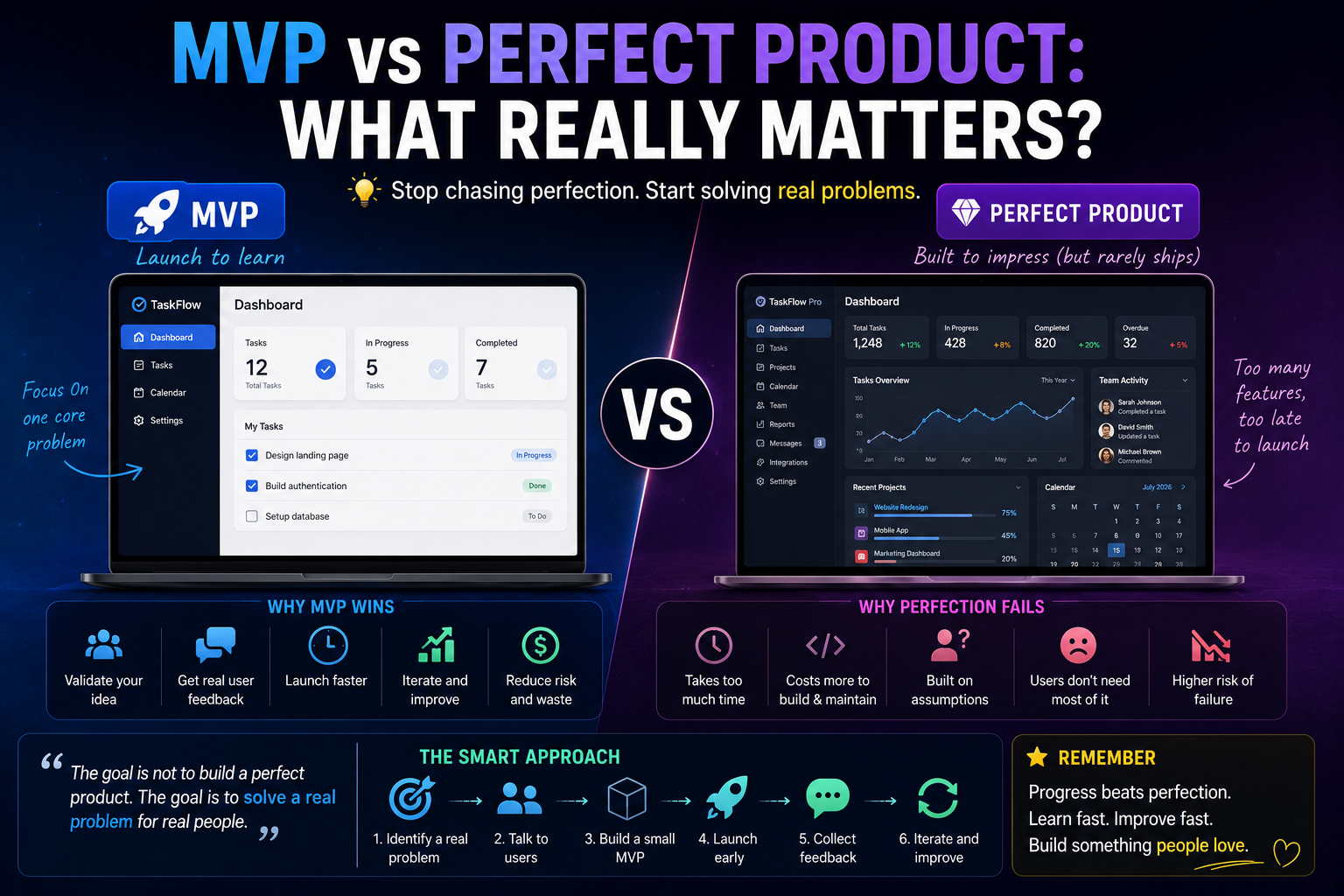
MVP vs Perfect Product: What Really Matters?
Every founder faces the same question before launching a new product:
Should I build the perfect product first, or launch a simple MVP?
It's a difficult decision.
Many developers believe users expect a polished application packed with features.
Others believe launching as quickly as possible is the smartest strategy.
The truth lies somewhere in between.
A successful SaaS isn't built by guessing what customers want—it's built by learning from real users.
That's exactly what an MVP helps you do.
In this article, we'll explore the difference between an MVP and a perfect product, why perfection can slow your progress, and what really matters when building software in 2026.
What Is an MVP?
MVP stands for Minimum Viable Product.
It is the simplest version of your product that solves one important problem for a specific group of users.
An MVP is not incomplete software.
It's complete software with only the essential features.
Its goal isn't to impress everyone.
Its goal is to learn.
What Is a Perfect Product?
A perfect product exists mostly in our imagination.
Developers often picture an application with:
Beautiful animations
Every requested feature
Advanced dashboards
AI integrations
Dark mode
Mobile apps
Reports
Notifications
Integrations
Zero bugs
Unfortunately, trying to build everything before launch usually delays the product for months or even years.
Why Developers Chase Perfection
Perfection feels safe.
Many founders think:
"I'll launch after one more feature."
"The design isn't ready."
"The dashboard needs improvement."
"The onboarding isn't perfect."
"I'll wait until there are no bugs."
The problem is that users don't care about your assumptions.
They care about whether your product solves their problem.
Why MVPs Win
An MVP gives you something far more valuable than perfection:
Real feedback.
Instead of guessing what customers want, you can observe how they actually use your product.
That information is worth far more than months of planning.
Build Less, Learn More
Every feature you build requires:
Development time
Testing
Maintenance
Documentation
Bug fixes
Future updates
If users never use that feature, all of that work was wasted.
An MVP helps you avoid unnecessary development.
Focus on One Problem
The best MVPs solve one problem exceptionally well.
Examples include:
Tracking business expenses
Managing customer credit
Booking appointments
Organizing tasks
Sending invoices
Sharing files
Trying to solve ten problems at once usually results in solving none of them particularly well.
Launch Earlier Than Feels Comfortable
One of the biggest lessons successful founders learn is this:
You're probably launching too late.
If you feel slightly uncomfortable about releasing your product, you're often closer to the right time than you think.
Real users will always discover things you missed.
Feedback Is Your Greatest Asset
After launch, pay attention to:
Customer questions
Feature requests
Bug reports
Usage patterns
Drop-off points
Support emails
Every conversation teaches you how to improve your product.
Don't Confuse Features with Value
More features don't automatically create more value.
Users pay for results, not complexity.
For example:
An expense tracker doesn't need fifty reporting options.
It needs to make expense tracking simple and reliable.
Simple products often outperform feature-heavy competitors.
Common MVP Mistakes
An MVP should be simple but not careless.
Avoid these mistakes:
Releasing buggy software
Ignoring security
Poor user experience
Confusing navigation
No onboarding
No way to collect feedback
An MVP should be small, but it should still feel professional.
Iterate Based on Data
After launching, improve your product using real evidence.
Ask questions like:
Which features are used most?
Where do users leave?
What do customers request repeatedly?
What problems remain unsolved?
Data should guide your roadmap not assumptions.
Perfection Comes Later
Many successful SaaS products looked surprisingly simple when they first launched.
Their success came from continuous improvement.
Version 1 doesn't need to be extraordinary.
Version 20 probably will be.
Progress beats perfection.
When Should You Build More Features?
Add new features only when:
Users request them repeatedly.
They solve a real problem.
They align with your product vision.
Existing features are already working well.
Every feature should have a clear purpose.
Examples of a Good MVP
A good MVP might include:
Expense Tracker
Add expenses
View history
Basic reports
Project Management Tool
Create projects
Add tasks
Mark tasks complete
Booking System
Calendar
Appointment booking
Confirmation emails
Nothing more is needed for the first version.
A Practical MVP Checklist
Before launching, ask yourself:
Does it solve one real problem?
Can users complete the main task?
Is it stable?
Is it secure?
Can I collect user feedback?
Is the interface simple?
Am I solving a problem people care about?
If the answer is yes, you're ready to launch.
Recommended Tech Stack
For building an MVP in 2026, I'd recommend:
Frontend
Next.js
React
Tailwind CSS
Backend
Next.js Server Actions
Node.js
Database
PostgreSQL
Prisma ORM
Backend Services
Supabase
Authentication
Better Auth
Deployment
Vercel
This stack enables rapid development while remaining scalable as your product grows.
What Really Matters?
Users don't remember whether your version one had twenty features.
They remember whether it solved their problem.
That's the real purpose of an MVP.
Not to build less.
But to learn faster.
The companies that succeed aren't the ones that launch perfect products.
They're the ones that improve faster than everyone else.
Final Thoughts
The debate between an MVP and a perfect product isn't really about software.
It's about mindset.
Perfection delays learning.
An MVP accelerates it.
If your product solves a meaningful problem, delivers a smooth experience, and provides real value, users will forgive missing features.
They won't forgive solving the wrong problem.
So don't spend years chasing perfection.
Build something useful.
Launch it.
Listen carefully.
Improve continuously.
That's how great products are built.
Keep reading
Related Posts
Developer Tools
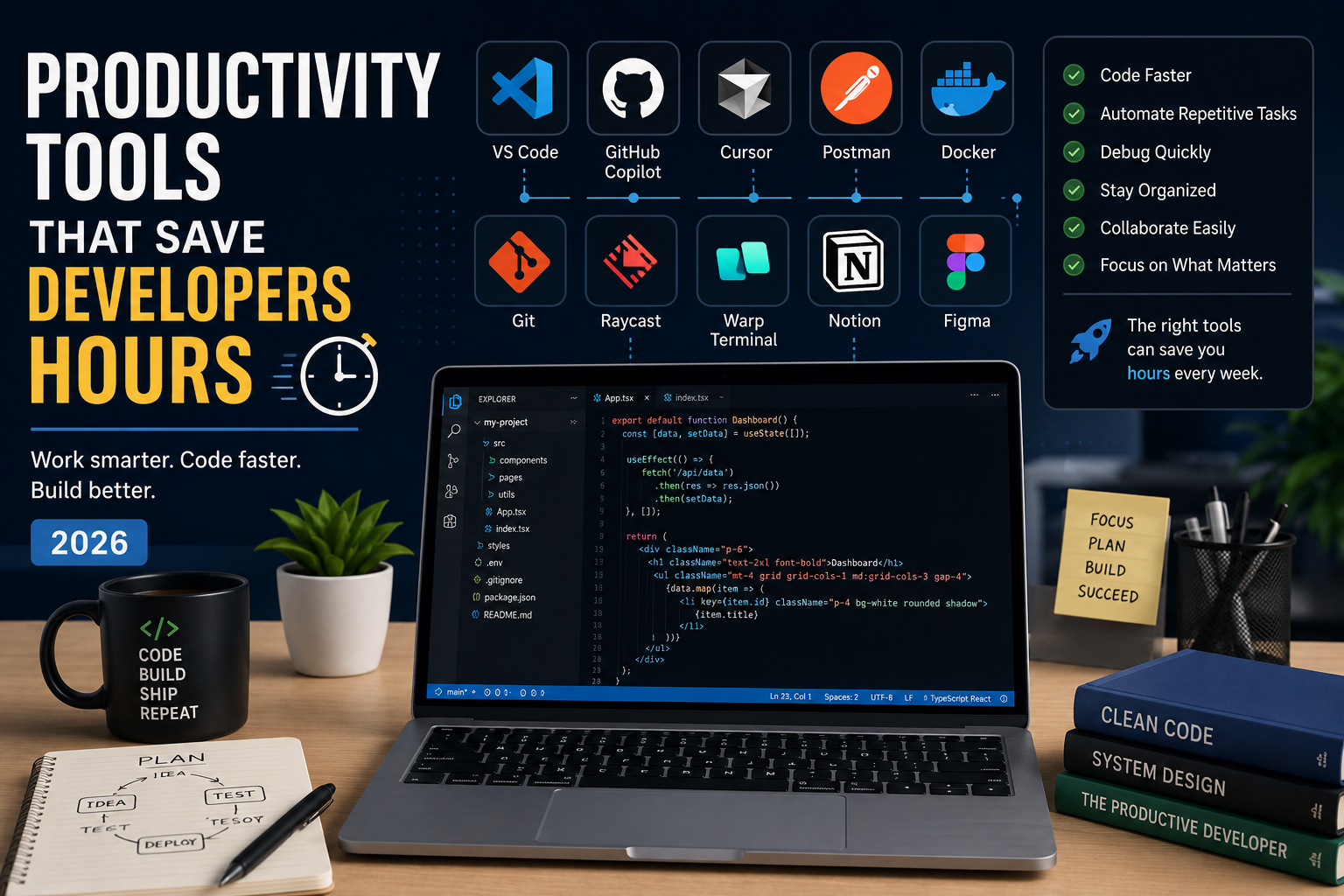
Productivity Tools That Save Developers Hours in 2026
The best developers aren't just fast—they use the right tools. From AI coding assistants to terminal upgrades and API testing platforms, these productivity tools can save developers hours every week and help them focus on building great software instead of repetitive tasks.
4 min read · 681 views
Career & Technology
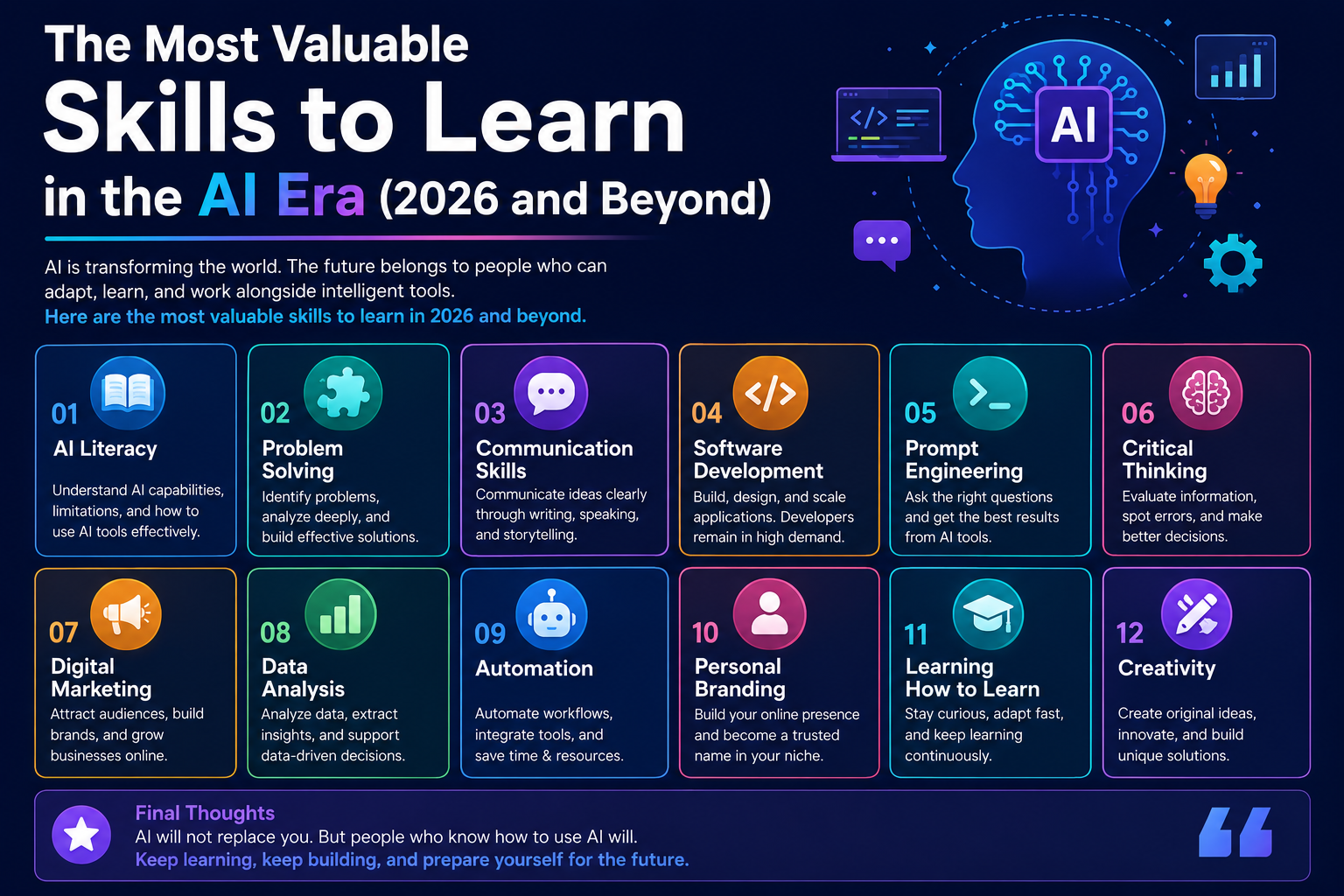
The Most Valuable Skills to Learn in the AI Era (2026 and Beyond)
Artificial Intelligence is changing how we work, learn, and build products. Some skills are becoming less valuable, while others are becoming more important than ever. If you want to stay relevant and thrive in 2026 and beyond, these are the skills you should focus on developing.
4 min read · 331 views
Programming
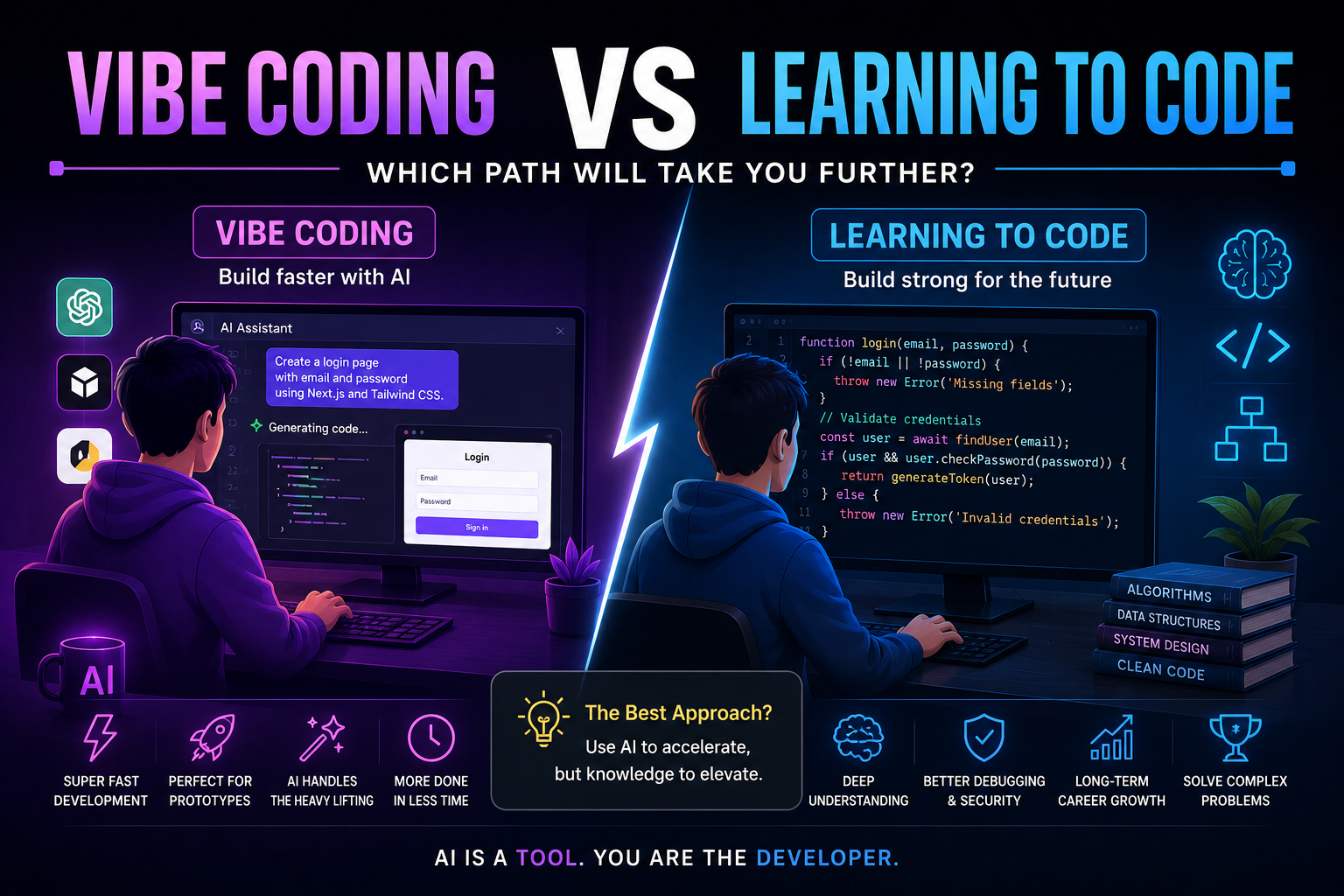
Vibe Coding vs Learning to Code: Which Path Will Take You Further?
AI can build apps faster than ever, leading to the rise of "vibe coding." But does that mean learning to code is no longer necessary? Let's explore the strengths, weaknesses, and future of both approaches to discover which path offers the greatest long-term value.
4 min read · 277 views
Trending
Popular Posts
Productivity Tools That Save Developers Hours in 2026
681 views
The Most Valuable Skills to Learn in the AI Era (2026 and Beyond)
331 views
Vibe Coding vs Learning to Code: Which Path Will Take You Further?
277 views
Next.js 16 Features Every Developer Should Know in 2026
192 views
The Best Folder Structure for Next.js Projects in 2026
152 views
Comments
No approved comments yet.