CSS
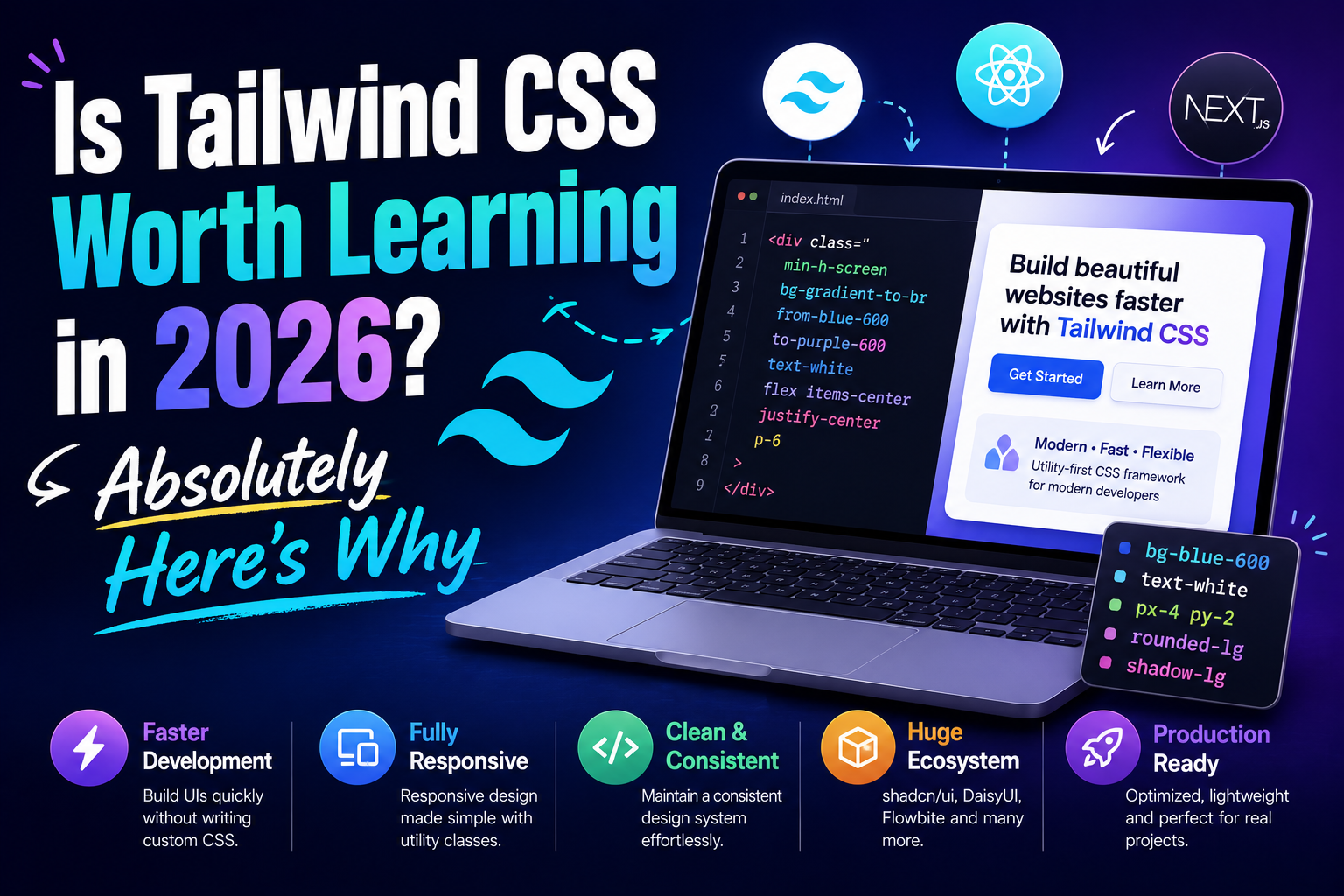
Is Tailwind CSS Worth Learning in 2026? Absolutely Here's Why
By Yahya Saeed · 4 min read · 104 views
Introduction
Frontend development has changed dramatically over the past few years.
Traditional CSS workflows that relied on massive stylesheets and complicated class naming systems are slowly being replaced by more efficient approaches.
One of the biggest winners of this shift is Tailwind CSS.
From startups and SaaS products to enterprise applications, Tailwind has become a common choice for developers who want to build modern interfaces quickly.
But technology moves fast.
Many developers wonder whether Tailwind is still worth learning in 2026.
The answer is simple:
Yes. More than ever.
What Is Tailwind CSS?
Tailwind CSS is a utility-first CSS framework.
Instead of writing custom CSS classes for every element, you use pre-built utility classes directly in your markup.
For example:
<button class="bg-blue-600 text-white px-4 py-2 rounded-lg">
  Get Started
</button>
Instead of creating a separate CSS file, styling happens directly where the component is built.
This approach may seem unusual at first, but it offers several major advantages.
Faster Development
One of Tailwind's biggest strengths is speed.
You don't need to:
Create CSS files
Think of class names
Switch constantly between files
Everything is built directly in your components.
For solo developers and freelancers, this can dramatically reduce development time.
Building interfaces becomes much faster.
Perfect for React and Next.js
Modern frontend development is heavily component-based.
Frameworks like:
React
Next.js
Vue
Svelte
all work exceptionally well with Tailwind.
Since styles stay close to the components they belong to, projects become easier to maintain.
This is one reason why Next.js and Tailwind CSS have become one of the most popular combinations in web development.
Consistent Design Systems
Large projects often suffer from inconsistent design.
Different developers may use:
Different colors
Different spacing
Different font sizes
Tailwind solves this problem by encouraging a consistent design system.
Using predefined spacing, typography, and color utilities helps maintain a professional appearance across the entire application.
Responsive Design Is Easy
Responsive design is essential in 2026.
Tailwind makes it incredibly simple.
Example:
<h1 class="text-2xl md:text-4xl lg:text-6xl">
  Hello World
</h1>
Without writing media queries manually, you can create layouts that adapt beautifully across devices.
This saves time and reduces complexity.
Excellent Ecosystem
Tailwind's ecosystem has grown enormously.
Popular tools include:
shadcn/ui
DaisyUI
Flowbite
Headless UI
These libraries allow developers to build professional interfaces in a fraction of the time.
The ecosystem alone makes Tailwind worth learning.
Smaller Production CSS
One common misconception is that Tailwind creates huge CSS files.
Modern Tailwind builds remove unused classes automatically.
The result is:
Smaller CSS bundles
Faster loading pages
Better performance
Your production application only includes the styles it actually uses.
Great for Freelancers
Freelancers often need to:
Build quickly
Deliver projects fast
Maintain projects easily
Tailwind helps achieve all three goals.
Many freelancers report significantly faster project delivery times after switching to Tailwind.
Faster development often means more completed projects and happier clients.
Why Some Developers Dislike Tailwind
Tailwind isn't perfect.
The most common criticism is:
"HTML becomes cluttered with classes."
This criticism is understandable.
Some components can contain many utility classes.
However, many developers eventually find that maintaining utility classes is easier than maintaining large CSS files.
It becomes a trade-off between cleaner markup and easier maintenance.
For many teams, the benefits outweigh the drawbacks.
Should Beginners Learn Tailwind?
Absolutely.
If you're learning:
React
Next.js
Frontend Development
SaaS Development
Tailwind is one of the best tools you can add to your skill set.
The learning curve is relatively small, and the productivity gains are substantial.
Will Tailwind Stay Relevant?
No one can predict the future perfectly.
However, Tailwind's adoption continues to grow.
It is used by:
Startups
Agencies
SaaS companies
Enterprise teams
Freelancers
Its ecosystem is thriving, and new tools continue to be built around it.
All signs suggest Tailwind will remain highly relevant for years to come.
Final Thoughts
Tailwind CSS isn't just another CSS framework.
It has fundamentally changed how many developers build user interfaces.
Its combination of speed, consistency, flexibility, and developer experience makes it one of the most valuable frontend tools available today.
If you're building modern web applications in 2026, learning Tailwind CSS is absolutely worth your time.
Whether you're a beginner, freelancer, startup founder, or experienced developer, Tailwind can help you build faster, maintain less code, and create better user experiences.
And in modern web development, that's a powerful advantage.
Keep reading
Related Posts

Programming
Vibe Coding vs Learning to Code: Which Path Will Take You Further?
AI can build apps faster than ever, leading to the rise of "vibe coding." But does that mean learning to code is no longer necessary? Let's explore the strengths, weaknesses, and future of both approaches to discover which path offers the greatest long-term value.
4 min read · 277 views
Next.js
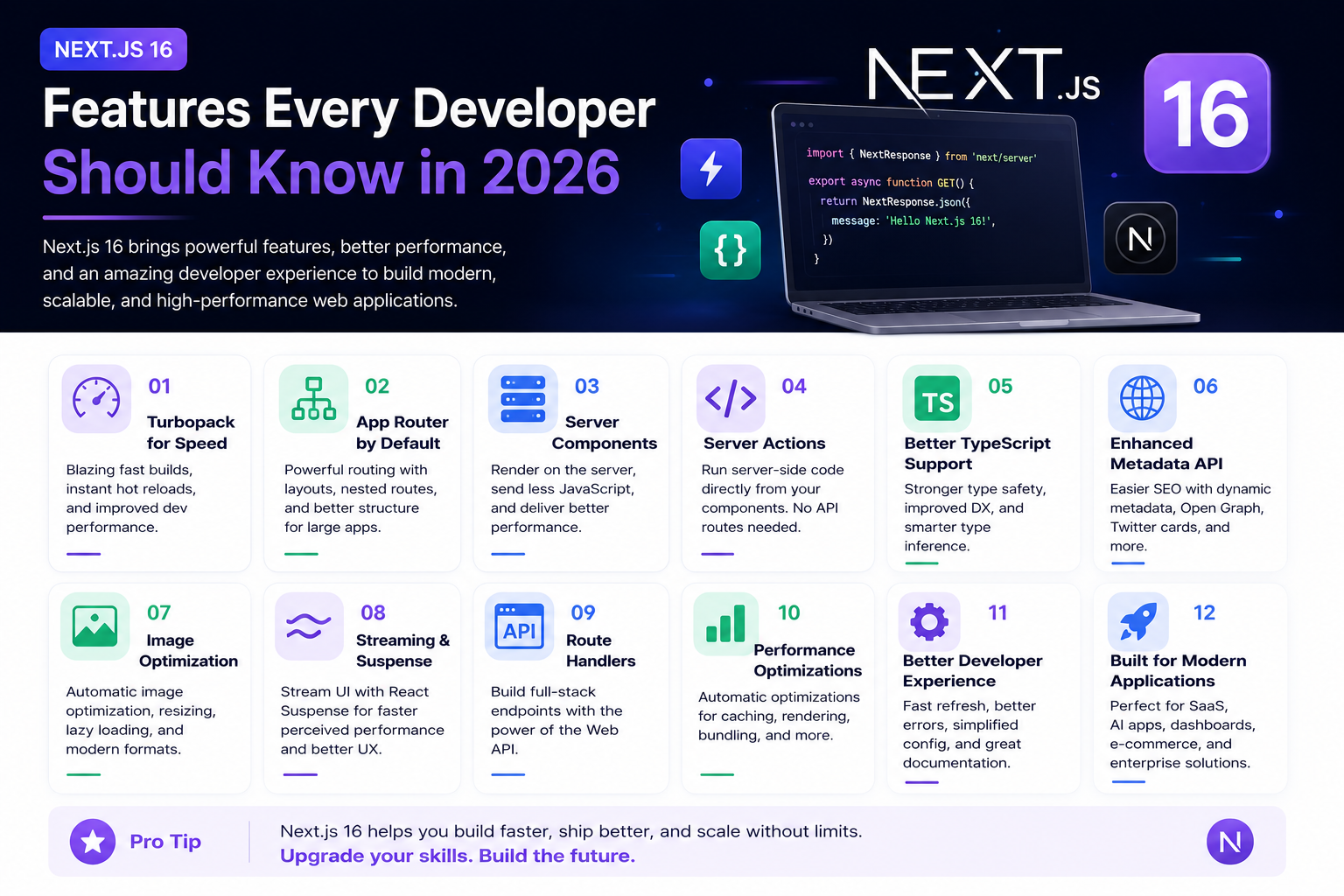
Next.js 16 Features Every Developer Should Know in 2026
Next.js 16 continues to push modern web development forward with improved performance, better developer experience, enhanced routing, and powerful server-side capabilities. Whether you're building a blog, SaaS platform, portfolio, or enterprise application, these are the most important Next.js 16 features every developer should understand.
4 min read · 192 views
Next.js
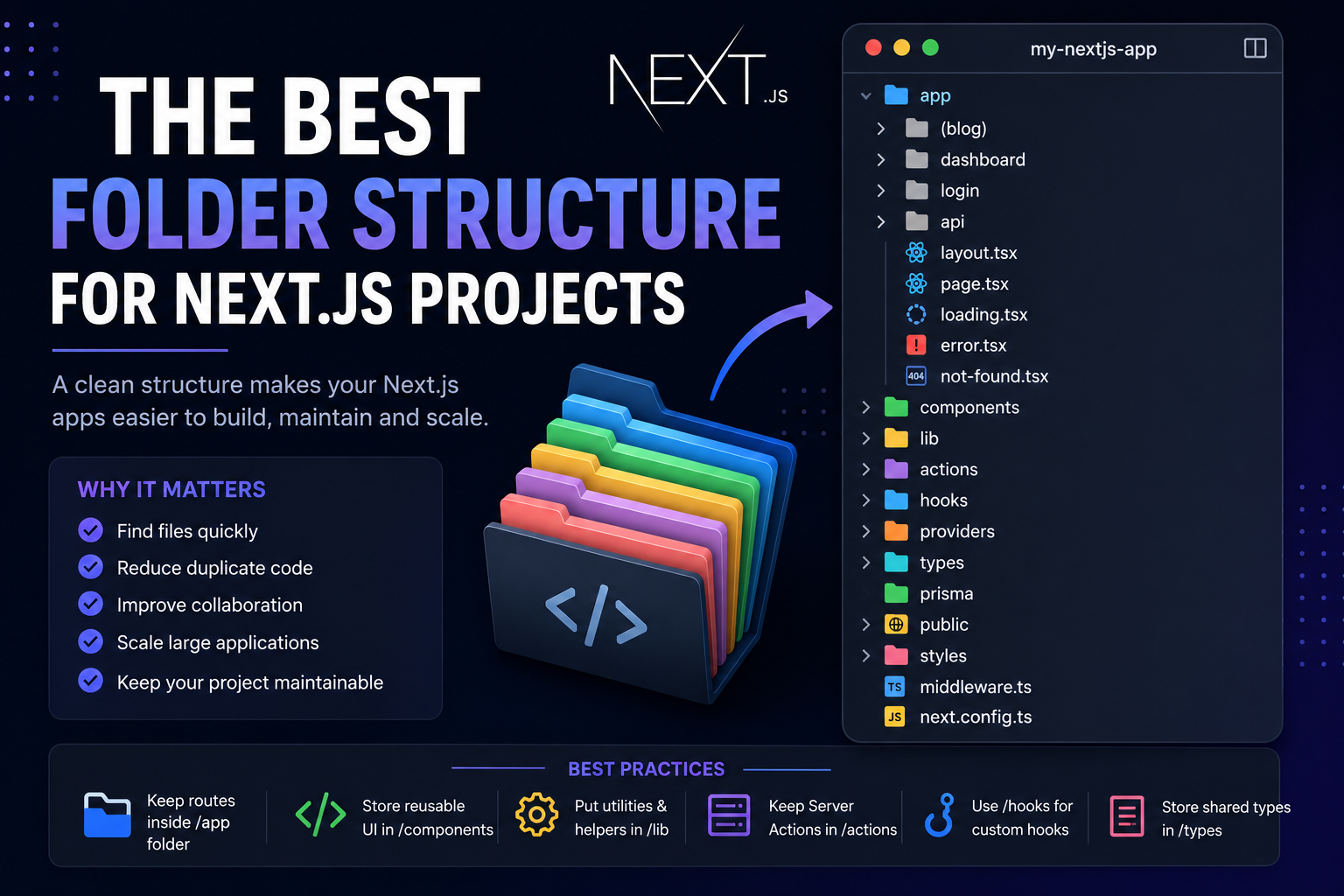
The Best Folder Structure for Next.js Projects in 2026
A clean folder structure makes every Next.js project easier to build, maintain, and scale. Discover the best folder organization for modern Next.js applications in 2026, whether you're building a blog, SaaS, dashboard, or enterprise application.
4 min read · 152 views
Trending
Popular Posts
Productivity Tools That Save Developers Hours in 2026
681 views
The Most Valuable Skills to Learn in the AI Era (2026 and Beyond)
331 views
Vibe Coding vs Learning to Code: Which Path Will Take You Further?
277 views
Next.js 16 Features Every Developer Should Know in 2026
192 views
The Best Folder Structure for Next.js Projects in 2026
152 views
Comments
No approved comments yet.