AI & SaaS
Can You Build a SaaS Using Only AI in 2026? The Honest Answer
By Yahya Saeed · 4 min read · 104 views
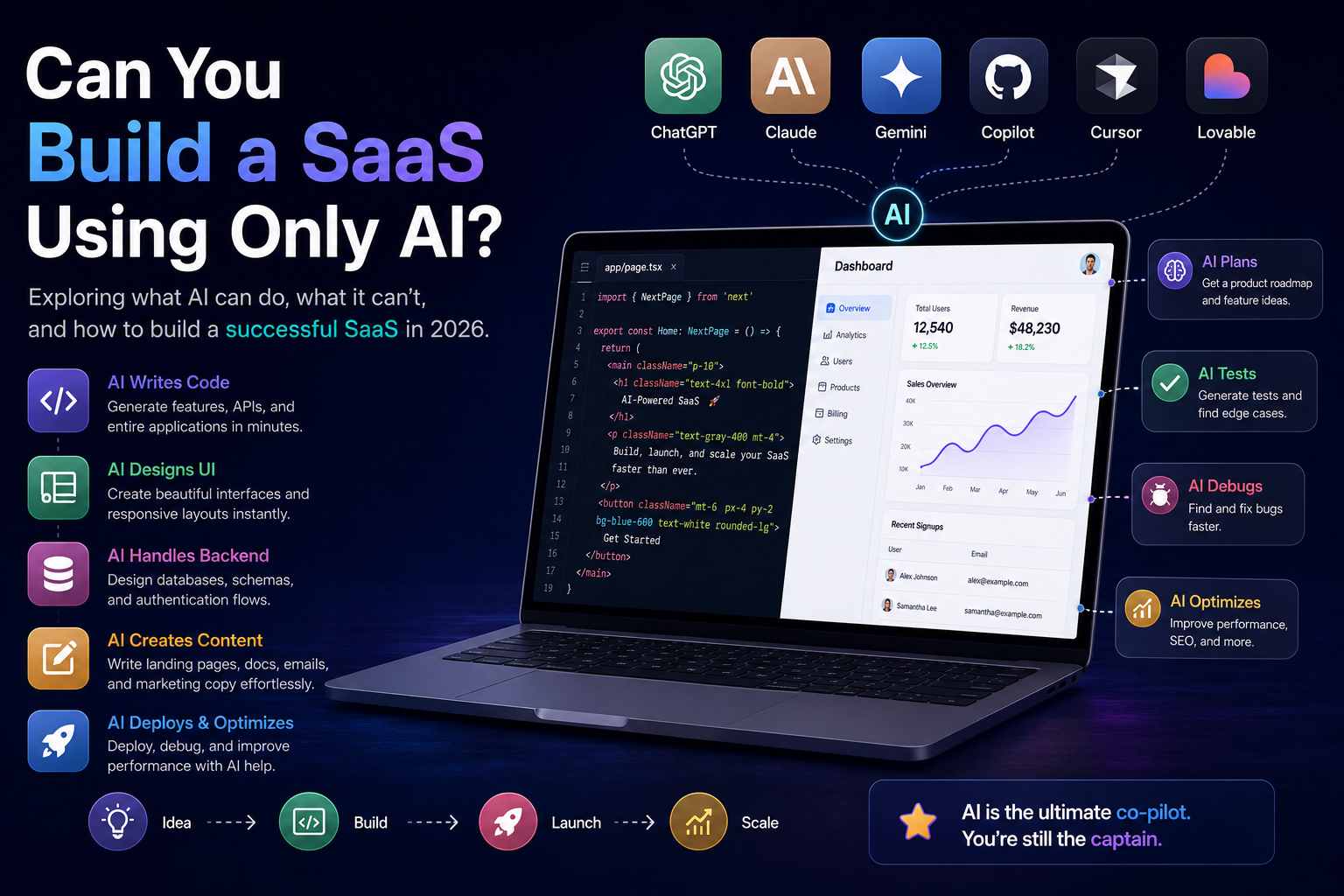
Can You Build a SaaS Using Only AI in 2026? The Honest Answer
The rise of AI has created a new dream for aspiring entrepreneurs:
"What if I could build an entire SaaS business without learning to code?"
With tools like ChatGPT, Claude, Gemini, GitHub Copilot, Cursor, Bolt, Lovable, and countless AI assistants, this question feels more realistic than ever.
AI can generate code.
AI can design interfaces.
AI can write marketing copy.
AI can create documentation.
AI can even help deploy applications.
So the question becomes:
Can AI build an entire SaaS product by itself?
The short answer is:
Almost—but not completely.
Let's explore why.
What AI Can Already Do
Modern AI tools are incredibly capable.
Today, AI can help with:
Writing Code
AI can generate:
React components
Next.js pages
APIs
Database schemas
Authentication flows
CRUD operations
Many developers now build features in minutes that previously took hours.
UI Design
AI can create:
Landing pages
Dashboards
Admin panels
Mobile layouts
Marketing websites
Some AI tools can generate complete user interfaces from simple prompts.
Database Design
AI can help create:
PostgreSQL schemas
Prisma models
Drizzle schemas
Relationships
Migrations
It can also explain database concepts and optimize queries.
Content Creation
AI can generate:
Blog posts
Product descriptions
Documentation
Email campaigns
Social media content
This significantly reduces marketing effort.
Debugging
AI excels at:
Finding bugs
Explaining errors
Suggesting fixes
Refactoring code
Many developers now use AI as their first debugging tool.
What AI Cannot Fully Do
This is where reality becomes important.
Despite all the hype, AI still struggles with several critical areas.
Understanding Real Customer Problems
The hardest part of building a SaaS is not coding.
It's identifying a problem worth solving.
AI can suggest ideas.
But it doesn't truly understand:
Customer pain points
Market demand
User frustrations
Business opportunities
Humans still have a major advantage here.
Product Strategy
A successful SaaS requires decisions about:
Features
Pricing
Positioning
Marketing
User experience
AI can provide suggestions.
But it cannot replace human judgment and experience.
Long-Term Architecture
AI can generate code quickly.
However, maintaining a large application requires:
Consistent architecture
Scalability planning
Technical decisions
System design
These areas still benefit greatly from human oversight.
Decision Making
When multiple solutions exist, someone must decide:
Which approach is best
Which trade-offs matter
Which features to prioritize
AI provides options.
Humans choose direction.
The Rise of Vibe Coding
A new trend known as "vibe coding" has become increasingly popular.
The idea is simple:
Instead of manually writing code, developers describe what they want.
AI generates most of the implementation.
This allows founders to build prototypes rapidly.
Many successful products now start this way.
However, vibe coding works best when the founder still understands technology at a basic level.
Otherwise, debugging and scaling become difficult.
Could a Non-Developer Build a SaaS?
Yes.
But there are limitations.
A motivated non-developer can use AI to:
Build a landing page
Create a database
Set up authentication
Launch an MVP
Gather user feedback
This would have been extremely difficult only a few years ago.
However, as the application grows, technical knowledge becomes increasingly valuable.
The Biggest Mistake Founders Make
Many people believe:
AI builds products. Therefore success is easy.
This is false.
Most SaaS products fail not because of code.
They fail because:
Nobody wants them
Marketing is weak
The problem isn't important
The pricing is wrong
AI can help build software.
It cannot automatically create demand.
What Actually Creates a Successful SaaS
Successful SaaS businesses usually require:
A Valuable Problem
The bigger the problem, the bigger the opportunity.
A Clear Audience
You need to know exactly who you're helping.
Effective Marketing
Even great products fail without visibility.
Consistent Improvement
Successful founders listen to users and iterate constantly.
Persistence
Most successful SaaS products take months or years to grow.
AI cannot replace persistence.
The Best Approach in 2026
The strongest founders combine:
Human creativity
Business understanding
Customer research
AI-powered development
This combination is incredibly powerful.
Instead of spending weeks building features, founders can spend more time:
Talking to users
Improving products
Growing their businesses
AI becomes a force multiplier.
My Experience as a Modern Developer
Many developers today use AI daily.
Not because they cannot code.
But because AI helps them:
Build faster
Learn faster
Experiment faster
Ship faster
The best developers are not avoiding AI.
They're mastering it.
The same principle applies to SaaS founders.
So, Can You Build a SaaS Using Only AI?
Technically?
Almost.
Practically?
Not entirely.
AI can generate much of the code and content.
But humans still provide:
Vision
Direction
Product decisions
Customer understanding
Business strategy
Those pieces remain essential.
Final Thoughts
AI is changing software development faster than any technology before it.
The barrier to building software has never been lower.
A single founder can now accomplish what once required an entire team.
But building a successful SaaS is about much more than generating code.
The winners in 2026 won't be people who rely entirely on AI.
They'll be the people who combine human insight with AI-powered execution.
AI can help you build the product.
You still have to build the business.
And that's where the real challenge—and opportunity—begins.
Keep reading
Related Posts
Developer Tools
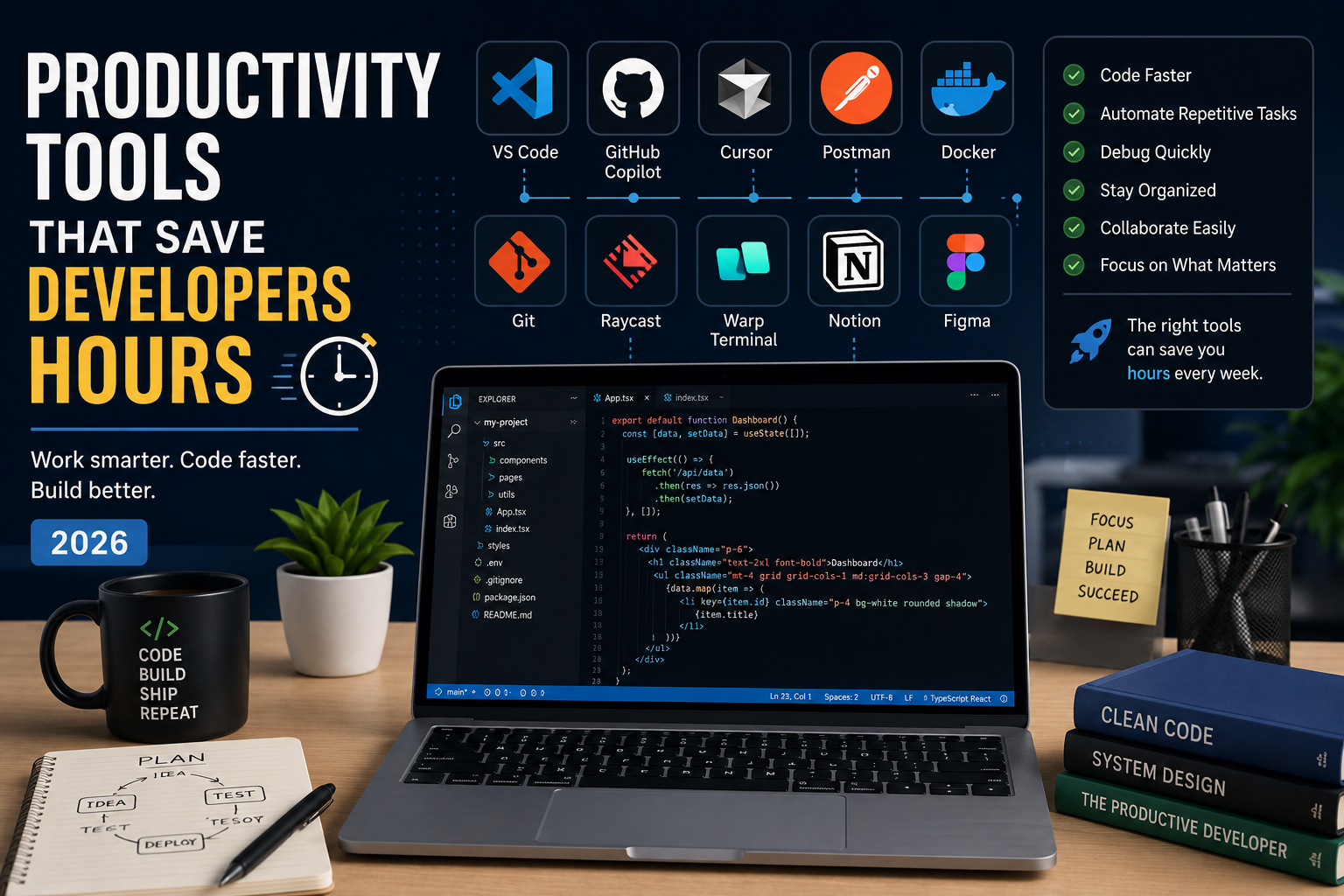
Productivity Tools That Save Developers Hours in 2026
The best developers aren't just fast—they use the right tools. From AI coding assistants to terminal upgrades and API testing platforms, these productivity tools can save developers hours every week and help them focus on building great software instead of repetitive tasks.
4 min read · 681 views
Career & Technology
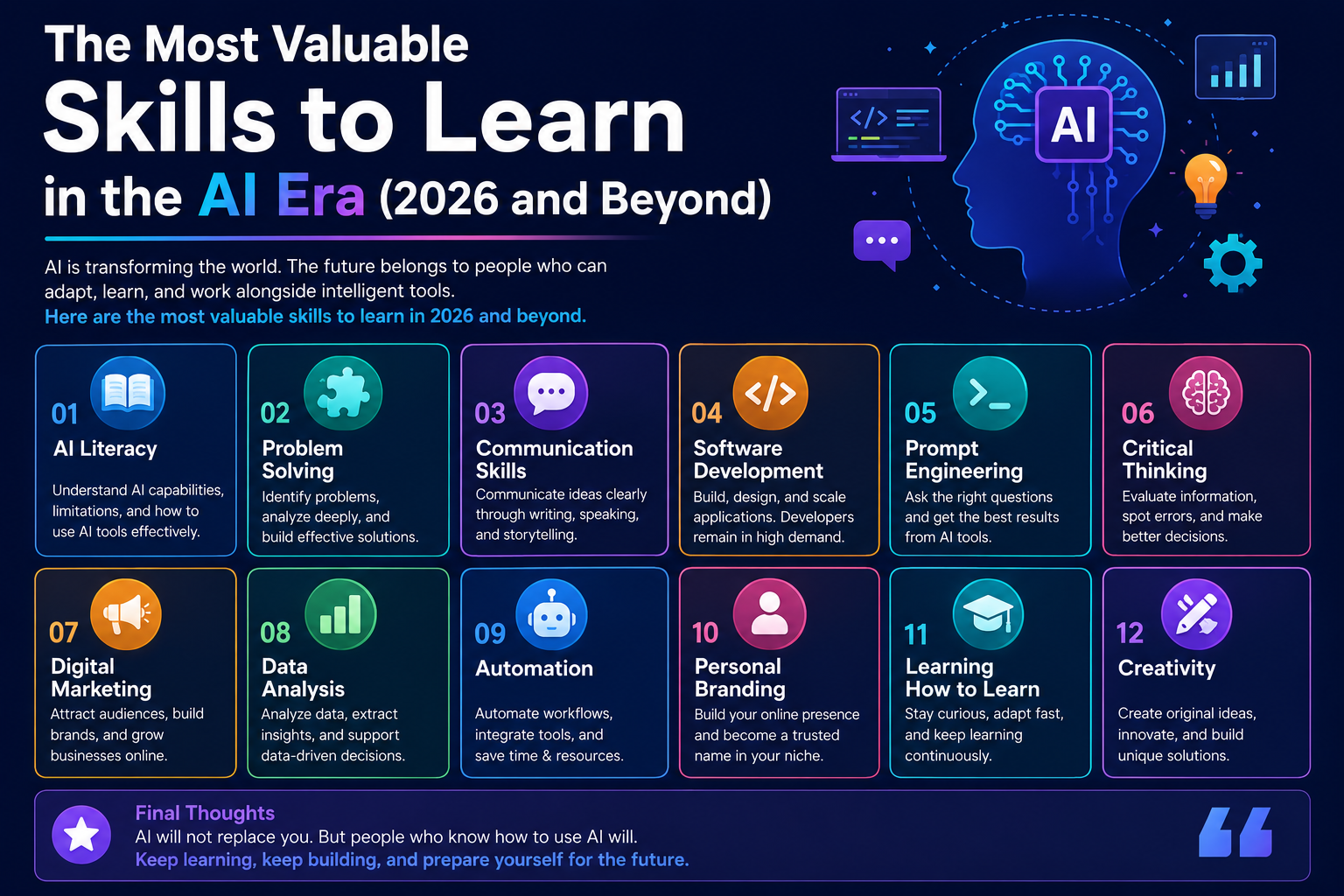
The Most Valuable Skills to Learn in the AI Era (2026 and Beyond)
Artificial Intelligence is changing how we work, learn, and build products. Some skills are becoming less valuable, while others are becoming more important than ever. If you want to stay relevant and thrive in 2026 and beyond, these are the skills you should focus on developing.
4 min read · 331 views
Programming
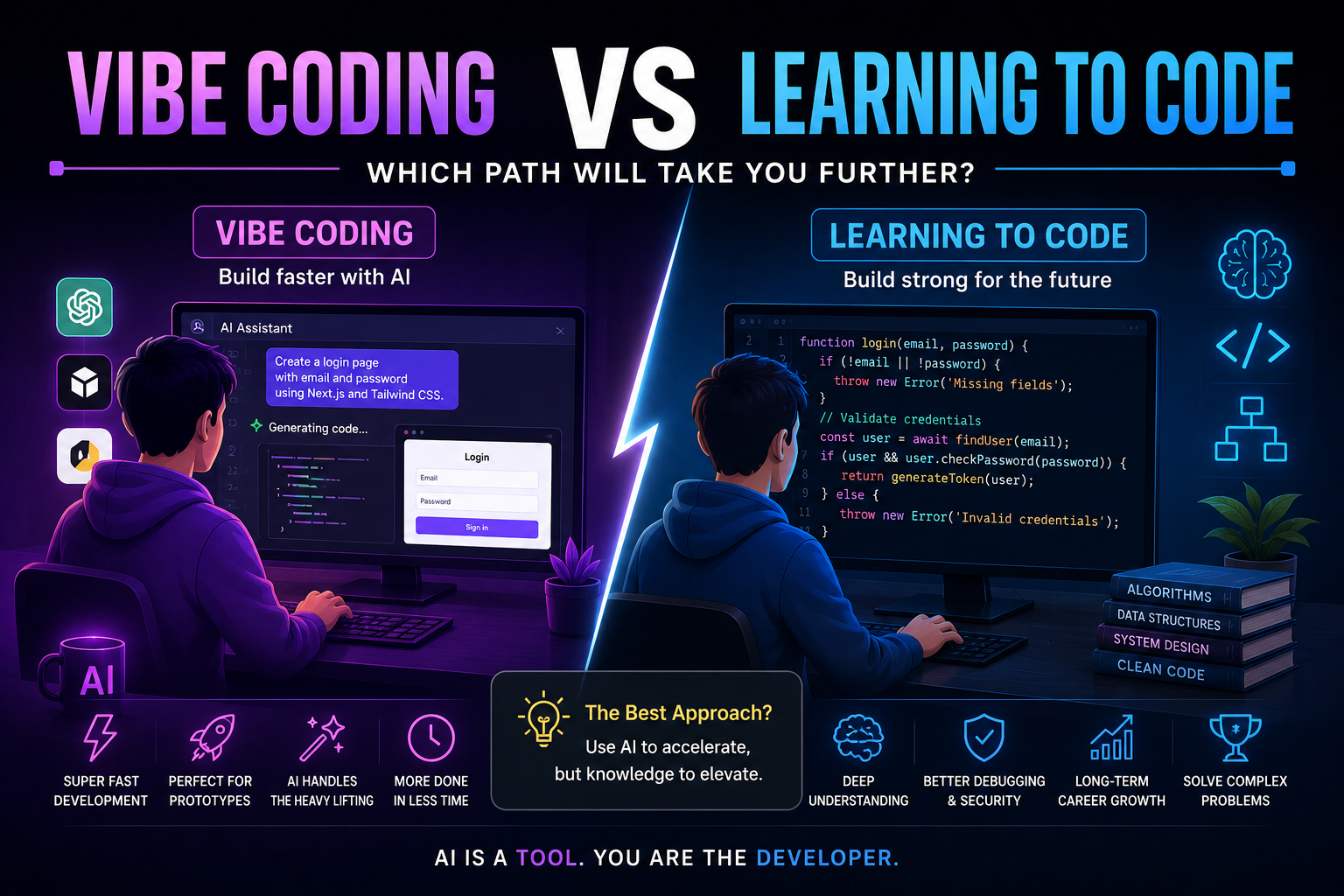
Vibe Coding vs Learning to Code: Which Path Will Take You Further?
AI can build apps faster than ever, leading to the rise of "vibe coding." But does that mean learning to code is no longer necessary? Let's explore the strengths, weaknesses, and future of both approaches to discover which path offers the greatest long-term value.
4 min read · 277 views
Trending
Popular Posts
Productivity Tools That Save Developers Hours in 2026
681 views
The Most Valuable Skills to Learn in the AI Era (2026 and Beyond)
331 views
Vibe Coding vs Learning to Code: Which Path Will Take You Further?
277 views
Next.js 16 Features Every Developer Should Know in 2026
192 views
The Best Folder Structure for Next.js Projects in 2026
152 views
Comments
No approved comments yet.