Artificial Intelligence
AI Is Not a Threat but a Tool: Why the Future Belongs to Those Who Learn It
By Yahya Saeed · 4 min read · 88 views
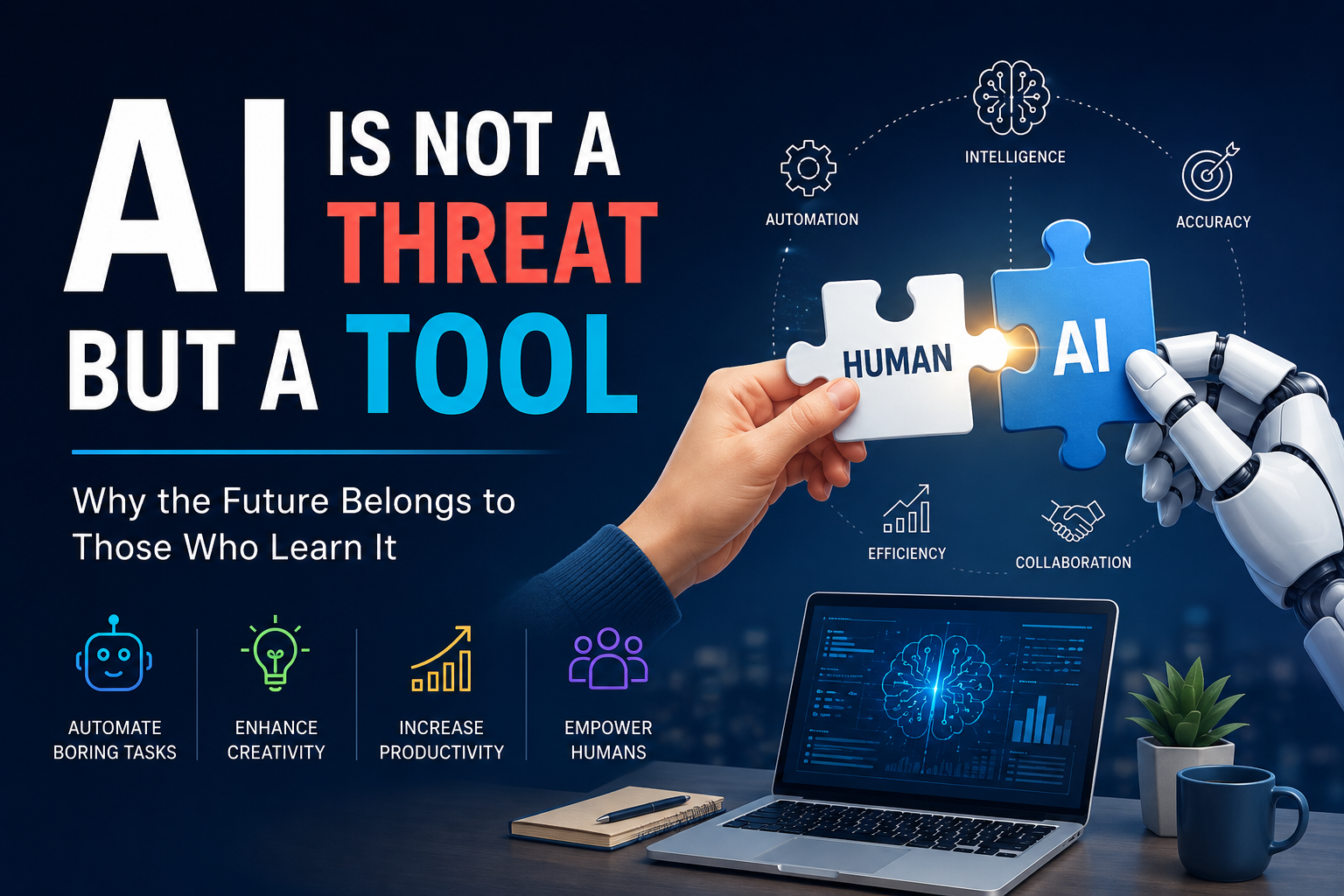
AI Is Not a Threat but a Tool: Why the Future Belongs to Those Who Learn It
Artificial Intelligence has become one of the most discussed technologies of the modern era. Every day, new headlines warn that AI will replace jobs, automate industries, and make human skills obsolete. While these concerns are understandable, they often overlook a fundamental truth: AI is not a threat.it is a tool.
Throughout history, technological innovations have changed the way humans work. The printing press transformed communication, the steam engine revolutionized transportation, and computers reshaped nearly every profession. Each breakthrough created fear and uncertainty, yet society ultimately adapted and benefited from the new possibilities these technologies introduced.
AI represents the next chapter in this story.
Understanding AI as a Tool
A hammer can build a house or break a window. A computer can be used to create software, design buildings, or simply browse the internet. Technology itself is neither good nor bad; its value depends on how humans use it.
Artificial Intelligence follows the same principle. AI systems can analyze large amounts of information, identify patterns, generate content, and automate repetitive tasks. These capabilities make people more productive, allowing them to focus on creativity, problem-solving, and decision-making.
Rather than replacing human intelligence, AI often amplifies it.
The Jobs Debate
One of the most common fears surrounding AI is job loss. While it is true that automation can reduce the need for certain repetitive tasks, history shows that technological progress rarely eliminates work altogether. Instead, it changes the nature of work.
When calculators became widely available, mathematicians did not disappear. When computers entered offices, businesses did not stop hiring employees. Instead, workers learned new skills and adapted to new tools.
The same pattern is emerging with AI. Professionals who understand how to use AI effectively are becoming more productive than ever. Developers use AI to write code faster. Designers use AI to generate concepts. Writers use AI to brainstorm ideas and improve drafts. Businesses use AI to analyze data and make better decisions.
The future will not belong to AI alone. It will belong to people who know how to work alongside AI.
AI as a Productivity Multiplier
One of the greatest strengths of AI is its ability to save time. Tasks that once required hours can now be completed in minutes.
Consider a software developer building a web application. Instead of spending hours searching documentation, AI can provide explanations, code examples, and troubleshooting assistance almost instantly.
A marketer can use AI to generate content ideas, summarize reports, and analyze customer behavior. A teacher can create lesson plans more efficiently. A doctor can review information faster and identify relevant patterns.
In each case, AI does not replace expertise. It enhances it.
The Human Advantage
Despite its impressive capabilities, AI has significant limitations. It lacks true understanding, emotional intelligence, ethics, empathy, and human judgment.
Humans excel at creativity, leadership, communication, and critical thinking. These qualities remain difficult to automate because they depend on experience, context, and emotional awareness.
The most successful individuals in the coming years will likely be those who combine human strengths with AI-powered tools.
Learning AI Is Becoming Essential
Just as computer literacy became an important skill in the digital age, AI literacy is becoming increasingly valuable.
Learning AI does not necessarily mean becoming a machine learning engineer. It means understanding what AI can do, recognizing its limitations, and knowing how to use it effectively in your field.
Whether you are a student, entrepreneur, developer, designer, teacher, or healthcare professional, AI can help you work smarter and achieve better results.
Ignoring AI will not stop its growth. Learning it can help you benefit from it.
Conclusion
Artificial Intelligence is not a threat to humanity. It is one of the most powerful tools humans have ever created. Like every major technological advancement before it, AI will reshape industries, create new opportunities, and change how we work.
The question is not whether AI will become part of our future. The question is how we choose to use it.
Those who fear AI may fall behind. Those who learn, adapt, and embrace it will be better positioned to thrive in the years ahead.
AI is not replacing human potential—it is expanding it.
Keep reading
Related Posts
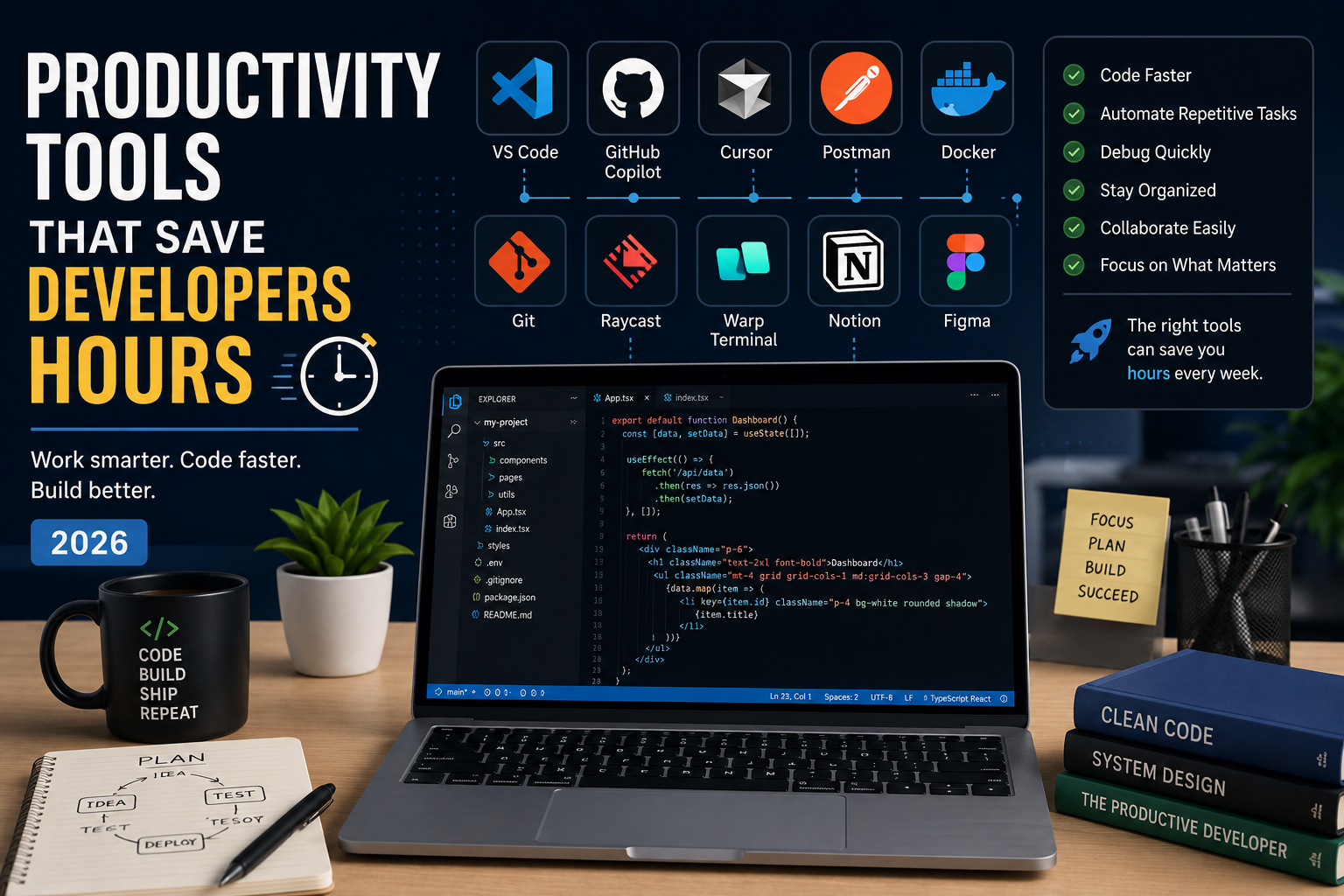
Developer Tools
Productivity Tools That Save Developers Hours in 2026
The best developers aren't just fast—they use the right tools. From AI coding assistants to terminal upgrades and API testing platforms, these productivity tools can save developers hours every week and help them focus on building great software instead of repetitive tasks.
4 min read · 681 views
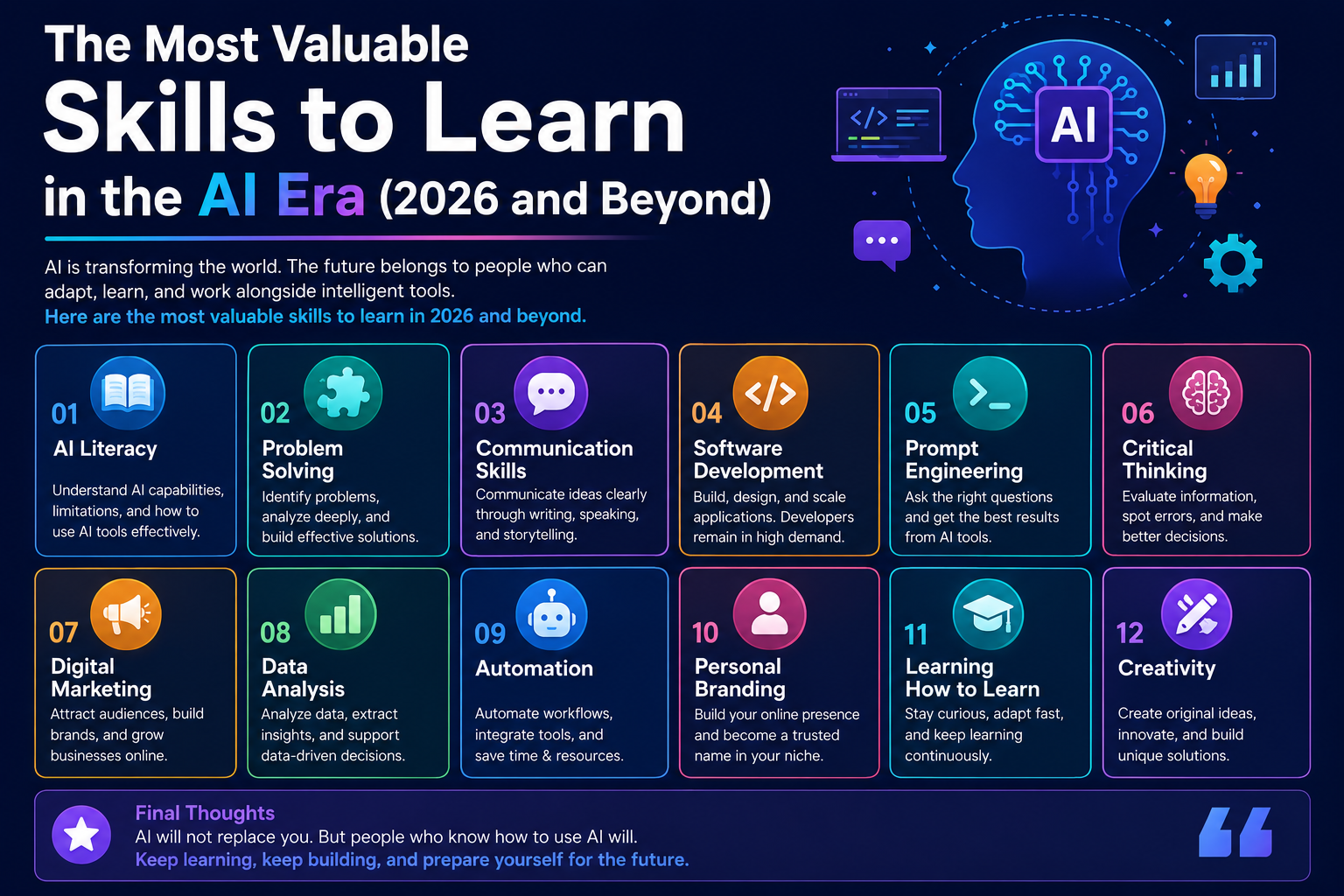
Career & Technology
The Most Valuable Skills to Learn in the AI Era (2026 and Beyond)
Artificial Intelligence is changing how we work, learn, and build products. Some skills are becoming less valuable, while others are becoming more important than ever. If you want to stay relevant and thrive in 2026 and beyond, these are the skills you should focus on developing.
4 min read · 331 views
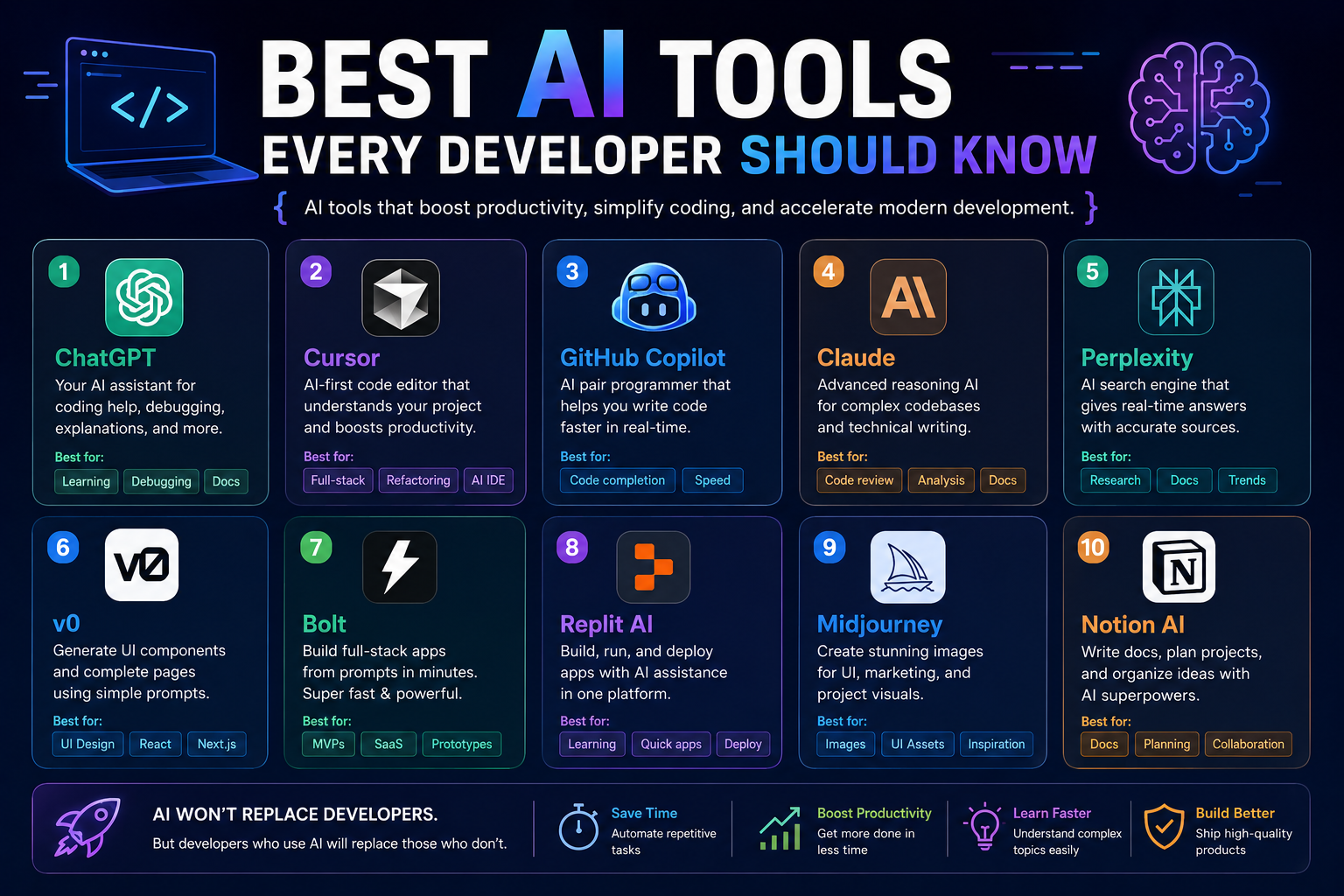
Artificial Intelligence
Best AI Tools Every Developer Should Know in 2026
AI is transforming software development faster than ever. From writing code and debugging applications to generating documentation and designing user interfaces, modern AI tools can dramatically improve productivity. Here are the most valuable AI tools every developer should know in 2026.
4 min read · 132 views
Trending
Popular Posts
Productivity Tools That Save Developers Hours in 2026
681 views
The Most Valuable Skills to Learn in the AI Era (2026 and Beyond)
331 views
Vibe Coding vs Learning to Code: Which Path Will Take You Further?
277 views
Next.js 16 Features Every Developer Should Know in 2026
192 views
The Best Folder Structure for Next.js Projects in 2026
152 views
Comments
No approved comments yet.